How to Prune Sand ticktrefoil?
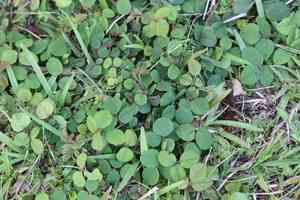
Distinguished by its diminutive violet blossoms and three-part leaves, sand ticktrefoil thrives with trimming in late winter or early spring. Eliminate deceased or compromised stalks to foster sound development and sculpt the plant. Concentrate on reducing crowded sections to improve air movement and light access. This stimulates abundant flowering and diminishes the likelihood of ailments. Employ sanitized, keen implements to prevent contamination and harm. Consistent trimming aids in preserving an appealing look and encourages prolific blooming in sand ticktrefoil.
Advantages of Trimming Sand Ticktrefoil
Advantages of Trimming Sand Ticktrefoil
Trimming sand ticktrefoil aids in managing its dimensions, form, and promotes robust development. It enhances air circulation, lowering disease susceptibility and improving overall look. Consistent trimming also fosters superior blooming and fruiting.
Optimal Period for Pruning Sand Ticktrefoil
Optimal Period for Pruning Sand Ticktrefoil
Pruning sand ticktrefoil during early spring or late winter aligns with its dormant phase, minimizing stress and encouraging healthy growth. These seasons are chosen because sand ticktrefoil is less likely to experience shock from pruning when it is not actively growing. Additionally, pruning before the onset of the growing season promotes vigorous new growth and enhances flowering or fruiting potential. It helps in maintaining the plant's structure and removing any damaged or diseased parts before they can impact the plant's health.
Required Tools for Pruning Sand Ticktrefoil
Hand Pruners
Hand pruners are perfect for trimming smaller stems and branches of sand ticktrefoil. They offer precision and control for more delicate pruning tasks.
Bypass Pruners
Bypass pruners are useful for making clean, precise cuts on living, green wood. They operate by allowing a curved blade to pass by a lower cutting blade or 'hook.'
Loppers
Loppers are suitable for cutting thicker branches that are too large for hand pruners but not large enough to require pruning saws. Their long handles provide greater leverage.
Pruning Saws
Pruning saws are necessary for cutting larger, woody stems or branches that cannot be managed by pruners or loppers. They are efficient and make clean cuts to help the plant heal properly.
Hedge Shears
Hedge shears are effective for shaping and trimming the plantâs broader areas, especially if sand ticktrefoil is grown in a dense formation.
How to Prune Sand Ticktrefoil
Inspection
Carefully examine sand ticktrefoil for any indications of diseased or withered leaves. Identify and mark these sections for removal.
Sanitization
Sanitize your pruning tools with a solution of one part bleach to nine parts water to prevent the spread of disease.
Cuts
Use sharp, clean pruning shears to cut away the diseased leaves and withered leaves. Make the cuts close to the base of each affected leaf without damaging the main stem.
Disposal
Immediately dispose of the removed diseased and withered leaves in a sealed bag to prevent any potential spread of disease or pest infestation.
Monitoring
Regularly monitor sand ticktrefoil for any further signs of disease or withering, and repeat the pruning process as needed to maintain plant health.
Common Pruning Errors with Sand Ticktrefoil
Over-pruning
Removing too much foliage can weaken sand ticktrefoil and inhibit its growth and flowering potential. Over-pruning also makes the plant more susceptible to pests and diseases.
Pruning at the wrong time
Pruning sand ticktrefoil when the plant is not dormant or during peak growing seasons can stress the plant and affect its health. Timing is crucial for minimizing damage and optimizing growth.
Improper cutting technique
Using dull or dirty tools can cause jagged cuts, which lead to infections and slow healing. Also, cutting too close to a bud or branch can damage it, while cutting too far away leaves unsightly stubs.
Neglecting sanitation
Failing to clean pruning tools between cuts or different plants can spread diseases. It's essential to sanitize tools to minimize the risk of contamination.
Ignoring plant structure
Not paying attention to the natural shape and growth pattern of sand ticktrefoil can result in an unattractive and unhealthy plant. Random cuts without considering the plantâs form can lead to poor growth and reduced flowering.
General Pruning Advice for Sand Ticktrefoil
Use sharp, clean tools
Always ensure your pruning tools are sharp and sanitized. Sharp blades make clean cuts that heal faster, reducing the risk of disease.
Focus on dead or damaged wood
Start by removing any dead, diseased, or damaged branches. This helps prevent the spread of disease and encourages healthy new growth.
Maintain the natural shape
Prune sand ticktrefoil by following its natural form. Make cuts that maintain the plantâs structure and enhance its natural beauty.
Make clean cuts
Cut just above a bud or branch junction, leaving no stubs. This encourages proper healing and promotes new, healthy growth.
Thin out overcrowded areas
Remove some inner branches to improve air circulation and light penetration. This helps reduce the risk of fungal infections and supports better overall health.
Prune lightly and regularly
Avoid heavy pruning in one go. Instead, prune lightly and more frequently to keep the plant healthy and manageable without causing shock.



