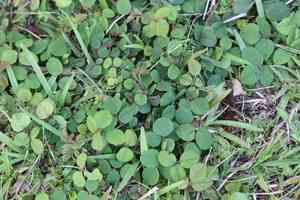
Sand ticktrefoil (Desmodium lineatum)
Also known as: Ticktrefoil, Beggar's lice
Sand ticktrefoil is a hardy perennial that prefers well-drained, sandy or loamy soils in areas with plenty of sunlight. Characterized by its linear leaves and delicate purple flowers, it flourishes in temperate climates. This plant is commonly found in meadows and open woodlands, where it contributes to the understory and attracts various pollinators.
In This Article
Attributes of Sand ticktrefoil
Lifespan
Perennial
Plant Type
Herb
Plant Height
0.5 to 1 meter
Spread
0.5 to 1 meter
Leaf Color
Green
Flower Size
1 to 2 cm
Flower Color
Pink to purple
Images of Sand ticktrefoil
Quickly Identify Sand ticktrefoil
1
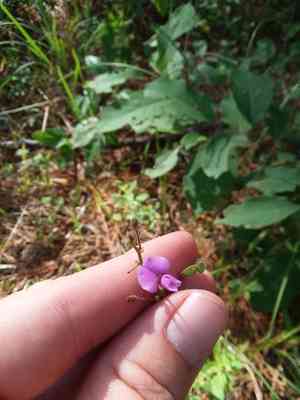
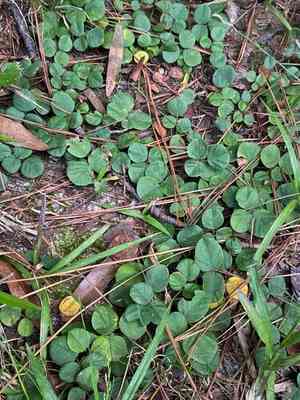
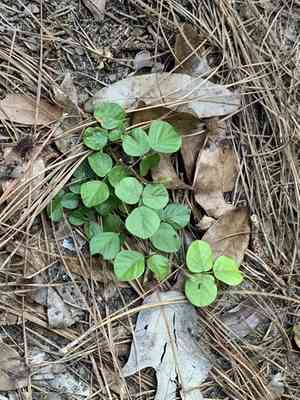
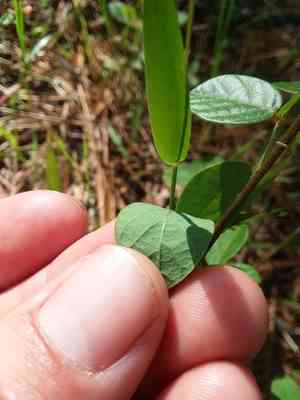
Identification of Desmodium lineatum can be facilitated by noting its trifoliate leaves, pink to purple pea-like flowers, and adhesive seeds that cling to clothing. The stems are often hairy and can grow in a sprawling habit.
Scientific Classification of Sand ticktrefoil
Phylum
Vascular plants
Class
Dicotyledons
Order
Fabales
Family
Legume
Genus
Tick clover
Species
Sand ticktrefoil
Planting and Growing of Sand ticktrefoil
Care Difficulty
Moderate
Watering Schedule
Every 3 days
Sunlight Requirements
Partial sun
Sunshine Duration
4-6 hours
Ideal Temperature
64-77℉
Soil Type
Potting Mix, Peat Mix
Soil pH
6.5-7.5
Fertilizer Type
Balanced
Pruning Season
Spring, Summer
Pruning Area
Branches, Leaves
Pruning Frequency
2 times a year
Repotting Season
Spring
Pot Type
Plastic, Ceramic
 How to Water Sand ticktrefoil?
Desmodium lineatum prefers a moderate watering regimen. This amounts to approximately 500 milliliters per session. The aim is to keep the soil moderately moist but not waterlogged. It's crucial to adjust the amount according to the plant's specific needs, ensuring water reaches the root zone without pooling excessively.
What are the symptoms of an underwatered Sand ticktrefoil?
›
What should I do if my Sand ticktrefoil is not getting enough water?
›
What are the symptoms of an overwatered Sand ticktrefoil?
›
How to save an overwatered Sand ticktrefoil?
›
 What Are the Sunlight Requirements for Sand ticktrefoil?
Partial sun conditions ideally support Desmodium lineatum's growth, providing energizing light without the risk of damage. Proper light conditions promote balanced growth, ensuring sustainable photosynthesis and robust plant development.
How much sunlight does it need?
›
How to achieve ideal lighting for Desmodium lineatum?
›
What benefits does ideal lighting provide?
›
 What Is the Ideal Temperature Range for Sand ticktrefoil?
The ideal temperature range for growing Desmodium lineatum is between 64°F and 77°F. These temperatures provide a balanced environment for optimal metabolic activities, ensuring the plant's growth processes occur without stress. Keeping temperatures within this range helps in maintaining steady growth and reducing stress-induced problems.
 What Soil is Best for Sand ticktrefoil?
Desmodium lineatum thrives in nutrient-rich soil, which provides the necessary vitamins and minerals for robust growth and prolific flowering. Ensuring a steady supply of organic matter, like compost, can significantly boost soil fertility. This plant prefers well-drained soil to prevent root rot and other water-related issues. Incorporating sand or fine gravel can enhance drainage, promoting healthier root systems and overall plant vitality. While Desmodium lineatum tolerates dry conditions, having soil that retains moderate moisture ensures consistent nutrient uptake and reduces stress during dry spells, thus fostering continuous growth.
 How to Fertilize Sand ticktrefoil?
To ensure optimal growth of Desmodium lineatum, apply fertilizers carefully. Use a balanced liquid fertilizer, diluted to one-quarter strength, about 2 liters per application for medium-sized plants. For slow-release fertilizers, sprinkle about 50 grams around the plant's base and water it in thoroughly.
 How to Prune Sand ticktrefoil?
Start by identifying the dead or damaged stems, which can hinder overall growth. Trim these back to the base of the plant to promote healthier development. For shaping, focus on leggy or overgrown areas, carefully cutting back to an outward-facing bud. This technique not only maintains the plant's aesthetic but encourages bushier growth and more uniform flowering.
More About Pruning Techniques→
 How to Propagate Sand ticktrefoil plant?
1
Collect fresh seeds from healthy Desmodium lineatum plants. Clean the seeds thoroughly to remove any pulp or debris. Soak the seeds overnight in water to improve germination rates.
2
Choose healthy stems from the plant and cut about 10-15 cm sections using sterilized pruning shears. Ensure that each cutting has at least two nodes, as these are critical for root development.
3
Insert the cuttings into a well-draining potting mix, ensuring nodes are beneath the soil surface. Water thoroughly after planting and place the pot in a warm, bright location but away from direct sunlight.
 How to Repot Sand ticktrefoil plant?
1
Desmodium lineatum typically needs repotting when its roots outgrow the current pot or the soil becomes compacted and drains poorly. This usually shows as reduced growth and wilting leaves. Spring or early summer is ideal, as the plant is actively growing, providing the best conditions for recovery after repotting.
2
Select a pot that's 1-2 inches larger in diameter than the current one to accommodate growth but avoid too much extra space, which can hold excess moisture and lead to root rot. A pot with drainage holes is essential to ensure proper water release, maintaining root health.
3
A well-draining loamy mix rich in organic matter is ideal for Desmodium lineatum. This type of soil allows for adequate air circulation and moisture retention, providing a balanced environment that supports healthy root development and prevents waterlogging.



