How to Prune Petersen's-spleenwort?
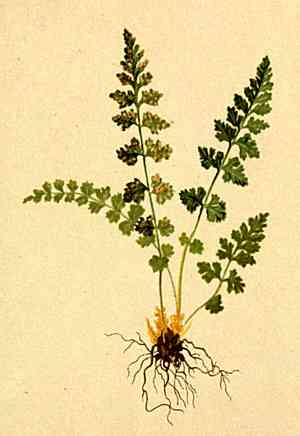
A fern featuring graceful leaves, petersen's-spleenwort needs very little trimming, primarily to eliminate withered or compromised fronds. This practice fosters robust development and preserves its visual appeal. Perform pruning in Spring or Summer, aligning with the plant's active growth period. Removing older foliage before new shoots appear can deter illness and enhance air movement. Discard the trimmed material to maintain a neat environment and guarantee peak plant well-being.
Advantages of Trimming Petersen's-spleenwort
Advantages of Trimming Petersen's-spleenwort
Trimming petersen's-spleenwort promotes vigorous development and helps maintain its desired form. Routine removal of dead or weak fronds encourages a lush, healthy look and prevents overcrowding, which can hinder its vitality.
Optimal Period for Pruning Petersen's-spleenwort
Optimal Period for Pruning Petersen's-spleenwort
Spring is ideal for pruning petersen's-spleenwort as it marks the end of dormancy and the start of active growth, allowing the plant to recover quickly and direct energy into new development. Early Summer pruning aligns with the completion of the initial growth spurt, enabling shaping and maintenance cuts without disrupting the growth cycle. This timing prevents stress during the hotter, drier parts of summer, which can impact the plant's health. Avoiding pruning during flowering or fruiting periods ensures that the plant's reproductive success is not jeopardized.
Tools Required for Pruning Petersen's-spleenwort
Hand Pruners
Excellent for making precise cuts on petersen's-spleenwort due to their size and control. Perfect for removing dead fronds and trimming smaller growth.
Pruning Shears
Useful for making clean cuts on petersen's-spleenwort without damaging the fronds. These are typically used for cutting through soft, fleshy stems.
Gardening Gloves
Essential for protecting the hands while handling petersen's-spleenwort, as the fronds can be delicate and the gardener needs to avoid damaging them during pruning.
How to Prune Petersen's-spleenwort
Preparation
Gather a pair of sharp, disinfected pruning shears and wear protective gloves before starting the pruning process to ensure clean cuts and to protect your hands.
Inspect
Examine petersen's-spleenwort thoroughly to identify diseased leaves, withered leaves, and any diseased stems. Look for signs of discoloration, spots, or abnormal growths as indicators of unhealthy parts.
TrimDiseasedLeaves
Carefully remove diseased leaves by cutting them at the base where they meet the stem. Ensure to make clean cuts to avoid damaging healthy parts of petersen's-spleenwort.
TrimWitheredLeaves
Prune withered leaves by cutting at the base to promote healthy growth and improve air circulation around petersen's-spleenwort, which can help prevent disease.
TrimDiseasedStems
Cut back any diseased stems to the point of healthy tissue, ensuring not to leave any diseased portions which could lead to further infection.
Common Pruning Errors with Petersen's-spleenwort
Over-pruning
Excessively removing foliage can stress petersen's-spleenwort, leading to weakened growth and reduced vigor. Aim for a balanced approach, pruning only what is necessary.
Improper cutting
Making cuts too close to the crown or main stems can damage the plant. Ensure cuts are made at the appropriate place to avoid harming petersen's-spleenwort.
Neglecting dead fronds
Failing to remove dead or diseased fronds can inhibit new growth and potentially spread disease throughout petersen's-spleenwort. Regularly check and prune away unhealthy fronds.
Pruning for size
Petersen's-spleenwort is naturally a small to medium-sized fern. Attempting to prune to significantly alter its size or shape can lead to an unhealthy and unattractive plant.
Ignoring plant health
Pruning without considering the plant's overall health can further weaken petersen's-spleenwort. Assess the plant's vigor before proceeding with pruning.
General Pruning Advice for Petersen's-spleenwort
Clean tools
Always use sanitized, sharp pruning tools. This helps prevent the spread of diseases and makes cleaner cuts that heal faster on petersen's-spleenwort.
Selective pruning
Carefully select the fronds to prune, focusing on removing only old, dead, or diseased foliage. This approach encourages healthy growth and maintains the plant's natural shape.
Post-pruning care
After pruning petersen's-spleenwort, ensure proper care by maintaining appropriate moisture levels and providing a balanced fertilizer, if necessary, to support recovery and new growth.
Gentle handling
Petersen's-spleenwort has delicate fronds, so handle the plant gently during pruning to avoid unnecessary damage to the remaining healthy foliage.



