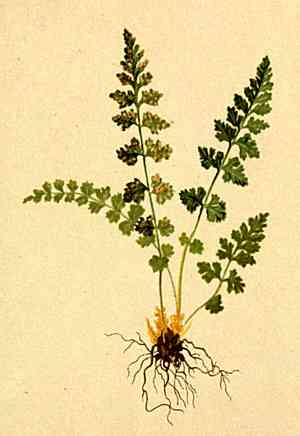
Petersen's-spleenwort (Deparia petersenii)
Also known as: Japanese lady fern
Petersen's spleenwort (Deparia petersenii) is an attractive fern often used in shaded garden settings. However, it has the potential to become invasive if it spreads beyond cultivated areas through its spores. This species can outcompete native plants, leading to reduced biodiversity. Additionally, its fast-growing rhizomes can cause physical damage, such as harming limestone flooring tiles. Effective management is essential to mitigate these risks.
In This Article
Attributes of Petersen's-spleenwort
Lifespan
Perennial
Plant Type
Herb
Plant Height
30 cm to 61 cm
Spread
30 cm to 45 cm
Leaf Color
Green, sometimes with a slight gloss
Flower Size
Ferns do not produce flowers
Flower Color
Ferns do not produce flowers
Images of Petersen's-spleenwort
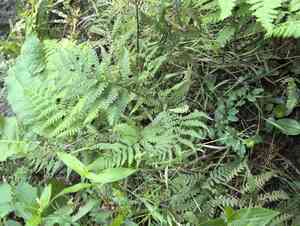
Quickly Identify Petersen's-spleenwort
1
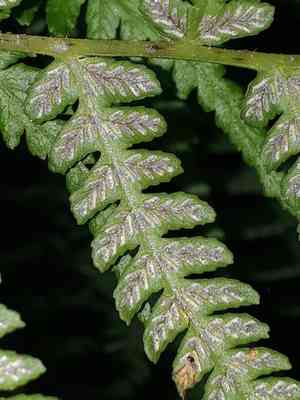
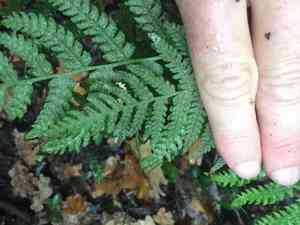
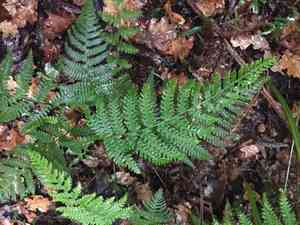
Deparia petersenii can be identified by its pinnately compound leaves, which are typically broad and semi-erect. The fronds have a slightly leathery texture, and sori (spore-producing structures) are usually found on the underside of the leaves.
Scientific Classification of Petersen's-spleenwort
Phylum
Vascular plants
Class
Ferns
Order
Polypodiales
Family
Ladyferns and allies
Genus
False spleenworts
Species
Petersen's-spleenwort
Planting and Growing of Petersen's-spleenwort
Care Difficulty
Easy
Watering Schedule
Every 2 days
Sunlight Requirements
Partial sun
Sunshine Duration
6-10 hours
Ideal Temperature
65-75℉
Soil Type
Potting Mix, Peat Mix
Soil pH
6.5-7.5
Fertilizer Type
Balanced
Pruning Season
Spring, Summer
Pruning Area
Branches, Leaves
Pruning Frequency
2 times a year
Repotting Season
Spring
Pot Type
Plastic, Ceramic
 How to Water Petersen's-spleenwort?
Deparia petersenii is a fern that appreciates consistently moist but not waterlogged soil. The general rule of thumb is to water it with about 500 milliliters each time. This ensures the soil remains evenly moist, akin to a wrung-out sponge, without drenching it and causing root rot. Always check the top inch of the soil; it should be slightly moist before the next watering session.
What are the symptoms of an underwatered Petersen's-spleenwort?
›
What should I do if my Petersen's-spleenwort is not getting enough water?
›
What are the symptoms of an overwatered Petersen's-spleenwort?
›
How to save an overwatered Petersen's-spleenwort?
›
 What Are the Sunlight Requirements for Petersen's-spleenwort?
Partial sun to full shade is ideal, as it allows Deparia petersenii to experience moderate light levels. This range fosters healthy leaf color and prevents stress-induced wilting or discoloration.
More About Sunlight Requirements Techniques→
What is the best lighting condition for Deparia petersenii?
›
How can we achieve ideal lighting for Deparia petersenii?
›
What are the benefits of ideal lighting for Deparia petersenii?
›
 What Is the Ideal Temperature Range for Petersen's-spleenwort?
For optimal growth, Deparia petersenii thrives best in temperatures ranging from 65°F to 75°F. This range ensures that the plant can photosynthesize effectively while maintaining its growth rate. Keeping the plant within these temperatures also helps in preventing common temperature-related stress symptoms.
 What Soil is Best for Petersen's-spleenwort?
Deparia petersenii thrives in well-drained soils, which prevent root rot by allowing excess water to seep away. This helps in maintaining the right moisture balance essential for the plant's growth and survival. This fern prefers nutrient-rich soils, which provide essential minerals and nutrients for its vibrant fronds. Fertile soil enhances the plant's growth, leading to lush, healthy foliage. The soil should retain adequate moisture as these ferns thrive in consistently damp conditions. Moisture retention ensures the plant's cellular functions work optimally, supporting overall health and development.
 How to Fertilize Petersen's-spleenwort?
For Deparia petersenii, use a balanced 20-20-20 liquid fertilizer diluted to half strength. For solid fertilizer, a slow-release type with balanced nutrients N-P-K ratio (10-10-10) is often optimal. Apply liquid fertilizer using about 100 ml per plant, and use granular fertilizer at a rate of 50 grams per square meter.
 How to Prune Petersen's-spleenwort?
Before you begin pruning, ensure you have the right tools such as clean, sharp scissors or pruning shears. This helps to make precise cuts and prevents damage to the delicate fronds. Always disinfect your tools before use to avoid spreading disease. Inspect the plant carefully to identify dead, yellowing, or damaged fronds. These should be prioritized for removal to allow healthier fronds to receive adequate nutrients and light. Removing these also improves air circulation within the plant. When you identify a frond for removal, make your cuts near the base of the stem without damaging the fern's root structure. It's important to cut cleanly to promote better healing and prevent attracting pests to ragged wounds.
More About Pruning Techniques→
 How to Propagate Petersen's-spleenwort plant?
1
Start by carefully digging around the base of Deparia petersenii with a garden spade. Ensure that you dig deep enough to lift the entire root clump from the soil. Avoid damaging the roots during this process, as healthy roots are critical for successful propagation.
2
Once the plant is lifted, use your hands or a sharp spade to divide the root clump into smaller sections. Each section should have a healthy root system and a few fronds. The divisions should be made with as little damage as possible to the roots and shoots.
3
Prepare the planting sites by digging holes slightly larger than the divided clumps. Place each division into its new spot, ensuring the roots are well spread out. Cover with soil, firming gently around the base to remove air pockets, and water thoroughly.
 How to Repot Petersen's-spleenwort plant?
1
For Deparia petersenii, repotting is needed when the roots start circling the surface, indicating they have outgrown their current pot. Another signal is when the plant shows slower growth despite proper care. Ideal repotting time is during the growing seasons of spring or early summer, when the plant can quickly recover and adapt to its new environment.
2
Selecting the right pot for Deparia petersenii is crucial. Opt for a container that is a few inches larger in diameter than the current one to allow room for growth. It’s best if the pot has drainage holes, which prevent waterlogging—a common issue leading to root rot. The right pot provides stability and ample space, ensuring healthy root development and plant stability.
3
Deparia petersenii thrives in a moist, well-draining soil mix. A mixture containing loam, peat, and perlite provides the best conditions by retaining moisture while allowing excess water to drain. This balance prevents root rot and provides essential nutrients for growth, keeping the fern lush and vibrant.



