How to Prune Catalina tarweed?
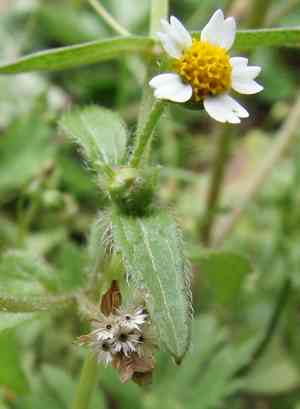
The Catalina tarweed is prized for its vivid yellow blossoms and fragrant leaves. To preserve its vitality and aesthetic, trim it in early spring or late winter prior to the emergence of new shoots. Concentrate on excising deceased, injured, or ailing stalks, and reduce crowded sections to improve air circulation. Endeavor to sculpt the plant without over-pruning to foster abundant blooming. Trimming during these periods aids in stimulating development and averts potential diseases, guaranteeing a flourishing, shapely specimen.
What Are the Benefits of Pruning Catalina Tarweed?
What Are the Benefits of Pruning Catalina Tarweed?
Pruning catalina tarweed encourages vigorous growth and helps maintain an appealing form. It improves air circulation, lessens disease risk, and stimulates robust new shoots. By managing its size and shape, the plant stays manageable and aesthetically pleasing.
What Is the Best Time for Pruning Catalina Tarweed?
What Is the Best Time for Pruning Catalina Tarweed?
The optimal time for pruning catalina tarweed is during early spring and late winter, as the plant is dormant then. Pruning at this stage minimizes stress and promotes healthy new growth for the upcoming season. Early spring and late winter pruning also aids in removing any dead or damaged branches from colder months, preventing disease and pest issues. This timing ensures the plant has maximum energy for growth and flowering once its active period begins.
What Tools Do I Need to Prune Catalina Tarweed?
Bypass Pruners
These are perfect for making precise cuts to maintain the shape and health of shrubs like catalina tarweed. They create clean cuts, which helps reduce the chance of infection.
Hand Pruning Shears
Essential for the small, delicate branches often found on catalina tarweed. Their agility and sharpness make them ideal for detailed pruning tasks.
Pruning Saw
Useful for thicker, woodier stems if catalina tarweed develops more robust branches. Its design allows for efficient cutting through denser plant material without causing excessive harm.
Long-Reach Pruners
Helpful for accessing higher or deeper branches without straining, ensuring even the less reachable parts of catalina tarweed can be properly maintained.
How to Prune Catalina Tarweed
Inspection
Examine catalina tarweed for any indications of diseased or withered foliage. Early detection is crucial for preventing disease spread.
Sterilize tools
Before beginning the pruning process, sanitize pruning shears or scissors with a solution of one part bleach to ten parts water to prevent pathogen transmission.
Remove diseased leaves
Carefully trim off any leaves showing signs of illness. Cut at a slight angle to encourage water runoff and prevent further infection.
Remove withered leaves
Prune away any dried or dead leaves. Ensure to cut close to the stem without harming the main part of catalina tarweed to maintain its overall vitality.
Disposal
Dispose of the trimmed diseased and withered leaves by sealing them in a bag and discarding them in the trash to prevent any potential disease spread.
Common Pruning Mistakes with Catalina Tarweed
Over-pruning
Gardeners frequently remove too much of the plant, which can result in weakened growth and fewer blooms. Catalina tarweed should not be pruned too aggressively.
Improper Technique
Using dull or unsuitable tools can create jagged cuts that attract disease and pests. Sharp, clean pruning shears are essential.
Incorrect Timing
Pruning at the wrong time, such as during the active growing season, can stress catalina tarweed, hindering its ability to flower properly.
Neglecting Sanitation
Not cleaning tools before and after pruning can spread diseases. Proper sanitation is vital for maintaining plant health.
Ignoring Plant Health
Failing to consider the overall health of catalina tarweed when pruning can lead to further stress and potential decline.
Common Pruning Tips for Catalina Tarweed
Use Sharp, Clean Tools
Ensure your pruning tools are sharp and clean to make precise cuts that heal quickly and minimize disease risk.
Prune Selectively
Focus on removing dead, damaged, or diseased branches to encourage healthy growth. Avoid excessive pruning of healthy branches.
Maintain Air Circulation
Trim crowded areas to improve air circulation within catalina tarweed, which helps prevent fungal diseases and promotes overall plant health.
Cut at an Angle
Make cuts at a 45-degree angle away from the bud. This helps direct water away from the cut, reducing the risk of rot.
Monitor Plant Response
Observe how catalina tarweed reacts to pruning and adjust your techniques accordingly. Every plant can respond differently, so be attentive to how it regrows.


