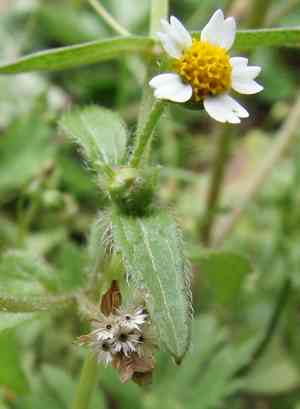
Catalina tarweed (Deinandra clementina)
Also known as: Island Tarweed
Catalina tarweed (*Deinandra clementina*) is a hardy plant, thriving in dry, open areas with abundant sunlight. It is recognized by its bright yellow flowers and distinctive bristly phyllaries. This resilient herb blooms mainly during the summer, with deep roots that allow it to endure dry periods. Native to Santa Catalina Island in California, it prefers rocky slopes and coastal sage scrub habitats, showcasing its adaptability to tough environmental conditions.
In This Article
Attributes of Catalina tarweed
Lifespan
Perennial
Plant Type
Herb
Plant Height
1 to 3 feet
Spread
Not typically measured
Leaf Color
Green
Flower Size
Approximately 1 cm
Flower Color
Yellow
Images of Catalina tarweed
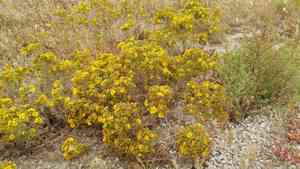
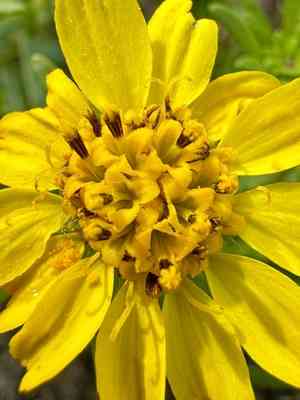
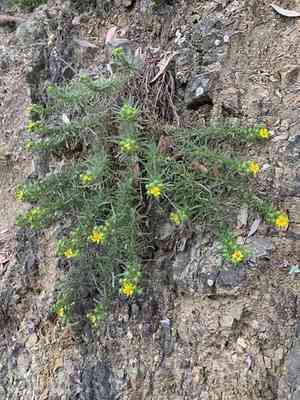
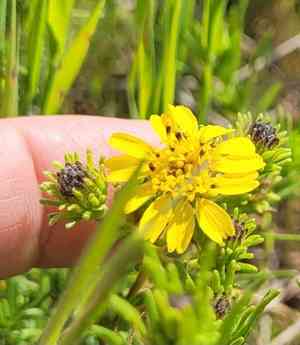
Quickly Identify Catalina tarweed
1
Look for its slender, branched stems and clusters of yellow flowers. The plant typically has a distinct odor.
Scientific Classification of Catalina tarweed
Phylum
Vascular plants
Class
Dicotyledons
Order
Asterales
Family
Daisy
Genus
Otay tarplant
Species
Catalina tarweed
Planting and Growing of Catalina tarweed
Care Difficulty
Moderate
Watering Schedule
Every 2 days
Sunlight Requirements
Full sun
Sunshine Duration
10-14 hours
Ideal Temperature
60-75℉
Soil Type
Potting Mix, Peat Mix
Soil pH
6.5-7.5
Fertilizer Type
Balanced
Pruning Season
Spring, Summer
Pruning Area
Branches, Leaves
Pruning Frequency
2 times a year
Repotting Season
Spring
Pot Type
Plastic, Ceramic
 How to Water Catalina tarweed?
Deinandra clementina prefers a watering that mimics a gentle rainfall, deeply soaking the soil each time. Around 200 ml of water should be applied to ensure that the entire root zone is moist but not waterlogged. It's essential to make sure the water penetrates well to encourage deeper root growth.
What are the symptoms of an underwatered Catalina tarweed?
›
What should I do if my Catalina tarweed is not getting enough water?
›
What are the symptoms of an overwatered Catalina tarweed?
›
How to save an overwatered Catalina tarweed?
›
 What Are the Sunlight Requirements for Catalina tarweed?
Deinandra clementina's ideal light range is partial to full sun. Receiving this ensures vigorous growth, well-supported structural integrity, and maximum flowering potential. Adequate lighting improves overall plant vigor, ensuring it can withstand moderate environmental challenges.
What is the best light condition for Deinandra clementina?
›
How can I achieve ideal lighting for Deinandra clementina?
›
What are the benefits of providing ideal lighting?
›
 What Is the Ideal Temperature Range for Catalina tarweed?
The ideal temperature range for growing Deinandra clementina is between 60°F and 75°F. This range ensures optimal growth and flower production. Temperatures within this range aid in maintaining the plant's metabolic activities effectively, enabling photosynthesis and other physiological processes to occur efficiently.
 What Soil is Best for Catalina tarweed?
Deinandra clementina thrives in well-drained soils, which prevent waterlogging and root rot. This soil type ensures that the roots receive adequate oxygen, promoting healthy growth and vibrant blooms. Moderately nutrient-rich soils provide Deinandra clementina with essential nutrients without the risk of nutrient burn. This facilitates balanced growth and supports the plant's natural blooming cycle. Soils that maintain a balance between moisture retention and drainage are ideal for Deinandra clementina, providing consistent hydration without water stagnation, which is critical for plant health.
 How to Fertilize Catalina tarweed?
For Deinandra clementina, use a balanced fertilizer with an NPK ratio of 10-10-10. For liquid fertilizer, dilute according to the instructions, typically one teaspoon per gallon of water. For slow-release granules, apply about 1 ounce per square foot around the plant base.
 How to Prune Catalina tarweed?
Start by identifying and removing dead or yellowing branches. These branches no longer benefit the plant and can harbor pests or diseases. Next, focus on trimming for shape. Cut back any overly long or awkward branches to create a balanced and aesthetically pleasing form. Prune branches that are crowded or crisscrossing. This will enhance airflow within the plant, reducing humidity and the likelihood of fungal issues.
More About Pruning Techniques→
 How to Propagate Catalina tarweed plant?
1
Collect ripe seeds from Deinandra clementina and clean them to remove any debris. Soak the seeds in water overnight to improve germination rates.
2
Fill seed trays with a well-draining potting mix. Sow seeds evenly across the surface and lightly cover with soil, ensuring they remain moist but not waterlogged.
3
Select healthy, mature branches for cuttings. Using sterilized tools, cut 5-7 cm sections below a node and remove the lower leaves before planting in moist soil.
 How to Repot Catalina tarweed plant?
1
Repotting Deinandra clementina is necessary when you notice roots starting to grow out of the drainage holes, suggesting that the plant has outgrown its current pot. Additionally, if you observe that the soil dries out too quickly after watering, or the plant appears stunted, it's likely time for a repotting session. Typically, the prime seasons for repotting are in early spring when the plant’s growth phase kicks off, ensuring it has ample energy to establish and acclimate well to its new environment.
2
Selecting the proper pot for Deinandra clementina is crucial. Opt for a pot that's 1-2 inches bigger in diameter than the current one; this provides adequate space for root expansion without the risk of root rot from excessive soil moisture. The pot material should preferably be ceramic or terracotta for better aeration. Adequate drainage holes are non-negotiable to prevent waterlogging, which can lead to root diseases and poor plant development.
3
For Deinandra clementina, a well-draining sandy soil is essential. This type of soil ensures that excess water easily escapes, thereby preventing root rot and promoting optimal root aeration. A blend that consists of equal parts of cactus mix and perlite can help achieve this. The sand-like texture of the soil mix facilitates excellent drainage while maintaining enough moisture to support plant health. This balance is crucial for the plant's growth and vigor.
Learn More About Catalina tarweed Diseases
Anthracnose
Bacterial Leaf Spot
Bacterial Soft Rot
Bacterial Wilt
Black Spot
Chemical Injury
Crown Gall
Cyst Nematode
Damping-off
Downy Mildew
Drought Stress
Fusarium Wilt
Gray Mold
Leaf Curl
Leaf Spot
Mosaic
Nutrient Deficiency
Nutrient Toxicity
Powdery Mildew
Root Rot
Root-knot Nematode
Rusts
Sooty Mold
Spider Mites
Temperature Stress
Thrips Damage
White Mold


