How to Prune Silky myrtle?
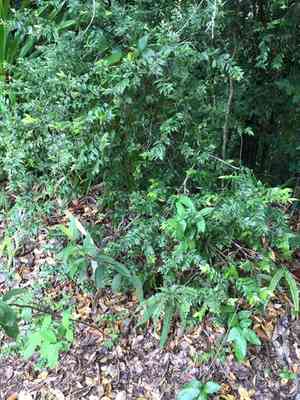
This perennial woody plant, known for its lustrous foliage and dainty white blossoms, thrives with judicious trimming to preserve its form and foster vigor. Perform pruning on silky myrtle during its dormant period in winter. Begin by excising any lifeless or ailing wood, then reduce congested limbs to improve light access and air movement. Cut back excessive growth to encourage a denser habit. Trimming silky myrtle not only manages its dimensions but can also incite blooming in the subsequent period. Always employ sanitized, keen implements to avert pathogens.
Advantages of Trimming Silky Myrtle
Advantages of Trimming Silky Myrtle
Silky myrtle benefits from trimming primarily by maintaining a vigorous growth pattern and ensuring a well-kept shape. Strategic cuts help stimulate new growth, while also aiding in the control of the plant's size for aesthetic and spatial reasons.
Optimal Period for Pruning Silky Myrtle
Optimal Period for Pruning Silky Myrtle
Pruning silky myrtle during late winter is optimal because it aligns with the end of the plant's dormancy period, just before the onset of the spring growth cycle. This timing ensures that pruning cuts will heal quickly once growth resumes, minimizing stress and the risk of disease. Additionally, the absence of leaves allows for a clearer view of the plantâs structure, enabling more precise cuts. Pruning at this time avoids disrupting the spring and summer blooming and allows the plant to focus on producing new growth and flowers in the upcoming season. It also aids in maintaining the plant's health by removing any damaged or diseased branches before active growth begins.
Essential Tools for Pruning Silky Myrtle
Hand Pruners
Ideal for cutting thin stems and branches up to ¾ inches in diameter. Silky myrtle typically requires selective thinning to maintain shape and promote healthy growth, and hand pruners provide a clean and precise cut.
Loppers
Best for trimming thicker branches that are 1 to 2 inches in diameter. For silky myrtle, which may develop robust stems as it matures, loppers offer the leverage necessary to make clean cuts without damaging the plant.
Pruning Saw
Useful for removing branches over 2 inches thick. Silky myrtle may occasionally need rejuvenation or removal of large, mature stems. A pruning saw will handle these tasks efficiently without causing unnecessary strain to the plant.
Hedge Shears
Appropriate for shaping and trimming hedges or dense foliage. If silky myrtle is being used as a hedge or requires a formal shape, hedge shears allow for quick and even trimming of multiple stems at once.
How to Prune Silky Myrtle
Clean tools
Before pruning silky myrtle, sterilize pruning tools using isopropyl alcohol or a 10% bleach solution to prevent the spread of disease.
Dead branches
Remove dead branches from silky myrtle by cutting them at the point where they meet healthy wood. Make the cuts just outside the branch collar to promote proper healing.
Diseased branches
Identify and trim away diseased branches from silky myrtle, ensuring to remove the entire affected area. Cut well into the healthy tissue to remove all traces of disease.
Disposal
Dispose of the removed dead and diseased branches properly, away from healthy plants, to prevent the transmission of any potential pathogens.
Cleanup
After pruning silky myrtle, clean up all the debris from the area to maintain good sanitation, and re-sterilize the tools ready for the next use.
Common Pruning Mistakes with Silky Myrtle
Over-pruning
Removing too much foliage from silky myrtle, which can stress the plant and lead to weak growth or reduce its ability to photosynthesize efficiently.
Improper cutting technique
Making cuts that are either too close to the main stem or leaving too much of a stub, which can lead to disease entry or poor healing.
Not disinfecting tools
Failing to disinfect pruning tools between cuts and plants, which can spread diseases to healthy parts of silky myrtle or to other plants.
Pruning for shape alone
Focusing solely on shaping silky myrtle while neglecting the health and natural growth pattern of the plant, leading to an unnatural appearance and potential harm.
Ignoring dead or diseased wood
Overlooking the removal of dead or diseased wood, which can harm silky myrtle's health and vigor, as diseased branches can harbour pests and diseases.
Common Pruning Tips for Silky Myrtle
Sharp and clean tools
Always use sharp, clean pruning shears to make clean cuts on silky myrtle, reducing the risk of diseases and ensuring quick healing.
Following natural form
Prune silky myrtle in a way that maintains its natural shape, removing selective branches to enhance its structure without over-modifying its inherent growth habit.
Thinning over trimming
Opt for thinning out crowded branches over sheer trimming, which promotes better air circulation and light penetration, encouraging a healthier and more robust silky myrtle.
Gradual rejuvenation
If rejuvenation of an overgrown silky myrtle is required, do it gradually over several seasons to avoid shocking the plant, which ensures sustained health and growth.
Cleaning up the base
Keep the area around the base of silky myrtle clear of pruned material to prevent it from becoming a breeding ground for pests and diseases.



