
Silky myrtle (Decaspermum parviflorum)
Also known as: Small-Flowered Decaspermum, Dainty Myrtle
Silky myrtle is a woody shrub or tree that offers food for Asian Elephants and birds, which eat its fruits. Unlike other tropical plants with similar reproductive traits, the primary food source for its pollinators is its pollen.
In This Article
Attributes of Silky myrtle
Lifespan
Perennial
Plant Type
Tree, Shrub
Plant Height
25 m
Spread
2-5 meters
Leaf Color
Dark green
Flower Size
0.5-1 cm
Flower Color
Pink Purple
Images of Silky myrtle
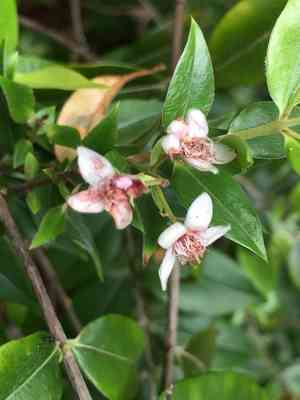
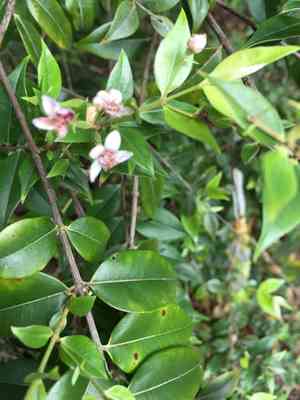
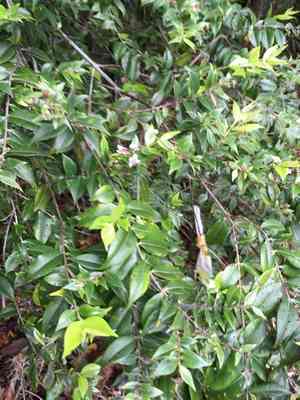
Quickly Identify Silky myrtle
1
To identify Decaspermum parviflorum, look for small white or cream flowers, lanceolate to elliptic leaves that are glossy and dark green on top, and small, round, black or dark purple fruits.
Scientific Classification of Silky myrtle
Phylum
Vascular plants
Class
Dicotyledons
Order
Myrtales
Family
Myrtle
Genus
Decaspermum
Species
Silky myrtle
Planting and Growing of Silky myrtle
Care Difficulty
Easy
Watering Schedule
Every 2 days
Sunlight Requirements
Partial sun
Sunshine Duration
6-10 hours
Ideal Temperature
70-85℉
Soil Type
Potting Mix, Peat Mix
Soil pH
6.5-7.5
Fertilizer Type
Balanced
Pruning Season
Spring, Summer
Pruning Area
Branches, Leaves
Pruning Frequency
2 times a year
Repotting Season
Spring
Pot Type
Ceramic, Plastic
 How to Water Silky myrtle?
For Decaspermum parviflorum, the optimal watering volume is around 500 ml per session. Ensure the soil is evenly moist but not waterlogged. Water until the topsoil feels slightly damp and excess water begins to drain from the pot's bottom.
What are the symptoms of an underwatered Silky myrtle?
›
What should I do if my Silky myrtle is not getting enough water?
›
What are the symptoms of an overwatered Silky myrtle?
›
How to save an overwatered Silky myrtle?
›
 What Are the Sunlight Requirements for Silky myrtle?
Decaspermum parviflorum prefers partial sunlight conditions. Ideal lighting promotes vigorous growth, attractive foliage, and good health, mirroring its tropical forest origins.
What kind of sunlight does Decaspermum parviflorum need?
›
How can I ensure optimal sunlight for Decaspermum parviflorum?
›
What are the benefits of providing ideal light for Decaspermum parviflorum?
›
 What Is the Ideal Temperature Range for Silky myrtle?
The ideal temperature range for Decaspermum parviflorum is between 70°F and 85°F. Maintaining this range ensures optimal growth and overall health of the plant. Temperatures within this range provide the necessary warmth for photosynthesis and other metabolic activities, leading to vibrant foliage and strong structural development.
 What Soil is Best for Silky myrtle?
Decaspermum parviflorum thrives in soil that retains moisture well, as it ensures the roots remain hydrated during dry spells. Loamy and sandy loam soils are excellent for this purpose, providing a balance of moisture and drainage that supports healthy growth. This plant benefits greatly from nutrient-rich soil, which provides essential minerals required for its growth and flowering. Using well-composted organic matter can enhance the soil fertility, supporting vibrant leaf and flower production. Proper soil aeration is vital for root health in Decaspermum parviflorum. Well-aerated soil prevents waterlogging and encourages robust root development, which in turn supports the overall health and vigor of the plant.
 How to Fertilize Silky myrtle?
Decaspermum parviflorum benefits from a balanced fertilizer. Generally, applying about half a teaspoon of liquid fertilizer per gallon of water should suffice. It's important to dilute the fertilizer properly to avoid root burn. Solid fertilizers should be used sparingly, with a handful scattered around the base of each plant every four months, ensuring the nutrients are released slowly and consistently.
 How to Prune Silky myrtle?
Before starting, familiarize yourself with Decaspermum parviflorum’s growth pattern. This understanding helps guide your pruning efforts, ensuring you trim in a manner that promotes healthy growth and maintains the plant’s natural beauty without cutting back more than necessary. Begin by removing any damaged or dead branches at their base. Next, identify and cut off any crossing branches that crowd the plant’s center. Use a cutting angle at 45 degrees, away from the bud, to help rainwater run off quickly, preventing rot. Always ensure your cuts are clean and precise. After pruning, step back and evaluate your work. Ensure that the plant has a balanced shape, with adequate space between branches. Gather and dispose of all trimmings to prevent disease spread. Regularly check your pruning tools, cleaning them after use to maintain sharpness and sterility.
More About Pruning Techniques→
 How to Propagate Silky myrtle plant?
1
Collect Decaspermum parviflorum seeds from ripe fruits. Clean them by removing any pulp, then soak them in water overnight to promote germination.
2
Fill a seed tray with a well-draining potting mix. Sow the seeds about half an inch deep and cover lightly with soil. Keep the soil consistently moist but not waterlogged.
3
Select healthy cuttings from a mature plant. Cut a 4-6 inch piece, just below a node. Remove the bottom leaves to expose nodes that can stimulate root growth.
 How to Repot Silky myrtle plant?
1
Decaspermum parviflorum needs repotting when you notice roots growing out of the drainage holes or the soil surface. Another signal is if water sits on top of the soil for too long, indicating compaction. Spring or early summer is ideal to repot because it provides the plant ample time to adapt to new soil and conditions before the growing season kicks in.
2
When selecting a pot for Decaspermum parviflorum, ensure it is one size larger than the current one, with effective drainage holes. A slightly larger pot provides the roots with space to grow without overwhelming them, preventing root rot. Materials like clay or terracotta are preferred as they promote air circulation and prevent waterlogging.
3
Opt for a well-draining, sandy soil mix that facilitates ample aeration and prevents root rot. Incorporating organic matter, such as compost or peat, helps retain necessary nutrients and moisture while maintaining proper drainage. This combination ensures appropriate nutrient lock and avoids water stagnation, essential for healthy growth.
Learn More About Silky myrtle Diseases
Anthracnose
Bacterial Leaf Spot
Bacterial Soft Rot
Bacterial Wilt
Black Spot
Chemical Injury
Crown Gall
Cyst Nematode
Damping-off
Downy Mildew
Drought Stress
Fusarium Wilt
Gray Mold
Leaf Curl
Leaf Spot
Mosaic
Nutrient Deficiency
Nutrient Toxicity
Powdery Mildew
Root Rot
Root-knot Nematode
Rusts
Sooty Mold
Spider Mites
Temperature Stress
Thrips Damage
White Mold



