How to Prune Black rabbit's foot fern?
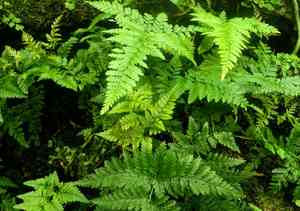
Distinguished by its deep, fuzzy rhizomes resembling a rabbit's foot, black rabbit's foot fern is a distinctive fern perfect for suspended containers and areas with limited sunlight. Trim by carefully detaching aged or discolored fronds near the base, taking care not to sever vibrant, healthy foliage. The most suitable period for trimming is from spring to early autumn, aligning with its periods of vigorous development. Consistent trimming improves air movement, discourages infestations, and boosts its aesthetic value. Always employ disinfected implements to prevent the spread of pathogens to black rabbit's foot fern.
What Are the Benefits of Pruning Black Rabbit's Foot Fern?
What Are the Benefits of Pruning Black Rabbit's Foot Fern?
For black rabbit's foot fern, trimming is vital for eliminating dead or unhealthy fronds, which promotes robust new development. Regularly shaping black rabbit's foot fern helps maintain its desired look, ensuring a compact and appealing display in your home or garden.
What Is the Best Time for Pruning Black Rabbit's Foot Fern?
What Is the Best Time for Pruning Black Rabbit's Foot Fern?
Trimming black rabbit's foot fern during Spring and Early Summer aligns with its post-dormancy phase, coinciding with the period when the plant resumes active growth, allowing it to recover and fill out after being pruned. Pruning in Spring helps remove any fronds damaged over winter and enables the plant to direct its energy towards producing fresh, healthy growth. Early Summer trimming can assist in shaping black rabbit's foot fern and maintaining its preferred size and appearance, as it is still within its rapid growth stage. Avoiding pruning in Fall allows black rabbit's foot fern to retain its full foliage, which is crucial for photosynthesis and energy storage in preparation for the dormant winter period, thereby sustaining the plant's overall health and vitality.
What Tools Do I Need to Prune Black Rabbit's Foot Fern?
Micro-Tip Snips
These small, precise cutting instruments are perfect for black rabbit's foot fern due to its delicate fronds and the necessity for targeted removal of dead or yellowing fronds. They enable accurate cuts without harming surrounding foliage.
Fine-Pruning Shears
Fine-pruning shears are excellent for black rabbit's foot fern as they provide sharp, clean cuts for larger fronds or to shape the plant without causing undue stress to the plant.
Sterilization Supplies (Isopropyl alcohol or bleach solution)
Keeping pruning tools clean is essential to prevent the transfer of diseases or pests to black rabbit's foot fern. Sterilization before and after use will help maintain black rabbit's foot fern's well-being.
Soft Cloth
A soft cloth can be used to gently wipe down the blades of the pruning tools after sterilization and to remove any plant debris or sap, ensuring clean cuts during the pruning process for black rabbit's foot fern.
How to Prune Black Rabbit's Foot Fern
Sanitize Tools
Before starting to prune black rabbit's foot fern, clean and sterilize your pruning tools. Use either a solution of one part bleach to nine parts water or rubbing alcohol. This prevents the spread of plant diseases during the pruning process.
Remove Diseased Leaves
Carefully trim away any diseased leaves from black rabbit's foot fern using the sterilized pruning tools. Make the cuts close to the base of the unwanted leaf, being careful not to damage healthy fronds.
Trim Withered Leaves
Cut off any withered leaves from black rabbit's foot fern, following the same process as for the diseased leaves. Trimming these helps redirect black rabbit's foot fern's energy to new growth and maintains its aesthetics.
Eliminate Dead Branches
Identify and remove any dead branches from black rabbit's foot fern, cutting them at the point where they meet healthy growth. This may occur at the soil line or at a junction with a living rhizome.
Cut Diseased Branches
Locate branches with signs of disease on black rabbit's foot fern and prune them back to healthy tissue. If the entire branch is affected, remove it entirely, using caution to avoid harming the rhizome or adjacent healthy branches.
Common Pruning Mistakes with Black Rabbit's Foot Fern
Over-Pruning
Removing too much foliage at once can stress black rabbit's foot fern, hindering its growth rather than promoting it. Aim to prune no more than one-third of the plant at any given time.
Pruning Healthy Fronds
Cutting back healthy, green fronds can reduce the plant's vigor. Focus on removing only the damaged or brown fronds to keep black rabbit's foot fern thriving.
Using Dull Tools
Utilizing dull pruning shears or tools can cause damage to the fronds and rhizomes of black rabbit's foot fern, leading to frayed edges and potential disease entry points.
Ignoring Rhizome Health
Overlooking the condition of the rhizomes while pruning can lead to accidental damage, as they are crucial to the health and propagation of black rabbit's foot fern.
Improper Technique
Incorrect cutting angles or locations can harm black rabbit's foot fern. It is essential to use accurate, clean cuts to avoid unnecessary stress on the plant.
Common Pruning Tips for Black Rabbit's Foot Fern
Sterilize Tools
Before pruning black rabbit's foot fern, always sterilize your cutting tools to prevent the spread of disease. Wipe blades with alcohol or a bleach solution.
Target Dead Fronds
Focus on removing dead or dying fronds close to the base to improve air circulation and encourage new growth in black rabbit's foot fern.
Preserve Furry Rhizomes
Take care not to damage the characteristic rhizomes of black rabbit's foot fern that resemble rabbit's feet. The rhizomes should be preserved as they are essential for the plant's charm and health.
Consider Plant Maturity
Young black rabbit's foot fern plants require less pruning compared to mature ones. Allow young plants to establish before any significant pruning.
Prune For Shape
To maintain the desired shape and size of black rabbit's foot fern, selectively prune the fronds that disrupt the aesthetics while ensuring the plant's overall health is not compromised.



