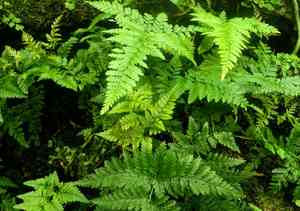
Black rabbit's foot fern (Davallia trichomanoides)
Also known as: Hare's Foot Fern, Squirrel's Foot Fern
Davallia trichomanoides, commonly referred to as the Squirrel's Foot Fern, is a member of the Davalliaceae family and native to Southeast Asia, including Malaysia. This fern typically reaches a height of 15 to 45 cm. It thrives in environments with partial to full shade and well-drained, organic-rich soil. Regular watering is beneficial, though it can tolerate periods of dryness.
In This Article
Attributes of Black rabbit's foot fern
Lifespan
Perennial
Plant Type
Herb
Plant Height
45 cm
Spread
30 cm
Leaf Color
Green
Flower Size
N/A
Flower Color
N/A
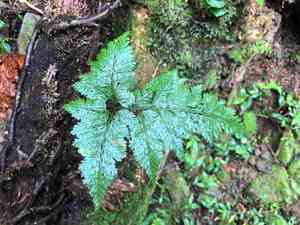
Images of Black rabbit's foot fern
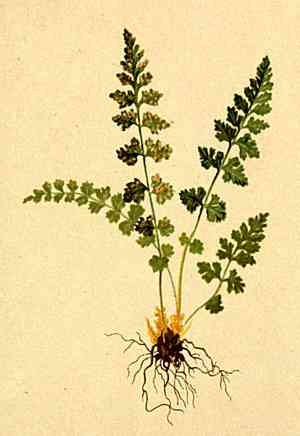
Quickly Identify Black rabbit's foot fern
1
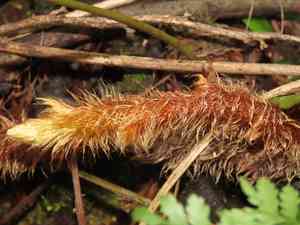
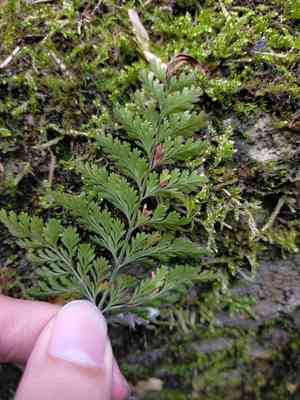
Look for the distinctive furry, creeping rhizomes that resemble animal claws. The fronds are finely divided and have a lacy texture.
Scientific Classification of Black rabbit's foot fern
Phylum
Vascular plants
Class
Ferns
Order
Polypodiales
Family
Hanging fern
Genus
Deersfoot ferns
Species
Black rabbit's foot fern
Planting and Growing of Black rabbit's foot fern
Care Difficulty
Easy
Watering Schedule
Every 2 days
Sunlight Requirements
Partial sun
Sunshine Duration
4-8 hours
Ideal Temperature
65-75℉
Soil Type
Potting Mix, Peat Mix
Soil pH
6.5-7.5
Fertilizer Type
Balanced
Pruning Season
Spring, Summer
Pruning Area
Branches, Leaves
Pruning Frequency
2 times a year
Repotting Season
Spring
Pot Type
Plastic, Ceramic
 How to Water Black rabbit's foot fern?
For Davallia trichomanoides, watering should be done until the soil is evenly moist but not waterlogged. This usually means about 250 ml per session, ensuring the soil is moist to the touch yet drains well. It's important to avoid over-saturating as excess water can lead to root rot.
What are the symptoms of an underwatered Black rabbit's foot fern?
›
What should I do if my Black rabbit's foot fern is not getting enough water?
›
What are the symptoms of an overwatered Black rabbit's foot fern?
›
How to save an overwatered Black rabbit's foot fern?
›
 What Are the Sunlight Requirements for Black rabbit's foot fern?
Partial sun exposure for 3 to 5 hours ensures the plant gets enough light for photosynthesis. Ideal lighting promotes photosynthesis, fosters lush foliage, and prevents etiolation.
More About Sunlight Requirements Techniques→
What is the ideal type of sunlight for Davallia trichomanoides?
›
How can I obtain ideal light conditions for this plant?
›
What benefits can the plant gain from ideal light conditions?
›
 What Is the Ideal Temperature Range for Black rabbit's foot fern?
For Davallia trichomanoides, the ideal temperature range is crucial for healthy growth, promoting optimal metabolic processes. Maintaining a stable environment between 65°F to 75°F helps prevent temperature-induced stress and encourages robust foliage.
 What Soil is Best for Black rabbit's foot fern?
The Davallia trichomanoides thrives in soil that retains moisture yet offers efficient drainage. This characteristic allows the plant's roots to stay hydrated without becoming waterlogged, ensuring a healthy growth environment and preventing root rot. This plant requires soil that promotes excellent air circulation around the roots, preventing them from suffocating. Well-aerated soil supports robust root health and encourages new root growth, vital for nutrient absorption. Providing a nutrient-rich soil is essential for Davallia trichomanoides. This ensures that it has access to essential minerals and nutrients necessary for lush foliage and overall plant vigor, supporting vigorous growth and resilience.
 How to Fertilize Black rabbit's foot fern?
When fertilizing Davallia trichomanoides, use a balanced, diluted liquid fertilizer at half the recommended strength. Apply about 100 to 200 ml per application to avoid overwhelming its root system. For slow-release fertilizers, use sparingly, as the plant is more sensitive to heavy doses.
 How to Prune Black rabbit's foot fern?
The rhizomes of Davallia trichomanoides resemble a hairy animal’s foot and serve as storage for nutrients and water. Handle them delicately while pruning to avoid accidental damage, ensuring the plant maintains its nutrient reserves for robust growth. Pruning overcrowded areas aids in better air circulation, which reduces the risk of fungal infections. Remove fronds that are densely packed to open up space and allow sunlight to penetrate through, fostering a healthier environment for this fern.
More About Pruning Techniques→
 How to Propagate Black rabbit's foot fern plant?
1
Carefully dig up the plant and gently shake off excess soil from the rhizomes. Inspect the rhizomes for any signs of disease or pests before proceeding with the division.
2
Using a sharp garden knife, cut the rhizomes into sections, each with several fronds and a healthy portion of root. Ensure each division has enough rhizome to support new growth.
3
Place each divided section into a clean pot with well-draining soil. Position the rhizomes so they sit just at or slightly above the soil surface, then water them thoroughly to settle the soil.
 How to Repot Black rabbit's foot fern plant?
1
Repot Davallia trichomanoides when you notice roots growing out of the pot's drainage holes or when growth appears stunted. These signs indicate that the plant requires more space to continue thriving.
2
Select a pot that is one size larger than the current one, with good drainage holes. The increased size provides room for root expansion without overwhelming the plant, ensuring optimal growth conditions.
3
Use a mix that retains moisture without becoming waterlogged, such as a blend of peat, bark, and perlite. This combination supports the plant's moisture and aeration needs, promoting healthy root systems.



