How to Prune giant hare's foot fern?
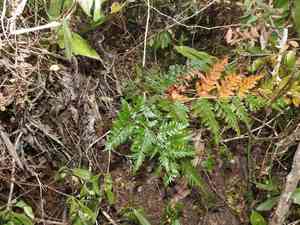
Characterized by its spreading rhizomes that resemble a rabbit's paw, giant hare's foot fern thrives with trimming to sustain its vitality. Eliminate withered or injured fronds in the initial part of spring or the latter part of winter, coinciding with its developmental period. Concentrate on excising mature foliage to encourage fresh sprouts. Trimming improves air movement, lowers the chance of illness, and fosters a more compact, robust specimen. Refrain from extensive cutting, as this can cause strain to giant hare's foot fern; gentle, consistent upkeep is more advantageous.
What Are the Benefits of Pruning Giant Hare's Foot Fern?
What Are the Benefits of Pruning Giant Hare's Foot Fern?
Giant hare's foot fern thrives with trimming, promoting robust growth and maintaining its form. Pruning aids in eliminating dead and damaged fronds, fostering healthier development and a pleasing look. It also lessens the chance of pests and diseases that could otherwise harm the plant.
What Is the Best Time for Pruning Giant Hare's Foot Fern?
What Is the Best Time for Pruning Giant Hare's Foot Fern?
Trimming giant hare's foot fern in late winter or early spring is optimal as this period aligns with the plant's inactive stage. Pruning during dormancy minimizes plant stress and lowers disease risk. Furthermore, it encourages vigorous new growth as the growing season commences, allowing the plant to recover swiftly and produce lush, attractive foliage.
What Tools Do I Need to Prune Giant Hare's Foot Fern?
Scissors
Precision cuts on fronds are best achieved with fine-tipped scissors. They help prevent harm to the delicate structure of giant hare's foot fern.
Bypass Pruners
These pruners are effective for cutting thicker stems without crushing them. They deliver clean cuts to encourage healthy regrowth.
Sterilization Equipment
Crucial for sanitizing tools before and after trimming to prevent pathogen spread. Utilize alcohol wipes or a bleach solution.
Disposable Gloves
Helpful for preventing the transfer of oils and contaminants from hands to the plant.
How to Prune Giant Hare's Foot Fern
Inspect
Carefully examine giant hare's foot fern to find any diseased or withered leaves. Ensure the plant is well-lit to clearly identify problematic areas.
Clean Tools
Before making cuts, clean and sterilize pruning shears to prevent pathogen spread. Rubbing alcohol or a bleach solution works well for sanitization.
Remove Diseased Leaves
Gently cut away any diseased leaves from giant hare's foot fern, ensuring you cut back to healthy tissue. Properly dispose of diseased leaves to prevent contamination.
Remove Withered Leaves
Trim withered or dead leaves close to their base or where they connect to healthy tissue. Be gentle to avoid harming the plant's healthy parts.
Dispose Properly
Gather and discard all trimmed material in a plastic bag or compost away from the garden to prevent disease spread and maintain a neat appearance.
Common Pruning Mistakes with Giant Hare's Foot Fern
Over-pruning
Removing too many fronds at once can stress giant hare's foot fern, leading to stunted development and poor health.
Improper technique
Using dull or dirty pruning tools can result in jagged cuts or introduce diseases, affecting the plant's vitality.
Pruning healthy fronds
Cutting off healthy, green fronds instead of focusing on damaged or dead ones can reduce the plant's ability to photosynthesize and thrive.
Neglecting the rhizomes
Failing to check and trim the creeping rhizomes when necessary can lead to unmanageable growth and overcrowding in containers.
Common Pruning Tips for Giant Hare's Foot Fern
Sanitize tools
Always use clean and sharp pruning shears to prevent disease transmission and ensure clean cuts.
Focus on damaged fronds
Remove brown, yellowing, or dead fronds to maintain the plant's appearance and health.
Trim sparingly
Only prune a small portion of the plant at a time to avoid excessive stress. Aim to remove no more than 20-25% of the fronds at once.
Monitor rhizomes
Regularly check the rhizomes and trim back any overgrown parts to ensure the plant remains manageable and healthy.
Be gentle
Handle the plant delicately during pruning to avoid damaging the fragile rhizomes and roots.



