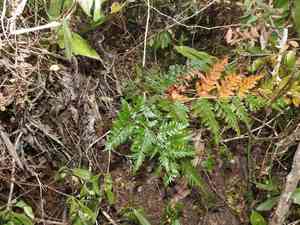
giant hare's foot fern (Davallia solida)
Also known as: Rabbit's Foot Fern, Deer Foot Fern, Squirrel Foot Fern
The giant hare's foot fern is a hardy plant characterized by its thick, woolly rhizomes that spread over soil or rocks, indicating its need for well-drained conditions. It features leathery, divided fronds that create a dense and lush appearance, ideal for adding a touch of greenery to shaded gardens. This fern thrives in humid environments with indirect light and good air circulation, making it also suitable for growing as an epiphyte on tree branches.
In This Article
Attributes of giant hare's foot fern
Lifespan
Perennial
Plant Type
Fern
Plant Height
30-60 cm
Spread
Not applicable
Leaf Color
Bright to dark green
Flower Size
Not applicable
Flower Color
Not applicable
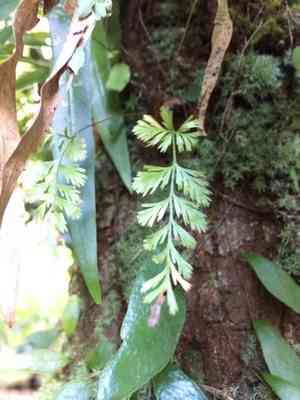
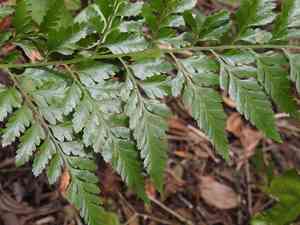
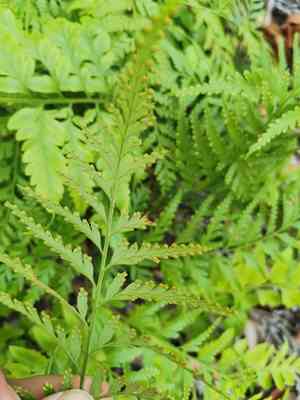
Images of giant hare's foot fern
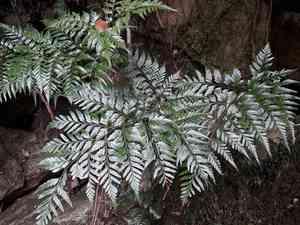
Quickly Identify giant hare's foot fern
1
To identify Davallia solida, look for its distinctive furry rhizomes that often grow over the surface of the soil or a substrate. The fronds are feathery and divided, usually bright to dark green in color.
Scientific Classification of giant hare's foot fern
Phylum
Vascular plants
Class
Ferns
Order
Polypodiales
Family
Hanging fern
Genus
Deersfoot ferns
Species
giant hare's foot fern
Planting and Growing of giant hare's foot fern
Care Difficulty
Moderate
Watering Schedule
Every 2 days
Sunlight Requirements
Partial sun
Sunshine Duration
6-10 hours
Ideal Temperature
65-75℉
Soil Type
Potting Mix, Peat Mix
Soil pH
6.5-7.5
Fertilizer Type
Balanced
Pruning Season
Spring, Summer
Pruning Area
Branches, Leaves
Pruning Frequency
2 times a year
Repotting Season
Spring
Pot Type
Plastic, Ceramic
 How to Water giant hare's foot fern?
For Davallia solida, it is important to water until the soil is evenly moist but not saturated. This typically requires around 200 ml of water per session, depending on your plant's pot size and environmental conditions. Ensure the pot has proper drainage, as standing water can lead to root problems.
What are the symptoms of an underwatered giant hare's foot fern?
›
What should I do if my giant hare's foot fern is not getting enough water?
›
What are the symptoms of an overwatered giant hare's foot fern?
›
How to save an overwatered giant hare's foot fern?
›
 What Are the Sunlight Requirements for giant hare's foot fern?
Partial sun conditions are ideal, ensuring the plant receives dappled sunlight throughout the day. Ideal lighting promotes lush, vibrant foliage and strengthens its overall structure, mimicking natural understory conditions.
What is the best type of light for Davallia solida?
›
How can I ensure my Davallia solida receives enough light?
›
What benefits does Davallia solida gain from ideal lighting?
›
 What Is the Ideal Temperature Range for giant hare's foot fern?
The ideal temperature range for Davallia solida is between 65°F and 75°F. This range mimics the plant’s native habitat, providing the warmth needed for optimal growth and development. Maintaining temperatures within this range ensures that the plant’s metabolic processes function efficiently, leading to healthy, lush foliage.
 What Soil is Best for giant hare's foot fern?
Davallia solida thrives in well-drained soil, preventing water from stagnating at the roots and reducing the risk of root rot. This is crucial for maintaining healthy root systems and promoting vibrant growth. A nutrient-rich soil supports the robust fern growth of Davallia solida. Essential nutrients improve leaf color and overall plant vigor, enabling it to develop lush foliage. While drainage is important, having a soil that retains some moisture is beneficial for the plant’s hydration needs, especially during dry spells, ensuring continuous growth without stress.
 How to Fertilize giant hare's foot fern?
For Davallia solida, it is essential to use a balanced, dilute fertilizer solution. Each application should not exceed half the recommended concentration for houseplants, generally around 1/4 teaspoon per gallon, to prevent nutrient burn.
 How to Prune giant hare's foot fern?
While pruning is essential, over-pruning can harm the plant. Remove only the necessary parts—no more than a third of the plant at a time. Excessive trimming can weaken Davallia solida and stunt its growth. Stick to pruning mostly in Spring and Summer when the plant is actively growing. Avoid heavy pruning in Autumn and Winter as the plant's growth slows, making it less capable of recovering from extensive pruning.
More About Pruning Techniques→
 How to Propagate giant hare's foot fern plant?
1
Before you begin the division process, ensure that the parent plant is healthy and well-hydrated. Water the plant a day before division to minimize stress. Gently remove it from its pot and shake off excess soil to expose the rhizomes.
2
Use your sterilized shears to carefully cut the rhizomes into sections, ensuring that each new section has at least a couple of roots and fronds attached. It's crucial to handle the rhizomes gently to avoid causing damage.
3
Place each rhizome section into a prepared pot with fresh potting mix. Position the rhizomes just below the soil surface and water them lightly to settle the soil. Ensure they are placed in a spot with indirect light to reduce transplant shock.
 How to Repot giant hare's foot fern plant?
1
Davallia solida requires repotting when you notice roots emerging from the drainage holes or when the growth becomes stunted despite proper care. These signs suggest that the root system is tightly coiled within the pot, limiting its ability to absorb nutrients effectively.
2
Select a pot that is 1-2 inches larger in diameter than the current pot. Opt for a pot made from clay or ceramic to enhance breathability and moisture regulation. This approach prevents root rot and promotes healthier growth by allowing excessive moisture to evaporate quickly.
3
Use a well-draining potting mix blended with organic matter. This composition replicates the fern's natural habitat, ensuring good aeration and moisture retention without waterlogging. A suitable soil mixture promotes root development and decreases the likelihood of fungal infections.



