How to Prune Spurgecreeper?
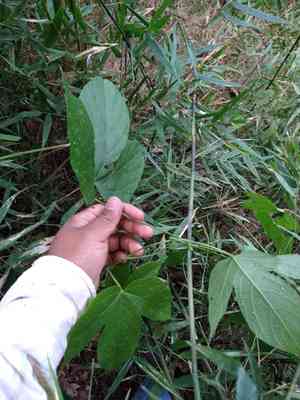
Spurgecreeper, a tropical climbing plant recognized for its cordate foliage and flower-like bracts, benefits from judicious trimming to preserve its form and stimulate blossom production. Conduct pruning in the springtime to eliminate any lifeless or frail stalks, and perform minor trims during the summer and autumn seasons to foster robust development. Refrain from making extensive cuts, as this can diminish the plant's flowering capacity. Trimming not only encourages new growth but also improves air movement, thereby discouraging infestations and illnesses. Always make precise cuts to avert harm.
Advantages of Trimming Spurgecreeper
Advantages of Trimming Spurgecreeper
Trimming spurgecreeper promotes robust development and helps maintain its desired form. Strategic cuts enhance air movement and sun exposure, fostering healthier growth. Regular trimming keeps spurgecreeper visually appealing and manageable in size.
Optimal Time for Pruning Spurgecreeper
Optimal Time for Pruning Spurgecreeper
Pruning spurgecreeper in Spring allows for the removal of any dead or damaged branches from winter, while ensuring the plant's energy is directed towards new growth. Early Fall is also suitable, as it allows new growth to harden before colder temperatures. Avoid summer pruning due to heat stress, and late Fall pruning can result in new growth that won't harden before winter.
Tools Required for Pruning Spurgecreeper
Bypass Pruners
Excellent for making clean, precise cuts on spurgecreeper's slender stems, helping prevent harm and illness.
Gloves
Crucial for safeguarding hands from potential skin irritants while pruning spurgecreeper.
Pruning Saw
Useful for cutting through any thicker stems or branches that bypass pruners cannot manage.
Loppers
Effective for reaching into dense growth and providing the necessary leverage to prune thicker spurgecreeper stems.
Garden Scissors
Suitable for deadheading and shaping spurgecreeper due to their precision and control.
Sharpening Tool
Maintains the sharpness and effectiveness of cutting tools used on spurgecreeper, ensuring clean cuts.
How to Prune Spurgecreeper
Sterilization
Sanitize pruning tools with rubbing alcohol or a bleach solution to prevent disease spread while trimming spurgecreeper.
Removal of diseased and dead material
Carefully inspect spurgecreeper and remove any diseased or dead leaves, as well as dead or diseased branches, making cuts at a 45-degree angle just above a healthy leaf node or stem.
Thinning out
Thin out crowded areas to improve air circulation and light penetration, focusing on removing smaller, weaker branches that may not be contributing to spurgecreeper's overall vigor.
Shape maintenance
Shape spurgecreeper by selectively trimming overgrown areas. Aim to create a balanced structure without drastically altering its natural form.
Cleanup
Dispose of all removed material away from healthy plants to reduce the risk of disease spread and gather up any fallen debris from the ground beneath spurgecreeper.
Common Pruning Errors with Spurgecreeper
Overpruning
Removing too much foliage at once can stress spurgecreeper, leading to poor growth and reduced flowering. Aim to remove no more than one-third of the overall growth.
Improper cuts
Making cuts that are either too close or too far from the main stem can harm spurgecreeper. Cuts should be clean and just above a leaf node or side branch.
Using dull tools
Dull pruning tools can crush stems and branches, which may introduce disease to spurgecreeper. Always use sharp, clean tools for precise cuts.
Neglecting hygiene
Failing to disinfect tools between plants can spread pests and diseases. Clean pruning equipment before moving to the next plant.
Ignoring plant form
Random or haphazard cutting without considering spurgecreeper's natural shape can result in an unbalanced appearance and hinder its growth.
General Pruning Advice for Spurgecreeper
Selective thinning
Identify and remove only the older, overgrown stems of spurgecreeper to improve air circulation and light penetration, which in turn encourages healthy growth.
Maintenance cutting
Regularly prune dead, damaged, or diseased branches to maintain the health and vigor of spurgecreeper, being mindful of the plant's overall growth patterns.
Encouraging flowering
Pinch back the tips of young shoots during the growing season to promote branching and more prolific blooms on spurgecreeper.
Shaping
Gently shape spurgecreeper by cutting back leggy stems to a desired length, which can enhance the plant's aesthetics without compromising its bloom.
Post-flowering care
After spurgecreeper has finished flowering, light pruning can encourage a second bloom and reduce the likelihood of pest and disease infestations.



