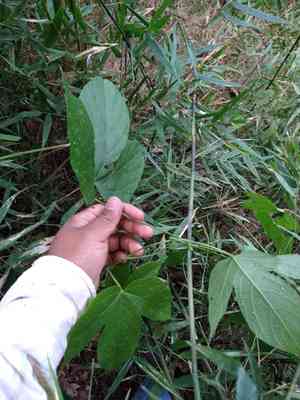
Spurgecreeper (Dalechampia scandens)
Also known as: Nettleleaf Noseburn, Climbing Dalechampia
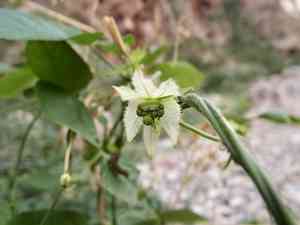
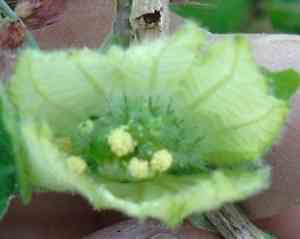
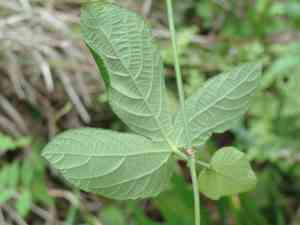
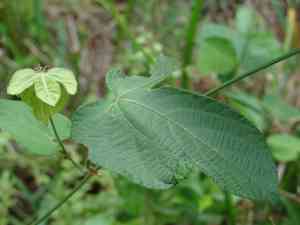
The plant you're referring to is the Spurgecreeper. This robust climber is distinguished by its heart-shaped leaves and striking bracts that mimic flowers. These colorful bracts encircle tiny true flowers, forming an attractive display that lures pollinators. In warm, tropical regions, the Spurgecreeper employs tendrils to climb through the forest canopy in search of sunlight.
In This Article
Attributes of Spurgecreeper
Lifespan
Perennial
Plant Type
Herb, Vine
Plant Height
1 m to 5 m
Spread
Varies, as it is a climbing vine and does not form a traditional crown
Leaf Color
Green
Flower Size
Small, less than 1 cm for individual flowers, but the bracts can be around 2-4 cm
Flower Color
White Green
Images of Spurgecreeper
Quickly Identify Spurgecreeper
1
To identify Dalechampia scandens, look for its unique bracts which resemble flower petals, typically light green to white or pink. The actual flowers are small and less noticeable. It typically employs a twisted, vine-like growth habit.
Scientific Classification of Spurgecreeper
Phylum
Vascular plants
Class
Dicotyledons
Order
Malpighiales
Family
Spurge
Genus
Dalechampia
Species
Spurgecreeper
Planting and Growing of Spurgecreeper
Care Difficulty
Easy
Watering Schedule
Every 4 days
Sunlight Requirements
Partial sun
Sunshine Duration
4-8 hours
Ideal Temperature
65-75℉
Soil Type
Potting Mix, Peat Mix
Soil pH
6.5-7.5
Fertilizer Type
Balanced
Pruning Season
Spring, Summer
Pruning Area
Branches, Leaves
Pruning Frequency
2 times a year
Repotting Season
Spring
Pot Type
Plastic, Ceramic
 How to Water Spurgecreeper?
To ensure Dalechampia scandens thrives, water thoroughly so that the moisture reaches the deeper roots. A good rule is about 500 ml, though this may vary with plant size and soil. Make sure the soil is the right dampness, neither too dry nor waterlogged. Allows some drying at the top of the soil between waterings to balance water retention and airflow.
What are the symptoms of an underwatered Spurgecreeper?
›
What should I do if my Spurgecreeper is not getting enough water?
›
What are the symptoms of an overwatered Spurgecreeper?
›
How to save an overwatered Spurgecreeper?
›
 What Are the Sunlight Requirements for Spurgecreeper?
Dalechampia scandens thrives best in partial sunlight. This balance of sun and shade enables optimal photosynthesis, resulting in lush growth and prolific flowering. Adequate lighting ensures the plant's structural integrity and aesthetic vibrancy.
What is the ideal location for Dalechampia scandens?
›
How can I ensure consistent light exposure?
›
Why is the right lighting important for Dalechampia scandens?
›
 What Is the Ideal Temperature Range for Spurgecreeper?
Dalechampia scandens thrives ideally between 65°F and 75°F. This temperature range supports optimal photosynthesis and nutrient uptake, ensuring robust growth and flowering. It provides a warm yet not overly heated environment, which keeps the delicate balance needed for this plant's metabolic processes.
 What Soil is Best for Spurgecreeper?
Dalechampia scandens thrives in well-drained soil, which prevents root rot and allows the roots to access oxygen efficiently, promoting vigorous growth. Rich in organic matter, the soil should offer nutrients that support healthy leaf and flower development, ensuring lush and continuous growth throughout the season. While well-draining, the soil should also retain enough moisture to keep the plant hydrated during dry spells, providing a balanced environment essential for plant vitality.
 How to Fertilize Spurgecreeper?
When fertilizing Dalechampia scandens, use approximately 1/2 to 1 teaspoon of liquid fertilizer per gallon of water. For slow-release granules, apply about 1 tablespoon per plant. Adjust amounts based on plant size and growth stage.
 How to Prune Spurgecreeper?
Before you start pruning, take a moment to visualize the ideal shape for your Dalechampia scandens. This understanding will guide you in making cuts that enhance the plant’s natural beauty. Begin by trimming away any overgrown sections to maintain the desired shape. Focus on thinning out the interior to improve light penetration, but avoid excessive cutting to prevent stress. After pruning, regularly check for new shoots. You might need to do minor trims to maintain shape and encourage an even distribution of growth across the plant.
More About Pruning Techniques→
 How to Propagate Spurgecreeper plant?
1
To propagate Dalechampia scandens from seeds, first collect mature seeds from the plant as soon as they ripen. Ensure the seeds are clean and free from any debris or pests before proceeding.
2
Select healthy stems from the parent plant and cut segments approximately 4-6 inches long. Remove lower leaves from the cuttings to minimize water loss and encourage root development.
3
Sow seeds or plant cuttings in a well-draining potting mix. Maintain a warm and humid environment, mimicking the natural growing conditions of Dalechampia scandens. Consistent moisture levels aid in the successful establishment of young plants.
 How to Repot Spurgecreeper plant?
1
You should consider repotting Dalechampia scandens when you notice the roots are beginning to circle the pot, emerging through the drainage holes, or the plant seems to suffer from stunted growth. These are clear signals that it needs more room to thrive.
2
Choose a pot that is 1-2 inches larger in diameter than the current one. This provides the roots with ample space to expand without overwhelming them with excessive soil that retains too much moisture. Good drainage holes are essential for preventing waterlogging.
3
Opt for a well-draining potting mix made from components like peat, perlite, and pine bark. Such a mix ensures adequate aeration while retaining enough moisture, thereby minimizing the risk of root rot and promoting healthy growth.
Toxicity
Ingestion, Skin contact
WARNING
The judgment on toxicity and danger is for reference only. We DO NOT GUARANTEE any accuracy of such judgment. Therefore, you SHALL NOT rely on such judgment. It is IMPORTANT TO SEEK PROFESSIONAL ADVICE in advance when necessary.
Learn More About Spurgecreeper Diseases
Anthracnose
Bacterial Leaf Spot
Bacterial Soft Rot
Bacterial Wilt
Black Spot
Chemical Injury
Crown Gall
Cyst Nematode
Damping-off
Downy Mildew
Drought Stress
Fusarium Wilt
Gray Mold
Leaf Curl
Leaf Spot
Mosaic
Nutrient Deficiency
Nutrient Toxicity
Powdery Mildew
Root Rot
Root-knot Nematode
Rusts
Sooty Mold
Spider Mites
Temperature Stress
Thrips Damage
White Mold



