How to Prune Silky prairie clover?
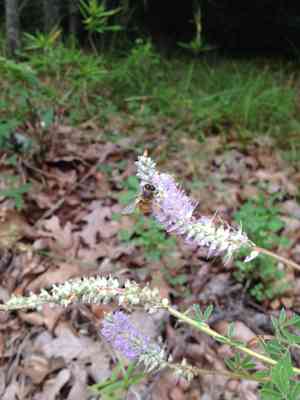
Silky prairie clover, notable for its delicate leaves and vivid blossoms, flourishes when properly trimmed. In early spring, prune silky prairie clover to encourage new development and enhance air circulation, which helps deter illnesses. During summer, concentrate on removing spent flowers to promote additional blooming, thereby prolonging its flowering duration. Consistent trimming improves silky prairie clover's aesthetic appeal and sustains its well-being. Strategic cutting during particular times of the year aligns with the plant's inherent growth pattern, maximizing vigor and the caliber of its flowers.
What Are the Benefits of Pruning Silky Prairie Clover?
What Are the Benefits of Pruning Silky Prairie Clover?
Trimming silky prairie clover promotes robust new development and maintains a desired form, boosting its overall look and vitality in garden settings.
What Is the Best Time for Pruning Silky Prairie Clover?
What Is the Best Time for Pruning Silky Prairie Clover?
For silky prairie clover, the optimal periods for trimming are during the spring and summer months. Pruning in spring, just prior to the start of the growth cycle, enables silky prairie clover to recover and produce fresh shoots effectively. This timing ensures the plant doesn't carry unnecessary or dead foliage into the growing season, which can divert resources from new growth. Summer pruning is also advantageous as it aids in managing and shaping the development of silky prairie clover while it actively grows. This seasonal management guarantees the plant retains vigor and positively contributes to its blooming potential later in the season. Pruning during these months maximizes the health and aesthetic appeal of silky prairie clover, perfectly aligning with its natural growth phases.
What Tools Do I Need to Prune Silky Prairie Clover?
Hand Pruners
Perfect for making precise cuts on silky prairie clover, which is vital for preserving plant health and encouraging beneficial growth. Hand pruners are suitable for cutting through small to medium-sized stems, fitting the typically slender stems of silky prairie clover.
Pruning Shears
These are excellent for shaping silky prairie clover and trimming excess branches. The shears allow for clean cuts that help prevent disease and pests from entering the plant.
Lopping Shears
Useful for reaching thicker, harder to cut branches that hand pruners cannot handle. Due to the height and spread of silky prairie clover, lopping shears will provide the extra leverage needed for tougher cuts.
How to Prune Silky Prairie Clover
Preparation
Assemble the necessary trimming tools such as sharp, clean pruning shears, gloves, and disinfectant for sanitizing the shears before and after use. This preparation ensures that the cuts are clean and minimizes the spread of disease in silky prairie clover.
Identification
Carefully examine silky prairie clover to pinpoint the sections requiring pruning. Specifically look for diseased leaves, withered leaves, and diseased stems. These might display signs of discoloration, spots, or unusual growth patterns.
Removal of diseased leaves
Using the sterilized pruning shears, carefully snip off diseased and withered leaves at their base, close to the stem. Make sure not to pull the leaves to avoid causing unnecessary stress or damage to silky prairie clover.
Removal of diseased stems
If you find stems that are diseased or heavily infested with pests, cut them back to healthy tissue. Make a clean cut just above a leaf node or a branching point to encourage healthy new growth from silky prairie clover.
Cleanup
Dispose of all removed material (leaves and stems) away from silky prairie clover to prevent reinfection or pest attraction. Sanitize your tools again after finishing to ensure they are clean for the next use.
Common Pruning Mistakes with Silky Prairie Clover
Overpruning
Removing too much foliage from silky prairie clover can significantly weaken the plant. A common error is to cut back more than one-third of the plant's total growth in a single pruning session, which can stress silky prairie clover and reduce its vigor.
Improper cut location
Cuts made too far from nodes (the points on a stem where leaves attach) can result in stubs that do not heal efficiently and can invite pests and disease. Conversely, cutting too close to the node can damage the buds and impair new growth.
Wrong pruning tools
Using dull or unsanitary tools is a frequent mistake. Dull tools can damage silky prairie clover's stems, leaving jagged edges that heal slowly, while dirty tools can spread disease between plants.
Common Pruning Tips for Silky Prairie Clover
Tool preparation
Before pruning silky prairie clover, ensure that all pruning tools are sharp and clean. This promotes clean cuts that heal quickly, preventing damage and disease entry.
Selective pruning
Focus on removing only dead or damaged stems, as well as any stems that are crossing or rubbing against each other. This not only helps in maintaining the health of silky prairie clover but also enhances air circulation through the plant, which is crucial for minimizing disease risk.
Encourage flowering
Lightly pruning silky prairie clover's tips after the first bloom can help encourage a second bloom period. This tip pruning should be minimal, removing only the top few inches of the stem to stimulate new growth and subsequent blooms.



