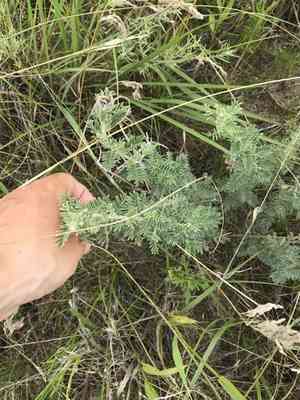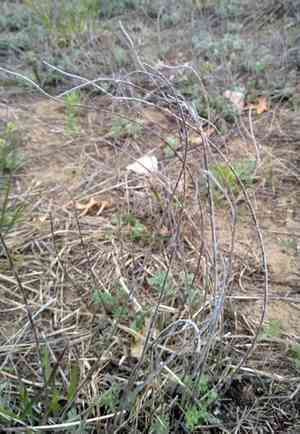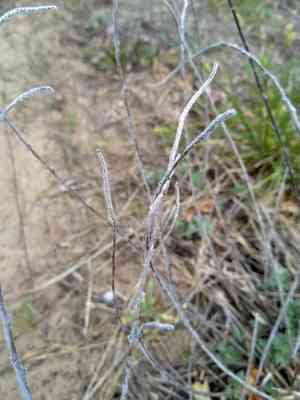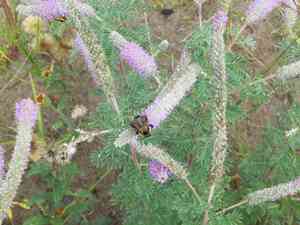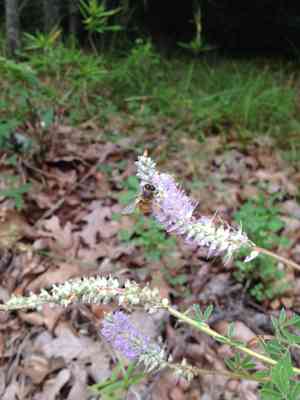
Silky prairie clover(Dalea villosa)

Silky prairie clover (Dalea villosa)

Also known as: Silky Prairie Clover, Silky Dalea

Silky prairie clover (Dalea villosa) serves multiple purposes:

1. **Landscaping and Gardening**: Valued for its aesthetic appeal in gardens and landscapes.
2. **Cut Flowers**: Used in floral arrangements due to its attractive blooms.
3. **Soil Stabilization**: Effective in stabilizing dunes and preventing soil erosion with its robust root network.
4. **Pollinator Support**: Attracts native bees, enhancing pollination services.
5. **Nitrogen Fixation**: Improves soil health by fixing nitrogen through a symbiotic relationship with soil bacteria.

Distinct from purple prairie clover (Dalea purpurea), silky prairie clover is notable for its characteristic silky hairs.

Attributes of Silky prairie clover

Lifespan
Perennial
Plant Type
Herb, Shrub
Plant Height
30 cm to 46 cm
Spread
Varies, typically spreading about 60 cm (24 inches)
Leaf Color
Green with a silvery sheen due to fine white hairs
Flower Size
Approximately 1.5 cm (0.6 inches)
Flower Color
Purple-pink

ForwardPlant - Identify plants with a snap

Identify and diagnose plants, get toxicity alerts, and explore safety guides for all types of fungi.

Try for Free

Images of Silky prairie clover

Silky prairie clover(Dalea villosa)

Quickly Identify Silky prairie clover

1
Dalea villosa can be easily recognized by its silky white hairs covering the stem and leaves, giving the plant a silvery appearance. The flowers are typically bright purple-pink and are grouped in dense, cylindrical clusters at the end of the stems.

Scientific Classification of Silky prairie clover

Phylum
Vascular plants
Class
Dicotyledons
Order
Fabales
Family
Legume
Genus
Prairie clover
Species
Silky prairie clover

Planting and Growing of Silky prairie clover

Care Difficulty
Easy
Watering Schedule
Every 2 days
Sunlight Requirements
Full sun
Sunshine Duration
4-8 hours
Ideal Temperature
65-75℉
Soil Type
Potting Mix, Peat Mix
Soil pH
6.5-7.5
Fertilizer Type
Balanced
Pruning Season
Spring, Summer
Pruning Area
Branches, Leaves
Pruning Frequency
2 times a year
Repotting Season
Spring
Pot Type
Plastic, Terracotta

water icon How to Water Silky prairie clover?

When watering Dalea villosa, aim for around 250 milliliters per session. The necessity is to keep the soil consistently lightly moist but never soggy. This plant thrives when its soil has the opportunity to dry out a bit between waterings, ensuring a balance that mimics its natural habitat.
What are the symptoms of an underwatered Silky prairie clover?
What should I do if my Silky prairie clover is not getting enough water?
What are the symptoms of an overwatered Silky prairie clover?
How to save an overwatered Silky prairie clover?

sunlight icon What Are the Sunlight Requirements for Silky prairie clover?

Sunlight Requirements: Full sun
Duration of light: 6-8 hours daily
Dalea villosa thrives best under full sun conditions, which mimics its natural habitat. Providing an optimal light environment is crucial for maximizing its flowering potential and maintaining vibrant, healthy foliage.
How much sunlight does Dalea villosa prefer?
What happens if Dalea villosa doesn't get the ideal amount of light?
Why is full sun important for Dalea villosa?

temperature icon What Is the Ideal Temperature Range for Silky prairie clover?

Ideal Temperature: 65 ~ 75℉
The ideal temperature range for Dalea villosa growth is between 65°F and 75°F. This range allows the plant to thrive, supporting optimal growth and vibrant flowering. Maintaining temperatures within this range provides the right environmental conditions needed for its metabolic processes and nutrient uptake.

soil icon What Soil is Best for Silky prairie clover?

Soil type: Sandy soil, Sandy loam
Soil PH: 6.5 ~ 7.5
Dalea villosa thrives in well-drained soil, as it prevents root rot and other water-related diseases. Ensuring proper drainage helps the plant access necessary nutrients and grow vigorously, mimicking its natural habitat conditions. This plant requires soil rich in essential nutrients while still being moderately infertile to mimic its native prairie habitats. The balance ensures steady growth and robust blooming, without over-fertilizing that could harm its development. Dalea villosa adapts well to soils with lower organic matter content, reflecting its adaptability to drier, nutrient-sparse environments. Maintaining lower levels encourages deep root thickening, essential for stabilizing the plant against wind and drought.

fertilize icon How to Fertilize Silky prairie clover?

Fertilizer type: Balanced
For Dalea villosa, it's important to use a balanced approach when applying fertilizers. Typically, use a diluted liquid fertilizer solution of 10-10-10 or 5-10-5. Apply approximately 1/4 to 1/2 cup per plant, ensuring even distribution around the root zone. Avoid fertilizing close to the stem to prevent burning.

prune icon How to Prune Silky prairie clover?

Pruning Time: Spring, Summer, Autumn
Begin pruning by examining the plant for any signs of disease or decay, as these areas should be removed first. Trim these sections close to the base. Next, shape the plant by cutting back any overly long or unbalanced branches. Make the cut just above a node to encourage branching and a fuller appearance. Focus on maintaining a rounded or natural shape that suits the surrounding landscape. Avoid cutting too much at once; never remove more than one-third of the plant's total height in a single pruning session. More About Pruning Techniques

propagate icon How to Propagate Silky prairie clover plant?

Propagate Time: Spring, Late spring, Early spring, Summer
1
Begin by soaking the seeds in water for 12-24 hours to soften the seed coat. This can improve the germination rate as it helps the seeds to absorb moisture and start the process of sprouting.
2
Prepare a well-draining soil mix and fill the seedling trays or pots. A mix of sand, perlite, and potting soil provides aeration and drainage, reducing the risk of root rot in seedlings.
3
Select healthy stems from the parent plant and cut them just below a node. Ensure that each cutting has at least two to three leaves, and remove any flowers or buds to divert energy to root development.
More About Propagating Techniques

repot icon How to Repot Silky prairie clover plant?

Repotting frequency: Every 2-3 years
1
Repot Dalea villosa when you notice root-bound conditions, slow growth, or reduced flowering. These signs indicate that the plant has outgrown its current container, and needs more space to continue thriving. Spring or early summer is the best time, as the plant will have optimal growing conditions to recover.
2
Select a pot that is 1-2 inches larger in diameter than the current one. It should have proper drainage holes to prevent waterlogging. Choosing the right pot size helps the plant develop a healthy root system and reduces the risk of root rot, which is crucial for maintaining plant health.
3
Opt for well-draining sandy soil mixed with a bit of organic matter. This soil mix closely mimics Dalea villosa's natural environment, ensuring good drainage and aeration. Proper soil choice enhances root health and prevents the plant from becoming waterlogged, promoting vigorous growth.

ForwardPlant - Identify plants with a snap

Find the best spots for them to optimize their health, simply using your phone.

Try for Free