How to Prune Lean flatsedge?
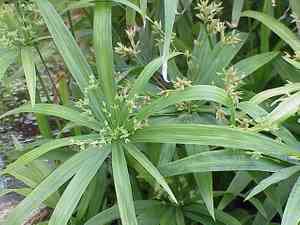
Cyperus gracilis, a perennial grass-like species, is recognized by its delicate, clustered stalks. Trim Cyperus gracilis in late winter or early spring to eliminate deceased or compromised foliage and encourage more compact clusters. Sever aged, discolored stems close to the ground to revitalize the specimen, fostering improved air circulation and diminishing the likelihood of illness. Consistent trimming boosts its aesthetic value and prevents excessive density. Strategic cutting promotes more robust development and preserves the plant's vitality and form.
What Are the Benefits of Pruning Lean Flatsedge?
What Are the Benefits of Pruning Lean Flatsedge?
Trimming lean flatsedge encourages robust development and maintains its form, ensuring vigorous growth and enhanced aesthetic appeal. Regular cutting also aids in improving air circulation and light penetration, decreasing the likelihood of pests and illnesses.
What Is the Best Time for Pruning Lean Flatsedge?
What Is the Best Time for Pruning Lean Flatsedge?
Early spring and winter are optimal periods to prune lean flatsedge. In early spring, pruning helps stimulate new growth as the plant prepares for its active season. Winter is also suitable since lean flatsedge is dormant, making recovery from pruning less stressful. Additionally, pruning during these times ensures no interference with the plant's flowering or fruiting cycles, helping maintain its overall health and vigor.
What Tools Do I Need to Prune Lean Flatsedge?
Hand Pruners
Hand pruners are crucial for precise cuts on lean flatsedge's slender stems and leaves. Consistent trimming helps maintain its shape and prevents excessive growth.
Shears
Garden shears are excellent for cutting larger sections of lean flatsedge in one go. Ideal for tidying up and managing plant health.
Grass Clippers
Given lean flatsedge's grass-like growth, grass clippers are suitable for uniform trimming, especially in larger garden areas and landscapes.
Hedge Trimmers
For extensive patches of lean flatsedge, battery-powered or manual hedge trimmers can efficiently prune without damaging delicate stems.
Bypass Pruners
These pruners are perfect for clean cuts on lean flatsedge's live green stems. They minimize damage and promote healthy regrowth.
How to Prune Lean Flatsedge
Identify
Examine lean flatsedge for any diseased or withered leaves by inspecting the foliage closely.
Tools
Gather sharp, sterilized pruning shears to prevent the spread of disease.
Trim diseased
Carefully cut away any diseased leaves at the base, ensuring to remove the entire affected part to prevent further contamination.
Trim withered
Remove withered leaves by cutting them back to the nearest healthy part of the plant to promote new growth.
Dispose
Properly dispose of all removed foliage away from other plants to avoid potential spread of disease.
Common Pruning Mistakes with Lean Flatsedge
Over-pruning
Removing too much of the plant at once can stress lean flatsedge, inhibiting its growth and health.
Incorrect Technique
Using dull or inappropriate tools can cause jagged cuts that may lead to disease and pest infestations.
Pruning at Wrong Nodes
Cutting at improper points on the plant can hinder regrowth and may damage the structural integrity of lean flatsedge.
Frequency
Pruning too frequently can prevent lean flatsedge from establishing a stable growth pattern, affecting its overall vitality.
Common Pruning Tips for Lean Flatsedge
Use Sharp Tools
Ensure your pruning shears are clean and sharp to make clean cuts that heal quickly.
Cut Above Nodes
Make cuts just above the nodes (the part where leaves branch out) to encourage new growth without harming the plant.
Remove Damaged Parts
Focus on removing dead, diseased, or damaged foliage to keep lean flatsedge healthy and pest-free.
Moderation
Prune sparingly by cutting only what is necessary to shape and maintain the plant, avoiding extensive cuts that could weaken lean flatsedge.
Sanitize Tools
Regularly sanitize pruning tools between cuts to prevent the spread of diseases.



