How to Prune Pond flatsedge?
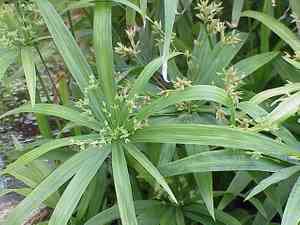
Cyperus eragrostis, recognized for its thick, clustered growths and delicate stalks, thrives with trimming performed in late winter or early spring. Essential methods include removing withered or injured leaves and cutting back to preserve its form and stimulate vitality. Regular trimming aids in lowering disease susceptibility, enhancing air movement, and fostering strong development. To achieve the best outcomes, utilize sharp, sanitized implements and refrain from excessive cutting to guarantee Cyperus eragrostis stays robust and shapely.
What Are the Benefits of Pruning Pond Flatsedge?
What Are the Benefits of Pruning Pond Flatsedge?
Trimming pond flatsedge encourages robust development, assists in maintaining its desired form, and enhances overall plant vitality by eliminating dead or ailing sections.
What Is the Best Time for Pruning Pond Flatsedge?
What Is the Best Time for Pruning Pond Flatsedge?
Trimming pond flatsedge in early spring or winter is optimal because, during these periods, the plant is either inactive or just commencing its growth cycle. This dormant state minimizes plant stress and facilitates quicker recovery. Early spring pruning can stimulate new growth as the plant enters its active phase, boosting its overall health and vigor. Additionally, winter trimming helps remove any damaged or dead foliage, fostering a healthier plant structure and improved air circulation, which can prevent disease.
What Tools Do I Need to Prune Pond Flatsedge?
Hand Pruners
Crucial for making precise cuts on small stems. Perfect for maintaining shape and removing dead or damaged growth on pond flatsedge.
Long-reach Pruners
Helpful for reaching and trimming any difficult-to-access areas. Minimizes plant disturbance while ensuring proper health.
Shears
Effective for cutting back larger clusters or portions of pond flatsedge to encourage healthy growth and manage size.
Gloves
Protective gloves are advised for safe handling and trimming of the plant. They provide a secure grip and shield hands from potential irritants.
How to Prune Pond Flatsedge
Inspect
Thoroughly examine pond flatsedge for any indications of diseased or withered foliage. It's essential to identify areas needing attention before starting any pruning.
Prepare
Gather your pruning implements such as sharp scissors or pruning shears. Ensure they are clean and sanitized to prevent disease transmission.
Remove Diseased Leaves
Carefully cut away any leaves exhibiting signs of illness. Make clean cuts near the base of the leaf stem to ensure complete removal and prevent further disease spread.
Remove Withered Leaves
Trim off any dried or dead leaves, cutting them back to the healthy part of the plant or to the base if the entire leaf is compromised. This helps the plant conserve energy and promotes new growth.
Dispose
Properly discard all removed plant material in a waste bin or compost away from other plants to avoid spreading disease. Clean your tools again after pruning.
Common Pruning Mistakes with Pond Flatsedge
Over-pruning
Cutting too much of the plant at once can weaken it, leading to reduced growth and increased disease risk.
Improper technique
Using dull or unsanitized tools can result in jagged cuts and promote infections.
Neglecting dead material
Failing to remove dead or diseased stems can impede the plant's overall health.
Ignoring plant structure
Not understanding pond flatsedge's natural growth habit and pruning randomly can lead to an unbalanced and unhealthy plant.
Common Pruning Tips for Pond Flatsedge
Use sharp, clean tools
Ensure tools are sterilized to make clean cuts and prevent disease spread.
Remove dead material first
Begin by eliminating any dead, damaged, or diseased stems to promote healthy growth.
Prune for shape and balance
Cut back sections to maintain pond flatsedge's natural growth habit, ensuring it remains balanced and aesthetically pleasing.
Make precise cuts
Cut just above a node or lateral bud to encourage new growth in desired directions.



