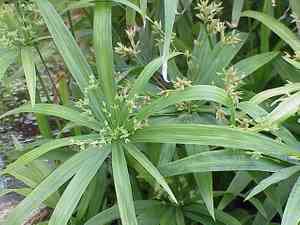
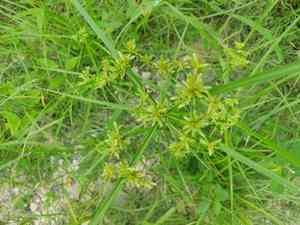
Pond flatsedge (Cyperus ochraceus)
Also known as: Ochraceous Sedge
The soft-stem bulrush is a perennial sedge that excels in wetland areas. It features tall, upright stems ending in tufted, umbrella-like clusters with characteristic rusty-brown spikelets. This plant's specialized root system enables it to thrive in waterlogged soils, playing a vital role in stabilizing banks and purifying water in its marshy surroundings.
In This Article
Attributes of Pond flatsedge
Lifespan
Perennial
Plant Type
Grass
Plant Height
0 mm to 91 cm
Spread
N/A
Leaf Color
Green
Flower Size
Small, less than 1 cm
Flower Color
Yellowish to brown
Images of Pond flatsedge
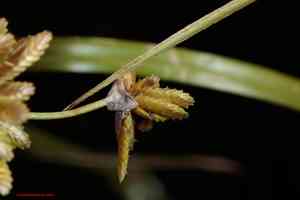
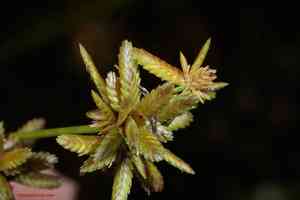
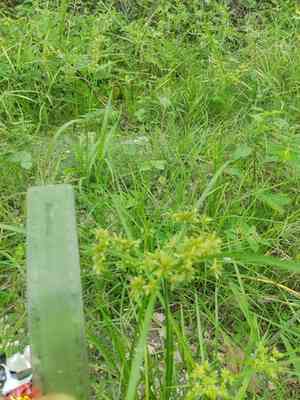
Quickly Identify Pond flatsedge
1
This plant can be identified by its grass-like leaves, triangular stems, and cluster-like inflorescences with small spikelets. It typically grows in wet environments.
Scientific Classification of Pond flatsedge
Phylum
Vascular plants
Class
Monocotyledons
Order
Poales
Family
Sedge
Genus
Nutgrasses
Species
Pond flatsedge
Planting and Growing of Pond flatsedge
Care Difficulty
Moderate
Watering Schedule
Every 10 days
Sunlight Requirements
Full sun
Sunshine Duration
4-8 hours
Ideal Temperature
68-77℉
Soil Type
Potting Mix, Peat Mix
Soil pH
6.5-7.5
Fertilizer Type
Balanced
Pruning Season
Spring, Summer
Pruning Area
Branches, Leaves
Pruning Frequency
2 times a year
Repotting Season
Spring
Pot Type
Plastic, Ceramic
 How to Water Pond flatsedge?
For Cyperus ochraceus, water until the soil feels moist but not soggy. The principle to follow is to maintain damp soil, similar to the plant's natural swampy habitat. Be sure to allow water to drain completely to avoid waterlogging.
What are the symptoms of an underwatered Pond flatsedge?
›
What should I do if my Pond flatsedge is not getting enough water?
›
What are the symptoms of an overwatered Pond flatsedge?
›
How to save an overwatered Pond flatsedge?
›
 What Are the Sunlight Requirements for Pond flatsedge?
Cyperus ochraceus ideally requires full sun to partial sun conditions. Striking a balance in light exposure encourages vigorous growth, lush foliage, and strong roots.
What light conditions does Cyperus ochraceus need?
›
How to ensure Cyperus ochraceus receives ideal light?
›
What happens when Cyperus ochraceus gets ideal sunlight?
›
 What Is the Ideal Temperature Range for Pond flatsedge?
The ideal temperature range for Cyperus ochraceus is between 68°F and 77°F. Within this range, the plant can achieve optimal growth and maintain its vitality. This temperature range ensures that the enzymes involved in plant processes function efficiently, allowing for effective photosynthesis and respiration.
 What Soil is Best for Pond flatsedge?
Cyperus ochraceus thrives in well-drained soil, which ensures water does not accumulate and drown the roots. This is crucial as well-drained soil prevents root rot and supports healthy growth by allowing roots to breathe. This plant prefers soil with moderate moisture levels. Consistent moisture availability without oversaturation is key for its growth, as it simulates its natural habitat conditions, promoting vigorous sprouting and sustainment. Cyperus ochraceus benefits significantly from a nutrient-rich soil mix. Elements such as nitrogen, phosphorus, and potassium should be adequately present to fuel growth, flowering, and ensure the plant's resilience against pests and diseases.
 How to Fertilize Pond flatsedge?
Cyperus ochraceus requires careful measurement when applying fertilizers to avoid root damage. For liquid fertilizers, use a concentration of 1/4 strength of a general-purpose houseplant fertilizer, ensuring no more than 50 ml of dilute fertilizer per plant. Solid fertilizers should be applied in small quantities as well—typically 5-7 grams around the base, ensuring it does not directly touch the plant.
 How to Prune Pond flatsedge?
Begin by examining the plant for browned or dead stems and leaves. These should be your main focus as removing them will enhance the plant’s aesthetic and promote healthier growth. Hold the cluster of stems you want to prune and make clean cuts close to the base. This technique encourages new stem development, keeping your Cyperus ochraceus thick and uniformly green. Discard cut plant material away from the plant to prevent any potential disease transfer. It's best practice to clean the surrounding area to deter pests and disease from settling.
More About Pruning Techniques→
 How to Propagate Pond flatsedge plant?
1
Start by collecting seeds from mature Cyperus ochraceus plants. Clean the seeds and ensure they are dry before sowing. Fill a seed tray with a well-draining seed-starting mix, then place seeds gently on the surface, covering them lightly with more soil.
2
After sowing the seeds, moisten the soil using a fine mist spray to avoid washing the seeds away. Ensure the soil remains consistently moist but not waterlogged, to promote germination without causing rot.
3
For division propagation, carefully dig up an established plant in early spring. Using a sharp knife or spade, divide the plant into sections, each with a portion of roots. Replant the divisions immediately into prepared ground or pots.
 How to Repot Pond flatsedge plant?
1
Cyperus ochraceus should be repotted when you notice several signs: roots are circling inside the pot, the plant is visibly waterlogged, or growth has slowed significantly. Spring and early summer are ideal because it allows the plant to recover and adapt in warmer, more favorable conditions.
2
Select a pot that is slightly larger than the current one, with drainage holes. This ensures proper root structure as the plant grows, preventing waterlogging and root rot. A well-chosen pot enables better moisture management, allowing the plant to thrive.
3
A well-draining loamy mix is ideal for Cyperus ochraceus, as it retains moisture without becoming waterlogged. This soil texture helps maintain adequate hydration while preventing root rot, providing the necessary support for healthy growth.



