How to Prune Tall ladies'-tresses?
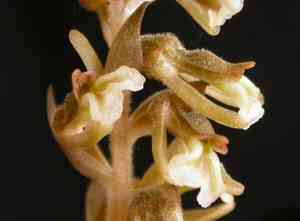
Tall ladies'-tresses, known for its helical blossoms and vigorous development, benefits significantly from consistent trimming. Concentrate on excising withered or ailing leaves in the early spring period to stimulate robust development. A gentle trim during the summer months aids in preserving its form and encourages a more prolific flowering display. Strategic pruning of tall ladies'-tresses at these junctures optimizes its developmental rhythm and elevates its aesthetic charm. Always utilize sharp, disinfected implements to avert pathogen introduction, thereby cultivating a hardier, more enduring specimen.
What Are the Benefits of Pruning Tall Ladies'-tresses?
What Are the Benefits of Pruning Tall Ladies'-tresses?
Pruning tall ladies'-tresses encourages robust development, maintains its form, and improves its overall look. Trimming tall ladies'-tresses also helps manage its size and boosts its resistance to pests and illnesses. Consistent pruning ensures healthier, stronger plants, fostering optimal growth.
What Is the Best Time for Pruning Tall Ladies'-tresses?
What Is the Best Time for Pruning Tall Ladies'-tresses?
Trimming tall ladies'-tresses during spring and summer is optimal as it coincides with the plant's active growth period. This timing allows cuts to heal faster and minimizes disease risk. Early spring pruning also stimulates new growth before peak blooming, while summer pruning can help manage plant size and shape after the initial growth spurt. These seasons ensure the plant remains healthy and vigorous throughout its life cycle.
What Tools Do I Need to Prune Tall Ladies'-tresses?
Hand Pruners
Perfect for making precise cuts on delicate stems and leaves, ensuring minimal damage to the tall ladies'-tresses.
Pruning Scissors
Excellent for accurate trimming of small, slender stems typical of the tall ladies'-tresses's structure.
Bypass Pruners
Useful for slightly thicker stems, providing a clean cut that promotes rapid healing in the tall ladies'-tresses.
Sterilization Supplies (e.g., alcohol wipes)
Crucial for sanitizing blades before and after pruning to prevent disease transmission in tall ladies'-tresses.
How to Prune Tall Ladies'-tresses
Inspection
Thoroughly examine tall ladies'-tresses for any diseased, withered leaves, or unhealthy stems. Look for discoloration, spots, or signs of decay.
Tools
Prepare sanitized pruning shears or scissors to ensure clean cuts and prevent the spread of pathogens.
Diseased leaves
Remove diseased leaves at their base where they connect to the stem. Ensure all infected parts are eliminated to stop further disease progression.
Withered leaves
Cut off any withered leaves from their point of attachment to the stem. This aids in improving air circulation and overall appearance.
Diseased stems
Carefully cut any diseased stems back to healthy tissue. Ensure the cut is clean and just above a leaf node or bud to encourage new growth.
Common Pruning Mistakes with Tall Ladies'-tresses
Incorrect Technique
A frequent error is using improper pruning tools or methods. This can result in jagged cuts, making the plant susceptible to pests and diseases.
Over-pruning
Another common mistake is removing too much of the plant at once. This can stress tall ladies'-tresses and hinder its growth and blooming potential.
Pruning at Incorrect Angles
Cutting stems at the wrong angle can cause water to collect on the cut surface, increasing the risk of fungal infections.
Pruning at Wrong Sections
Removing flower spikes or cutting too close to the plant's base can negatively impact its ability to bloom and grow healthily.
Not Cleaning Tools
Using dirty or dull tools can introduce pathogens to tall ladies'-tresses, leading to disease and poor development.
Common Pruning Tips for Tall Ladies'-tresses
Sharp, Clean Tools
Always use sharp, sterilized pruning shears to make clean cuts and minimize the risk of disease.
Moderation
Only remove a small portion of the plant at a time, focusing on dead or damaged foliage, to avoid stressing tall ladies'-tresses.
Proper Cut Angles
Make cuts at a 45-degree angle, away from buds or stems, to discourage water pooling and promote quicker healing.
Targeted Pruning
Concentrate on removing spent flowers and any discolored leaves to encourage healthy growth and more blooms.
Regular Hygiene
Clean your pruning tools before and after each use to prevent the spread of diseases and pests.



