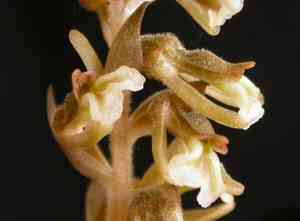
Tall ladies'-tresses (Cyclopogon elatus)
Also known as: Pepper Piper Orchid
Tall ladies'-tresses (Spiranthes elata) thrives in Central and South America but is exceedingly rare and endangered in Florida. The last confirmed sighting in Florida was in 1980, despite extensive searches. Its brownish hue and small, moss-like flowers make it less desirable for cultivation, contributing to its rarity. Habitat destruction from urbanization and agriculture further threatens its survival in the state.
In This Article
Attributes of Tall ladies'-tresses
Lifespan
Perennial
Plant Type
Herb
Plant Height
15-30 cm
Spread
N/A
Leaf Color
Green
Flower Size
Approximately 1 cm
Flower Color
Greenish or yellowish
Images of Tall ladies'-tresses
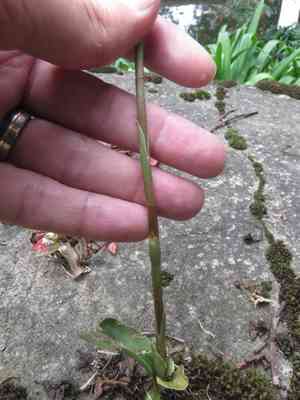
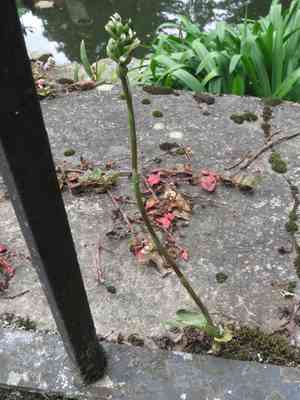
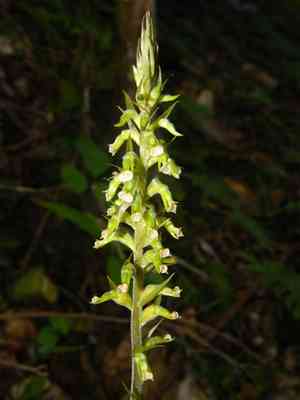
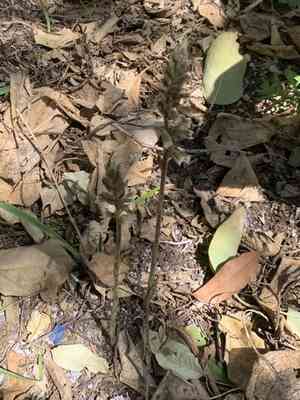
Quickly Identify Tall ladies'-tresses
1
To identify Cyclopogon elatus, look for its rosette of leaves at the base and its characteristic spiral arrangement of small, greenish flowers along a single spike.
Scientific Classification of Tall ladies'-tresses
Phylum
Vascular plants
Class
Monocotyledons
Order
Asparagales
Family
Orchid
Genus
Ladies'-tresses
Species
Tall ladies'-tresses
Planting and Growing of Tall ladies'-tresses
Care Difficulty
Hard
Watering Schedule
Every 2 days
Sunlight Requirements
Partial sun
Sunshine Duration
4-8 hours
Ideal Temperature
68-77℉
Soil Type
Potting Mix, Peat Mix
Soil pH
6.5-7.5
Fertilizer Type
Balanced
Pruning Season
Spring, Summer
Pruning Area
Branches, Leaves
Pruning Frequency
2 times a year
Repotting Season
Spring
Pot Type
Plastic, Ceramic
 How to Water Tall ladies'-tresses?
For Cyclopogon elatus, ensure the soil is evenly moistened by pouring approximately 250 ml of water. The principle is to water until you see a slight trickle from the drainage hole. This ensures the roots are moist without being submerged for too long, preventing root rot.
What are the symptoms of an underwatered Tall ladies'-tresses?
›
What should I do if my Tall ladies'-tresses is not getting enough water?
›
What are the symptoms of an overwatered Tall ladies'-tresses?
›
How to save an overwatered Tall ladies'-tresses?
›
 What Are the Sunlight Requirements for Tall ladies'-tresses?
Partial sun to full shade ensures Cyclopogon elatus remains vibrant and healthy. This range promotes balanced photosynthesis without the overstress of direct and harsh conditions improving foliage and overall growth.
Optimal Light Levels
›
Adjusting to Different Environments
›
Ensuring Healthy Growth
›
 What Is the Ideal Temperature Range for Tall ladies'-tresses?
Cyclopogon elatus thrives best in temperatures ranging from 68°F to 77°F. Within this range, the plant can perform photosynthesis efficiently, leading to optimal growth and vibrant foliage. Maintaining this temperature helps in preserving the plant's metabolic processes, ensuring it remains healthy and free of stress.
 What Soil is Best for Tall ladies'-tresses?
Cyclopogon elatus thrives in well-draining soil to prevent waterlogging which can cause root rot. This condition allows roots to access sufficient oxygen, promoting healthy root development and plant vitality. The plant requires a nutrient-rich soil composition to support its growth and flowering. A loamy soil that retains essential nutrients but allows excess water to drain ensures robust plant health and vibrant blooms. While drainage is important, the soil should also retain adequate moisture to prevent dehydration. A balance of sand and loam helps maintain the necessary moisture levels, supporting the plant's lush foliage.
 How to Fertilize Tall ladies'-tresses?
Cyclopogon elatus requires a balanced approach to fertilization to thrive. A suitable liquid fertilizer should be diluted to half strength, using about 5 ml per liter. For slow-release granules, use approximately 5 grams per pot. Adjustments may be needed based on growth observations.
 How to Prune Tall ladies'-tresses?
Begin by inspecting your Cyclopogon elatus for any leaves that are dead, brown, or damaged. These leaves should be the primary targets for pruning as removing them enhances the overall appearance and health of the plant. Cyclopogon elatus benefits from strategic pruning to maintain a pleasing shape. Focus on cutting back any wayward stems that disrupt the harmonious appearance of the plant. Consider how the plant grows naturally and aim to enhance that form. Prune just above leaf nodes or buds to stimulate new growth and branching. This approach will not only rejuvenate the plant but also encourage a fuller, bushier appearance, optimizing the plant's health and aesthetic appeal.
More About Pruning Techniques→
 How to Propagate Tall ladies'-tresses plant?
1
Begin by preparing a suitable substrate, which can include a mixture of perlite, sphagnum moss, and orchid bark for seed and division propagation. Ensure a well-draining mix to prevent root rot.
2
For seed propagation, sow the seeds evenly on the surface of the prepared substrate. Lightly press them into the substrate without covering, as they require light for germination.
3
Carefully remove the parent plant from its container and gently separate the roots and rhizomes. Ensure each division has roots and is large enough to sustain growth before replanting.
 How to Repot Tall ladies'-tresses plant?
1
Cyclopogon elatus signals it needs repotting when its roots outgrow the current pot, poking out from drainage holes, or when the soil becomes compacted, affecting drainage. The best time to address these signs is during its growing seasons, particularly in spring or early summer, when the plant is active and can quickly adapt to its new environment.
2
Select a pot that is only a couple of inches larger in diameter than the current one. A pot that's too large can lead to water retention in the soil, creating a risk for root rot. Good drainage is essential, so ensure the pot has ample drainage holes at the bottom. Choosing the right pot helps prevent overwatering and soil saturation.
3
Opt for a well-draining orchid mix comprised of bark, perlite, and sphagnum moss. This mix mimics the natural environment, allowing air to circulate around the roots while retaining enough moisture for the plant's needs. It prevents root suffocation and provides the ideal conditions for growth.



