How to Prune Pastureweed?
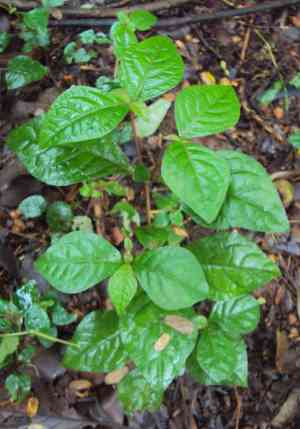
A robust herb recognized for its durability in grazing areas, pastureweed flourishes with periodic trimming. Cut back its leaves in the spring and summer seasons to encourage thick, robust development, and eliminate faded blooms to hinder self-propagation. Performing cuts during these active development phases leverages the plant's inherent strength for revitalization. Consistent trimming also assists in preserving its shape and managing its expansion, which is advantageous for garden upkeep, and fostering a verdant look.
What Are the Benefits of Pruning Pastureweed?
What Are the Benefits of Pruning Pastureweed?
Trimming pastureweed promotes robust development and maintains its form. It aids in preventing congestion, enhancing air movement, and lowering vulnerability to illness.
What Is the Best Time for Pruning Pastureweed?
What Is the Best Time for Pruning Pastureweed?
Pruning during Spring is ideal for pastureweed because this is when the plant experiences vigorous growth after a dormant winter period, allowing it to recover quickly from pruning and encourage new growth. Early Summer pruning aligns with post-flowering for pastureweed, enabling gardeners to shape the plant and promote a second growth phase while reducing the chance of disease and pest infestation that can occur with late season pruning. It's also a period preceding the hot, dry conditions of late Summer, making it less stressful for pastureweed. During these seasons, there is typically enough time for pastureweed to heal before the onset of colder temperatures.
What Tools Do I Need to Prune Pastureweed?
Hand Pruners
Perfect for trimming and shaping smaller stems and branches of pastureweed, ensuring precise and clean cuts which promote healthy regrowth.
Gardening Shears
Appropriate for quickly cutting back larger sections or managing the spread of pastureweed, while avoiding damage to the plant structure.
Glove
Hand protection when pruning pastureweed, as it may have rough or sharp edges.
Disinfectant for Tools
Crucial for preventing the spread of disease between plants after cutting pastureweed.
How to Prune Pastureweed
Sterilization
Sanitize your pruning tools with alcohol or a bleach solution to prevent the spread of disease during pruning of pastureweed.
Diseased leaves
Identify and carefully remove any diseased leaves from pastureweed using a pair of sharp scissors or pruning shears, cutting at the base of the leaf stem.
Withered leaves
Trim off withered or yellowing leaves from pastureweed to promote healthier growth and improve air circulation, making cuts close to the stem without damaging it.
Diseased stems
Cut back any diseased stems on pastureweed to healthy tissue, making angled cuts to facilitate water runoff and prevent disease entry.
Cleanup
Collect and dispose of all removed plant material from pastureweed in a sealed bag to limit the spread of any pathogens.
Common Pruning Mistakes with Pastureweed
Over-pruning
Removing too much foliage at once can stress pastureweed and stunt its growth, leading to a weakened plant thatâs more susceptible to pests and disease.
Improper Cuts
Incorrect cutting techniques can damage pastureweedâs stems, creating entry points for disease. Itâs crucial to make clean cuts at the correct angle.
Neglecting Tool Hygiene
Failing to disinfect tools before use can spread pathogens between plants, potentially infecting pastureweed with diseases.
Pruning Healthy Growth
Unnecessarily cutting away healthy growth instead of just the diseased or damaged parts can limit pastureweed's vigor and robustness.
Ignoring Plant Shape
Randomly cutting without considering the natural shape of pastureweed can lead to an unbalanced, unsightly plant that does not grow as well.
Pruning Too Short
Cutting pastureweed's stems too short can inhibit flower production, as flowering often occurs on the current or previous season's growth.
Common Pruning Tips for Pastureweed
Sharp Tools
Use sharp, clean pruning shears to make clean cuts that heal quickly, reducing the risk of disease in pastureweed.
Selective Pruning
Focus on removing only the dead, diseased, or overgrown parts of pastureweed, preserving as much healthy growth as possible.
Angle Cuts
Make cuts at a 45-degree angle, just above a leaf node or branching point, to promote healthy regrowth in pastureweed.
Pruning for Airflow
Thin out crowded areas to improve air circulation, which helps prevent fungal diseases in pastureweed.
Consider Growth Habit
Understand the growth pattern of pastureweed to prune in a way that encourages its natural shape and vigor.
Aftercare
Provide pastureweed with adequate water and possibly a light fertilizer after pruning to support recovery and new growth.



