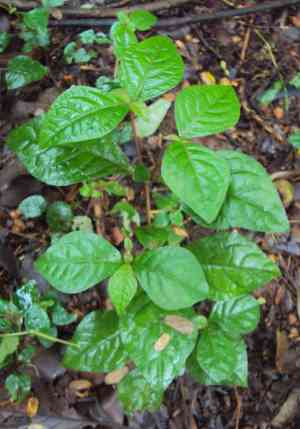
Pastureweed (Cyathula prostrata)
Also known as: Spreading Fleeceflower, Prostrate Woollyweed
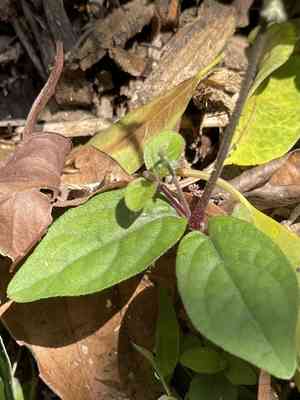
The leaves of this plant species are arranged in an opposite and decussate pattern. The petioles are short, ranging from 2 to 12 mm in length. The leaf margins are narrow and seamlessly blend into the main laminar margin. The surface of the leaves has minimal pubescence.
In This Article
Attributes of Pastureweed
Lifespan
Perennial
Plant Type
Herb
Plant Height
30 cm to 50 cm
Spread
Approximately 0.5 meters
Leaf Color
Green
Flower Size
4 cm to 35 cm
Flower Color
Yellow Green
Images of Pastureweed
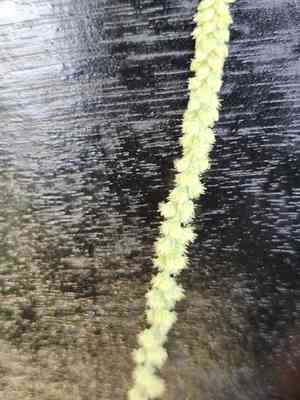
Quickly Identify Pastureweed
1
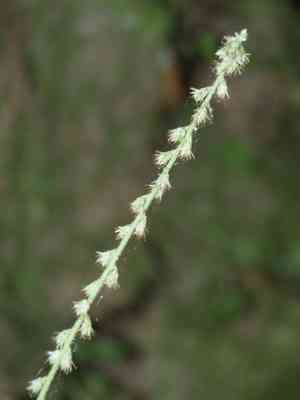
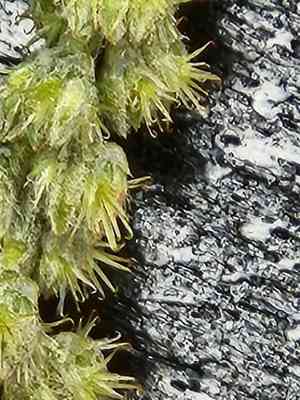
Identify the plant by its prostrate growing habit, slightly woody stems, and opposite, ovate leaves. The flowers are small, greenish, and cluster at the stem tips.
Scientific Classification of Pastureweed
Phylum
Vascular plants
Class
Dicotyledons
Order
Caryophyllales
Family
Amaranth
Genus
Cyathula
Species
Pastureweed
Planting and Growing of Pastureweed
Care Difficulty
Easy
Watering Schedule
Every 4 days
Sunlight Requirements
Partial sun
Sunshine Duration
6-10 hours
Ideal Temperature
70-85℉
Soil Type
Potting Mix, Peat Mix
Soil pH
6.5-7.5
Fertilizer Type
Balanced
Pruning Season
Spring, Summer
Pruning Area
Branches, Leaves
Pruning Frequency
2 times a year
Repotting Season
Spring
Pot Type
Plastic, Ceramic
 How to Water Pastureweed?
For Cyathula prostrata, the watering should adhere to the principle of providing enough moisture to keep the soil consistently damp but not soggy. Water thoroughly until about 200 ml has drained from the bottom, ensuring that the roots are well hydrated without causing waterlogging.
What are the symptoms of an underwatered Pastureweed?
›
What should I do if my Pastureweed is not getting enough water?
›
What are the symptoms of an overwatered Pastureweed?
›
How to save an overwatered Pastureweed?
›
 What Are the Sunlight Requirements for Pastureweed?
Partial sun and full shade ensure optimal growth. This range allows for ideal photosynthetic activity, ensuring the plant remains vibrant, healthy, and less prone to diseases due to strong structural development.
More About Sunlight Requirements Techniques→
How much sun does Cyathula prostrata need?
›
What are effective ways to provide ideal light?
›
Why is proper lighting crucial for Cyathula prostrata?
›
 What Is the Ideal Temperature Range for Pastureweed?
For Cyathula prostrata, the ideal temperature range is between 70°F and 85°F. This range provides an environment where the plant can thrive, promoting strong growth and vibrant foliage. Temperatures within this range help maintain optimal enzymatic and physiological processes necessary for healthy development.
 What Soil is Best for Pastureweed?
Cyathula prostrata thrives in well-draining soil, which prevents root rot by allowing excess water to escape easily. This characteristic is crucial to ensure the roots remain healthy and oxygenated, providing optimal conditions for the plant's growth. The plant benefits from nutrient-rich soil where organic matter is abundant. Such soil provides essential nutrients that are vital for vigorous growth and vibrant foliage, enhancing the plant's overall health and resilience. While drainage is important, the soil must also retain some moisture to keep the plant hydrated. Sandy loam and loam soils offer the right balance, supporting sustained plant health while preventing dehydration during dry periods.
 How to Fertilize Pastureweed?
Cyathula prostrata benefits from a balanced nutrient intake, where liquid fertilizer should be diluted to half-strength. Use approximately 150 ml of diluted solution per plant to ensure even distribution and prevent root burning.
 How to Prune Pastureweed?
Begin by locating any dead or damaged stems. These should be pruned away to make room for new growth and to prevent disease. Use sharp, clean pruning shears to trim the plant back to maintain a desirable shape. Aim to cut just above a leaf node to encourage bushiness. Prune the tips of the stems to promote lateral growth, which can help the plant appear fuller and more robust.
More About Pruning Techniques→
 How to Propagate Pastureweed plant?
1
Collect seeds from mature Cyathula prostrata plants, ensuring that they are dry and free from any fungal infections. If needed, perform a light scarification to enhance germination rates.
2
Choose healthy and robust shoot tips, ideally with several nodes. Remove any lower leaves and soak the cut end in rooting hormone to encourage root development.
3
For seeds, sow them evenly in nursery trays and cover lightly with soil. For cuttings, plant them in pots, ensuring at least one node is below the soil. Water sparingly to keep the soil moist but not waterlogged.
 How to Repot Pastureweed plant?
1
You should consider repotting Cyathula prostrata when you notice roots growing out of the drainage holes, the soil dries out too quickly, or the plant's growth becomes stunted. Spring to early summer is the best time to repot, as the plant is in its active growth phase, allowing it to recover quickly from the disturbance.
2
Select a pot that is 1-2 inches larger in diameter than the current one, with adequate drainage holes. A slightly larger pot provides space for root growth and reduces the chances of the plant becoming root-bound, while adequate drainage prevents waterlogging, reducing the risk of root rot.
3
A well-draining loamy soil mix is ideal for Cyathula prostrata. This type of soil provides the necessary nutrients while allowing excess water to escape, preventing root rot. Adding perlite or coarse sand can enhance drainage. Providing the right soil mix is crucial for the plant's health and growth.
Learn More About Pastureweed Diseases
Anthracnose
Bacterial Leaf Spot
Bacterial Soft Rot
Bacterial Wilt
Damping-off
Downy Mildew
Drought Stress
Fusarium Wilt
Gray Mold
Leaf Spot
Mosaic
Nutrient Deficiency
Nutrient Toxicity
Powdery Mildew
Root Rot
Root-knot Nematode
Rusts
Sooty Mold
Spider Mites
Temperature Stress
Thrips Damage
White Mold



