How to Prune Shasta cypress?
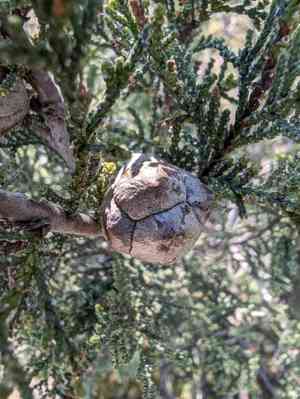
To preserve its compact, pyramidal form and control dimensions, trim shasta cypress in late winter or early spring prior to the emergence of new foliage. Eliminate any deceased, injured, or intersecting limbs to enhance air circulation and foster more vigorous development. Refrain from extensive pruning, as this can cause stress to the specimen. Gentle annual or biennial trimming assists in preserving its inherent structure. Pruning additionally stimulates sturdier branches and elevates its general visual attractiveness. Always employ sharp, sanitized implements to execute accurate cuts and reduce harm.
What Are the Benefits of Pruning Shasta Cypress?
What Are the Benefits of Pruning Shasta Cypress?
Trimming shasta cypress encourages robust development and maintains its form. Strategic cutting helps control size, improves structural soundness, and eliminates diseased or damaged limbs, fostering a healthier, more resilient specimen. Consistent pruning aids in pest and disease resistance.
What Is the Best Time for Pruning Shasta Cypress?
What Is the Best Time for Pruning Shasta Cypress?
Pruning shasta cypress in early spring or late winter is considered ideal because, during these periods, the plant is typically dormant or just beginning its new growth cycle. Dormancy lessens the risk of stress to shasta cypress, as pruning when not actively growing helps prevent shock and allows the plant to recover more efficiently. Additionally, at this time, shasta cypress has not yet produced new growth, minimizing the chance of removing new buds or hindering future development. Pruning before the seasonal growth spurt ensures a healthy and vigorous start in the spring.
What Tools Do I Need to Prune Shasta Cypress?
Hand Pruners
Perfect for clipping smaller, slender branches and managing the overall shape of shasta cypress. Ensure they are bypass pruners for cleaner cuts.
Lopping Shears
Useful for cutting thicker branches (up to 2 inches in diameter). The leverage allows for precise cuts without harming nearby foliage.
Pruning Saw
Best for removing larger, more robust branches found in mature shasta cypress specimens. The saw can handle branches that are too thick for lopping shears.
Pole Pruners
Necessary for reaching higher branches without the need for a ladder. This tool ensures safety and ease when pruning the upper parts of shasta cypress.
How to Prune Shasta Cypress
Identify
Examine shasta cypress carefully to locate diseased or withered leaves that require removal. Look for leaves that are discolored, shriveled, or show signs of illness.
Disinfect
Before beginning the trimming process, sanitize your pruning tools with a solution of rubbing alcohol or bleach to prevent the spread of disease.
Cut
Using clean, sharp pruners, carefully cut the diseased or withered leaves at their base. Make sure to make a clean cut to avoid further damaging the plant.
Dispose
Immediately discard the removed diseased and withered leaves away from shasta cypress and your garden to prevent any potential spread of pathogens.
Observe
Regularly monitor shasta cypress for any signs of new disease or wilting and repeat the pruning process as needed to maintain plant health.
Common Pruning Mistakes with Shasta Cypress
Over-pruning
Removing too much foliage at once can stress shasta cypress, leading to reduced growth and potential damage.
Improper cuts
Making cuts at the wrong angle or too close to the main stem can harm the plant, causing wounds that are slow to heal.
Pruning at the wrong time
Pruning during active growth periods can interfere with shasta cypress's natural development and lead to sap loss or dieback.
Neglecting sanitation
Using dirty or dull tools increases the risk of introducing diseases to shasta cypress, which can hinder growth or cause infections.
Common Pruning Tips for Shasta Cypress
Use sharp, clean tools
Ensure your pruning shears are sharp and sterilized to make clean cuts and prevent the spread of disease.
Cut at the right angle
Make your cuts at a slight angle away from the bud or branch to promote proper healing and direct water away from the cut site.
Remove dead or diseased branches first
Focus on removing any dead, damaged, or diseased branches to improve shasta cypress's overall health and appearance.
Thin out crowded areas
Remove crossing or crowded branches to increase light penetration and air circulation, which can enhance shasta cypress's growth and reduce the risk of disease.
Limit pruning to no more than 25%
Avoid removing more than a quarter of the plant's foliage at one time to prevent excessive stress and promote steady growth.



