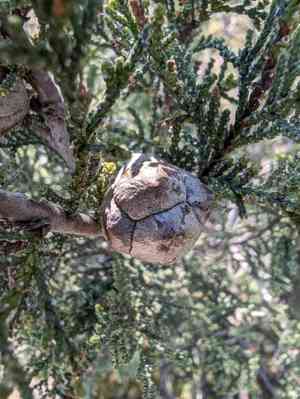
Shasta cypress (Cupressus macnabiana)
Also known as: Fragrant cypress
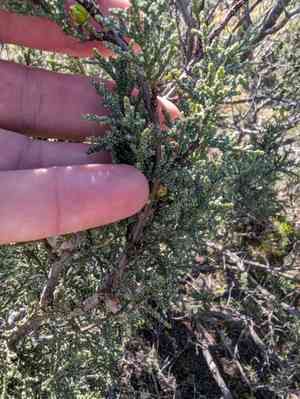
The Shasta cypress (Hesperocyparis bakeri) is a resilient evergreen conifer native to the rocky and arid terrains of Northern California. It exhibits a rugged, twisted form and a compact structure, featuring a dense crown with fine, gray-green foliage. The small, scale-like leaves give it a unique texture, complemented by the presence of spherical cones. Adapted to its fire-prone environment, the Shasta cypress has thick bark that helps it withstand wildfires, while its serotinous cones release seeds in response to the heat, ensuring regeneration after fires. These adaptations enable the Shasta cypress to thrive in its natural habitat.
In This Article
Attributes of Shasta cypress
Lifespan
Perennial
Plant Height
3.5 m to 11 m
Spread
4.5 to 6 meters (15 to 20 feet)
Leaf Color
Dark green
Flower Size
N/A (Cupressus macnabiana does not have prominent flowers)
Flower Color
N/A (Cupressus macnabiana does not have prominent flowers)
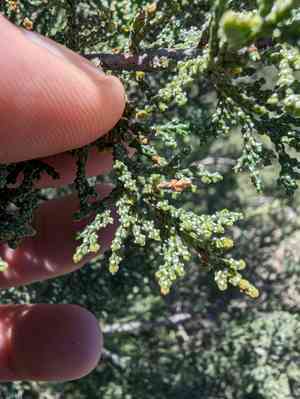
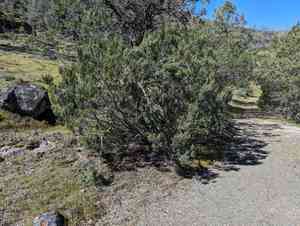
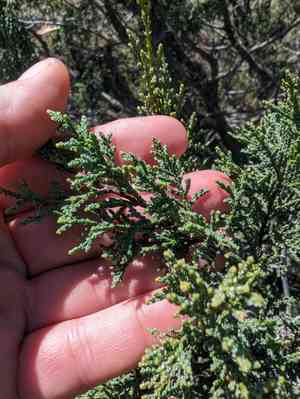
Images of Shasta cypress
Quickly Identify Shasta cypress
1
Identifying Cupressus macnabiana involves looking for its small tree or treelike shrub form, its dense, rounded crown, and its foliage which is made up of scale-like leaves. The cones are relatively small and woody.
Scientific Classification of Shasta cypress
Phylum
Vascular plants
Class
Conifers
Order
Pinales
Family
Cypress
Genus
Cypresses
Species
Shasta cypress
Planting and Growing of Shasta cypress
Care Difficulty
Moderate
Watering Schedule
Every 2 days
Sunlight Requirements
Full sun
Sunshine Duration
6-8 hours
Ideal Temperature
60-75℉
Soil Type
Potting Mix, Peat Mix
Soil pH
6.5-7.5
Fertilizer Type
Balanced
Pruning Season
Spring, Summer
Pruning Area
Branches, Leaves
Pruning Frequency
2 times a year
Repotting Season
Spring
Pot Type
Plastic, Ceramic
 How to Water Shasta cypress?
Cupressus macnabiana thrives on a principle of 'less is more.' Water until the soil is moist but not soggy, roughly 500 milliliters. The key is to ensure water reaches the root zone without causing waterlogging.
What are the symptoms of an underwatered Shasta cypress?
›
What should I do if my Shasta cypress is not getting enough water?
›
What are the symptoms of an overwatered Shasta cypress?
›
How to save an overwatered Shasta cypress?
›
 What Are the Sunlight Requirements for Shasta cypress?
Cupressus macnabiana is best suited for full sun exposure. Consistent sunlight ensures efficient photosynthesis, leading to enhanced growth and denser foliage.
What is the preferred lighting for Cupressus macnabiana?
›
What solutions can be implemented for ideal lighting?
›
What benefits will ideal lighting bring?
›
 What Is the Ideal Temperature Range for Shasta cypress?
Cupressus macnabiana thrives best in a temperature range of 60°F to 75°F. This range ensures optimal growth by providing a stable environment that supports photosynthesis and healthy metabolism. Maintaining this temperature bracket is beneficial for its overall vigor and resistance to diseases.
 What Soil is Best for Shasta cypress?
Cupressus macnabiana thrives in well-draining soil to prevent root rot. This demand ensures that excess water doesn't stagnate around the roots, maintaining the plant's health even during heavy rains. The plant prefers soil that is not overly rich. Overly fertile soil can lead to excessive growth of foliage but weak root systems. Balanced fertility aids in maintaining a robust structure and healthy foliage. Maintaining a neutral to slightly alkaline pH between 6.5 and 7.5 is crucial for nutrient absorption. This balance maximizes the plant's ability to uptake essential nutrients, crucial for optimal growth.
 How to Fertilize Shasta cypress?
Cupressus macnabiana benefits from moderate fertilizer application. For liquid fertilizers, use a balanced 10-10-10 formula mixed at half the recommended strength. For solid, slow-release fertilizers, spread about half a cup per plant, based on its size and growing conditions.
 How to Prune Shasta cypress?
Ensure you have clean, sharp pruning shears or saws suitable for the job. Clean tools reduce the risk of spreading disease. For larger branches, a pruning saw may be necessary, while smaller branches can be managed with hand pruners. When pruning, make your cuts at a 45-degree angle above a growth node. This helps prevent water from settling on the cut surface, which could lead to rot. Ensure that the cuts are clean to avoid leaving jagged edges that may invite pests or disease.
More About Pruning Techniques→
 How to Propagate Shasta cypress plant?
1
Begin by collecting seeds from mature cones. Seeds should be sown in a well-draining soil mix and kept moist. Germination may take several weeks, so patience is required.
2
Select healthy, semi-hardwood cuttings from the mother plant. Cuttings should be approximately 6 inches in length. Remove the lower leaves and dip the cut end in rooting hormone.
3
Place cuttings in a pot filled with a mix of sand and peat moss. Ensure the cutting is planted deep enough to support upright growth. Keep the pot in a warm, bright location but out of direct sunlight.
 How to Repot Shasta cypress plant?
1
Repot Cupressus macnabiana when you notice the roots circling the pot or growing out of the drainage holes. This typically indicates that the plant has outgrown its current container. Additionally, if water drains too quickly or if the tree seems stressed, it's time for a new pot.
2
Opt for a pot that is one size larger than the current one. Ensure it has adequate drainage holes to prevent waterlog. A slightly deeper pot helps accommodate the roots well, facilitating better growth and stability for your Cupressus macnabiana.
3
Choose a well-draining, sandy loam soil. This soil type mimics the plant's natural environment, promoting good drainage and preventing root rot. The sandy component ensures less compaction, allowing roots to spread adequately and absorb nutrients.



