How to Prune Teasel gourd?
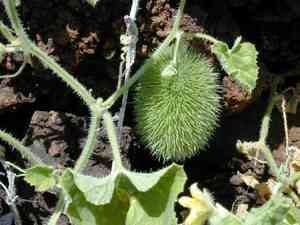
Originating from tropical climates, teasel gourd is recognized by its textured green produce and robust climbing stems. Essential pruning methods include consistent trimming to preserve form and foster air movement. The ideal period for pruning is throughout the vigorous growth phases of spring and summer, with minor adjustments in autumn. For teasel gourd specifically, pruning can considerably boost fruit yield and overall plant well-being. Eliminating deceased or excessively dense branches will deter ailments and guarantee sufficient light penetrates the plant's core.
What Are the Benefits of Pruning Teasel Gourd?
What Are the Benefits of Pruning Teasel Gourd?
Trimming teasel gourd encourages robust development and helps maintain its desired form. It facilitates an even distribution of nutrients, promoting abundant harvests.
What Is the Best Time for Pruning Teasel Gourd?
What Is the Best Time for Pruning Teasel Gourd?
Spring pruning is optimal for teasel gourd as it prepares the plant for the upcoming growing season by removing any dead or damaged branches that may have occurred during winter. Early Summer trimming can encourage a healthier growth pattern and more extensive fruiting, as it allows the plant to focus its energy on producing vigorous new growth. Autumn pruning is beneficial for teasel gourd because it helps to shape the plant and remove any parts that have fruited, reducing disease and pest risks during the dormant winter period. These seasons are conducive to the plant's natural growth cycle, ensuring that teasel gourd has the best chance for optimal health, growth, and productivity.
What Tools Do I Need to Prune Teasel Gourd?
Hand Pruners
Given the relatively small stem diameter of teasel gourd, hand pruners are suitable for making clean cuts on young or slender stems. They offer precision and can maneuver easily within the plant's foliage.
Pruning Saw
For mature plants where teasel gourd might have developed thicker stems that are harder to cut with hand pruners, a pruning saw is recommended. It is ideal for cutting through woodier growth without causing damage to the plant.
Gloves
To protect the gardener's hands from the spiny fruit and potential irritants, wearing gloves when pruning teasel gourd is advisable.
Loppers
If teasel gourd has reached a substantial size with thicker branches, loppers can be used to prune branches too large for hand pruners but not thick enough to require a saw. The long handles also provide good leverage.
Garden Shears
For trimming and shaping the foliage of teasel gourd, garden shears can be used. They allow for quick shaping of the plant and removal of minor excess growth.
How to Prune Teasel Gourd
Sanitization
Before pruning teasel gourd, clean and sterilize the pruning tools to prevent disease transmission. Use a solution of 1 part bleach to 9 parts water to disinfect the blades.
Identification
Carefully examine teasel gourd and identify the withered leaves that need to be trimmed. Look for leaves that are discolored, dry, or have any signs of decay.
Cutting Angle
Use sharp pruning shears or scissors and make a clean cut at the base of each withered leaf. Angle the cut to allow water to run off, which helps prevent disease.
Remove Debris
After cutting, gently remove all withered leaves from the plant to discourage pests and diseases. Ensure to clear the debris from the soil surface to maintain good hygiene.
Post Pruning Care
After pruning, water teasel gourd adequately to support recovery. Monitor the plant for new growth, and ensure it receives sufficient light and nutrients.
Common Pruning Mistakes with Teasel Gourd
Overpruning
Removing too much foliage or too many stems that could weaken teasel gourd by reducing its photosynthetic capability.
Stub Cuts
Leaving too long of a stub when cutting back stems can lead to disease and pest issues as these areas do not heal properly.
Neglecting Tool Hygiene
Not cleaning and disinfecting tools between uses can spread diseases to teasel gourd from other plants.
Cutting Into Old Wood
Pruning into the old, non-productive wood can damage teasel gourd. It responds better to trimming newer growth.
Improper Cut Angle
Making cuts at an incorrect angle can cause water to collect on the cut surface, potentially leading to rot or disease.
Stray Cuts
Random or unplanned cuts may harm teasel gourd's growth pattern and aesthetic shape.
Removing Too Much At Once
Taking off too much growth in a single pruning session can stress teasel gourd, potentially stunting its growth or flowering.
Common Pruning Tips for Teasel Gourd
Selective Thinning
Thin out dense areas of growth to improve air circulation and light penetration, which is crucial for teasel gourd's overall health.
Use Clean Cuts
Make precise, clean cuts to promote quick healing, using sharp and disinfected pruning tools.
Focus On Crossing And Dead Branches
Remove crossing branches to prevent damage and cut away any dead or diseased wood to maintain the health of teasel gourd.
Prune For Shape
Carefully shape teasel gourd by selectively pruning to encourage a balanced, open form that allows sunlight to reach the inner parts of the plant.
Maintain Plant Architecture
Understand the natural shape of teasel gourd and work with it, aiming to keep the plant's architectural integrity while pruning.
Encourage New Growth
Trim back the tips of teasel gourd's stems to encourage bushier growth and more flowering sites.
Post-Pruning Care
After pruning, provide teasel gourd with adequate water and nutrients to support healing and new growth.



