How to Prune Wendt's water trumpet?
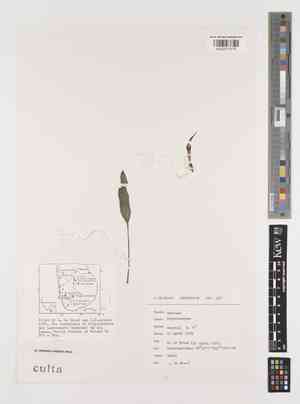
A favored aquatic flora for tanks, wendt's water trumpet flourishes submerged, displaying rich, textured foliage. To achieve peak development, perform trimming in spring, summer, or autumn by cutting back any discolored or deteriorating leaves near the base. Consistent trimming ensures plant well-being and stimulates denser foliage, preventing decomposition from negatively impacting water conditions. Reducing the length of extended leaves can foster a more compact look and improve light access for lower leaves, which is vital for preserving the plant's vigor and the tank's visual appeal.
What Are the Benefits of Pruning Wendt's Water Trumpet?
What Are the Benefits of Pruning Wendt's Water Trumpet?
Trimming wendt's water trumpet promotes robust development and maintains its compact form. Regular cutting helps revitalize older leaves and stems, ensuring vibrant, healthy foliage and an attractive aquascape.
What Is the Best Time for Pruning Wendt's Water Trumpet?
What Is the Best Time for Pruning Wendt's Water Trumpet?
For wendt's water trumpet, ideal pruning during Spring, Summer, and Fall aligns with its active growth phases. During these seasons, wendt's water trumpet is typically in a period of vigorous growth, allowing it to recover more effectively and maintain strong health after pruning. Spring pruning helps stimulate new growth, enhance the plant's shape, and improve its overall vitality. Summer pruning is beneficial for removing any dead or yellowing leaves, thus preventing decay and potential disease spread within aquatic setups. Fall pruning prepares wendt's water trumpet for the slower winter period, potentially enhancing resource allocation to the roots, ensuring better survival and vigor in the subsequent growing season.
What Tools Do I Need to Prune Wendt's Water Trumpet?
Aquascaping Scissors
These scissor types are specifically designed for trimming aquatic plants like wendt's water trumpet. Their long handles and sharp, curved blades allow precise cuts without disturbing the surrounding water or damaging other delicate plant parts.
Tweezers or Forceps
These are essential for fine-tuning the pruning of wendt's water trumpet, especially useful for removing dead or decaying leaves at the plant base, which is typically submerged. The precision tip helps reach narrow spaces without uprooting nearby plants.
Razor Blade
For removing older, tougher leaves of wendt's water trumpet, a razor blade can provide the precision necessary without tearing the leaves, allowing for clean cuts that promote healthier growth.
Substrate Spatula
While not a direct pruning tool, a substrate spatula can be employed after pruning wendt's water trumpet to carefully rearrange or smooth out the substrate near the plant base, encouraging proper growth and minimizing root disturbance.
How to Prune Wendt's Water Trumpet
Identify
Identify and remove any diseased leaves from wendt's water trumpet by gently pinching at the base of the leaf stalk. Ensure not to pull too harshly to avoid damaging the plant's roots.
Trim withered leaves
Trim withered or yellowing leaves to promote healthier growth. Use sharp, sterile scissors to cut the leaves at the base without harming the healthy surrounding foliage.
Remove dead branches
Carefully remove any dead branches by cutting them at the point of origin to maintain a clean aquatic environment and encourage new growth.
Disinfect
Clean the pruning tools with a solution of 1 part bleach to 9 parts water after removing diseased parts to prevent the spread of infection to healthy parts of wendt's water trumpet.
Monitor health
Regularly monitor wendt's water trumpet for further signs of stress or disease. Healthy maintenance through consistent monitoring will aid in the vitality and appearance of the plant.
Common Pruning Mistakes with Wendt's Water Trumpet
Over-pruning
A common mistake is removing too many leaves at once, which can stress wendt's water trumpet and impede its ability to photosynthesize efficiently.
Incorrect tools
Using dull or unclean tools can damage the delicate leaves of wendt's water trumpet, potentially introducing disease.
Improper technique
Cutting leaves indiscriminately rather than targeting old or unhealthy foliage can lead to uneven growth and weaken the plant.
Common Pruning Tips for Wendt's Water Trumpet
Selective removal
Focus on removing yellow, brown, or damaged leaves at the base to promote better growth and overall plant health. Use sharp and clean scissors to make precise cuts.
Encourage new growth
Trimming the outer leaves occasionally can help encourage fuller growth from the center, ensuring a more robust appearance of wendt's water trumpet.
Post-pruning care
After pruning, ensure optimal care by adjusting water parameters and nutrient supply, as pruned plants may have altered needs.



