
Wendt's water trumpet (Cryptocoryne wendtii)
Also known as: Wendtii's Crypt, Water Trumpet, Wendtii Crypt
An example of a highly variable species with numerous forms of differing taxonomic status is "Tropica." Among these forms, the "Mi Oya" variant, named after the Mi Oya river in Sri Lanka, stands out.
In This Article
Attributes of Wendt's water trumpet
Lifespan
Perennial
Plant Type
Herb
Plant Height
10-15 cm
Spread
Varies, typically 10-20 cm
Leaf Color
Green Bronze Brown
Flower Size
N/A
Flower Color
White
Images of Wendt's water trumpet
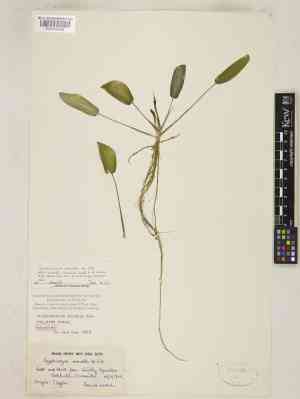
Quickly Identify Wendt's water trumpet
1
Look for dark green to brown leaves that are usually slightly wavy and lance-shaped. The leaves can vary in size and color depending on the environmental conditions.
Scientific Classification of Wendt's water trumpet
Phylum
Vascular plants
Class
Monocotyledons
Order
Alismatales
Family
Arum
Genus
Water trumpet
Species
Wendt's water trumpet
Planting and Growing of Wendt's water trumpet
Care Difficulty
Easy
Watering Schedule
Every 2 days
Sunlight Requirements
Partial sun
Sunshine Duration
6-12 hours
Ideal Temperature
72-78℉
Soil Type
Potting Mix, Peat Mix
Soil pH
6.5-7.5
Fertilizer Type
Balanced
Pruning Season
Spring, Summer
Pruning Area
Branches, Leaves
Pruning Frequency
2 times a year
Repotting Season
Spring
Pot Type
Plastic, Ceramic
 How to Water Wendt's water trumpet?
For Cryptocoryne wendtii, the key to watering is moderation, ensuring the soil is thoroughly moistened without becoming waterlogged. Aim to pour approximately 200ml each time, just enough to soak the soil without leaving excess water pooling at the bottom.
What are the symptoms of an underwatered Wendt's water trumpet?
›
What should I do if my Wendt's water trumpet is not getting enough water?
›
What are the symptoms of an overwatered Wendt's water trumpet?
›
How to save an overwatered Wendt's water trumpet?
›
 What Are the Sunlight Requirements for Wendt's water trumpet?
Partial sun allows Cryptocoryne wendtii to thrive with optimal photosynthesis, promoting healthy foliage and extensive root development, enhancing aquarium ecosystems.
What is the ideal light for Cryptocoryne wendtii?
›
How can I achieve ideal lighting conditions for this plant?
›
What are the benefits of ideal lighting for Cryptocoryne wendtii?
›
 What Is the Ideal Temperature Range for Wendt's water trumpet?
Cryptocoryne wendtii thrives in a stable temperature range of 72°F to 78°F. This range ensures optimal metabolic function, growth, and overall health of the plant. Providing consistent temperatures within this range minimizes stress on the plant, facilitating efficient nutrient uptake and photosynthesis. Maintaining this range also mimics its native habitat conditions, which is crucial for replicating natural growth patterns.
 What Soil is Best for Wendt's water trumpet?
Cryptocoryne wendtii thrives in nutrient-rich soil which supports its lush foliage and vibrant growth. A substrate that can retain nutrients will ensure the plant receives constant access to essential minerals, enhancing its natural beauty. The plant favors soils that retain moisture, ensuring that its root system remains hydrated. This trait prevents the plant from drying out and contributes to a stable underwater environment, mimicking its natural habitat. While Cryptocoryne wendtii appreciates moisture, it needs well-drained soil to prevent rot. Proper drainage keeps the roots healthy by allowing excess water to escape, preventing potential root disease.
 How to Fertilize Wendt's water trumpet?
For Cryptocoryne wendtii, it is important to strike the right balance with fertilizer. Typically, a standard dose of liquid fertilizer is around 1 milliliter per gallon of water or according to the manufacturer’s instructions. Solid fertilizers should not be overused; a few pellets near the plant base are often adequate.
 How to Prune Wendt's water trumpet?
Begin by examining Cryptocoryne wendtii for any leaves that appear yellow, brown, or decaying. These parts should be the primary targets for removal, as they can harbor pests or diseases and interrupt healthy growth. Ensure you are using sharp scissors or pruning shears that have been cleaned and sterilized. This minimizes the risk of introducing harmful pathogens to the plant during the pruning process. Carefully snip the selected leaves as close to the base as possible without damaging the healthy parts of the plant. This helps the plant recover quicker and focus nutrients on new growth. After pruning, ensure you remove all trimmed leaves and debris from the water to prevent them from decomposing, which can affect the water quality and the health of other plants and aquatic life.
More About Pruning Techniques→
 How to Propagate Wendt's water trumpet plant?
1
Start by identifying a healthy rhizome that can be divided. Look for brown, firm structures that sprout horizontally beneath the plant. Once located, gently loosen the plant from the soil, being careful to avoid disturbing other plants.
2
Use sharp scissors or a knife to make clean cuts through the rhizome structure, ensuring each division has one or two leaves. Avoid shredding or tearing the tissue as it can introduce stress and increase disease susceptibility.
3
Place each divided section into its new container or location in the substrate. Plant them at the same depth as they were growing previously. Water efficiently and ensure the rhizome is covered with substrate for stability.
 How to Repot Wendt's water trumpet plant?
1
Repot Cryptocoryne wendtii when you notice roots are heavily circling the pot or growing through the drainage holes. These signs indicate the plant is outgrowing its current space and needs a larger pot to continue thriving. Spring or early summer is the ideal time to repot as the plant is actively growing.
2
Select a pot that is one to two inches larger in diameter than the current one to allow room for growth. Make sure it has good drainage to prevent waterlogging, which can lead to root rot. A pot with a drainage hole ensures excess water escapes, maintaining a healthy root environment.
3
Opt for a nutrient-rich soil that retains some moisture but drains well to prevent soggy conditions. A mix of garden soil, coir, and a bit of sand works well. This mix supports healthy root development and provides necessary nutrients for vibrant growth.



