How to Prune Woolly croton?
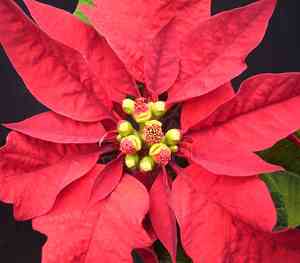
This enduring herbaceous species, distinguished by its silver-green foliage and yellow-green blossoms, flourishes in arid, exposed environments. Effective trimming for woolly croton entails shortening stems to a robust cluster of leaves or nascent buds, diminishing its dimensions without distorting its form. The most suitable period for pruning is early spring, immediately preceding the commencement of vigorous development, thereby boosting the plant's vitality. Trimming woolly croton fosters denser growth, potentially elevating its resilience against infestations and ailments, concurrently stimulating a greater profusion of flowers.
What Are the Benefits of Pruning Woolly Croton?
What Are the Benefits of Pruning Woolly Croton?
Trimming woolly croton promotes robust development and maintains its intended form. By eliminating dead or overgrown limbs, light and air reach the plant more effectively, fostering a healthier and more attractive shape.
What Is the Best Time for Pruning Woolly Croton?
What Is the Best Time for Pruning Woolly Croton?
Pruning or trimming woolly croton in early spring is beneficial because this period follows the plant's winter dormancy and precedes its active growth phase. This timing allows woolly croton to direct its energy towards new growth and recovery from pruning stress. Additionally, the risk of pest and disease intrusion is lower in early spring, reducing the chances of woolly croton experiencing complications from fresh pruning wounds. Pruning before new growth begins ensures the plant's shape is maintained, and unwanted or damaged branches are removed, promoting a healthier and more aesthetically pleasing plant structure. By following this pruning schedule, gardeners can ensure that woolly croton has ample opportunity to flourish during its growth cycle while minimizing recovery time and susceptibility to external stressors.
What Tools Do I Need to Prune Woolly Croton?
Hand pruners
Perfect for cutting smaller stems and branches on woolly croton, hand pruners ensure clean cuts without harming the plant.
Pruning saw
For mature woolly croton with thicker branches that hand pruners cannot manage, a pruning saw provides precise cuts on larger wood.
Lopping shears
Designed for slightly larger branches, typically up to 1.5 inches in diameter, lopping shears are suitable for woolly croton when shaping or thinning is needed.
Gloves
Protective gloves are crucial to shield hands from the woolly crotonâs sap, which can irritate skin, and from any thorns or rough branches.
Disinfectant
To prevent disease transmission, tools should be sanitized before and after use on woolly croton.
How to Prune Woolly Croton
Disinfect Tools
Before beginning, sanitize all pruning tools with isopropyl alcohol or a bleach solution to prevent disease spread to woolly croton.
Remove Diseased Leaves
Carefully remove any diseased leaves from woolly croton using clean, sharp scissors or secateurs, cutting close to the stem without causing damage.
Trim Withered Leaves
Identify and prune away withered leaves from woolly croton to enhance air circulation and direct the plant's energy towards healthier growth. Snip them off where the leaf stem meets the main branch.
Eliminate Dead Branches
Cut back dead branches on woolly croton at the point where they meet healthy wood, ensuring a clean cut to promote proper healing. Use pruning shears or a handsaw depending on thickness.
Prune Diseased Branches
Remove any diseased branches from woolly croton by making cuts several inches into healthy tissue to ensure complete removal of infected parts. Seal larger cuts on branches to protect against pathogens.
Common Pruning Mistakes with Woolly Croton
Over-Pruning
Removing too much foliage from woolly croton at once can stress the plant, leading to shock, or reduced vigor and flowering.
Uneven Cuts
Making jagged or uneven cuts can harm woolly croton's branches, creating wounds susceptible to pests and diseases.
Ignoring Dead/Diseased Branches
Failing to remove dead or diseased branches from woolly croton can hinder healthy growth and spread disease.
Removing Too Much Old Growth
Excessively cutting away old growth can prevent woolly croton from developing a strong structural framework.
Not Sanitizing Tools
Using unsanitized tools can spread disease between plants and negatively impact woolly croton's health.
Common Pruning Tips for Woolly Croton
Sharp Tools
Use sharp, clean pruning shears to make precise cuts that will heal quickly and minimize disease risk.
Strategic Thinning
Thin out dense areas of woolly croton to improve light penetration and air circulation, which can enhance overall plant health and vigor.
Shape Maintenance
Regularly trim woolly croton to maintain the desired shape and size while being careful not to cut into the woody base, as this can prevent regrowth.
Healthy Growth
Prune woolly croton just above a node or bud that faces the direction you wish new growth to follow. This encourages a fuller, bushier form.
Disease Prevention
Immediately remove any dead, damaged, or diseased branches to prevent problem spread and encourage woolly croton to produce healthy growth.



