
Woolly croton (Croton lindheimeri)
Also known as: Lindheimer's doveweed
Woolly croton (Croton capitatus) is a distinctive deciduous shrub known for its silver-green, lance-shaped leaves that lend a unique texture to landscapes. As it grows, it produces small, understated flowers that are often overshadowed by its foliage. Native to the arid regions of North America, this shrub is well-suited to dry conditions, requiring little water to thrive. Its adaptations include a deep taproot system that allows access to deeper water sources, making it resilient in drought-prone environments.
In This Article
Attributes of Woolly croton
Lifespan
Perennial
Plant Type
Shrub
Plant Height
91 cm to 1.8 m
Spread
0.5 meters
Leaf Color
Green
Flower Size
0.2 to 0.5 centimeters
Flower Color
White or Yellow
Images of Woolly croton
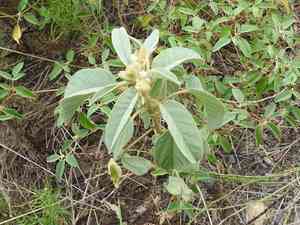
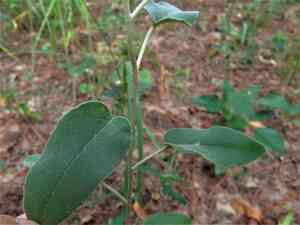
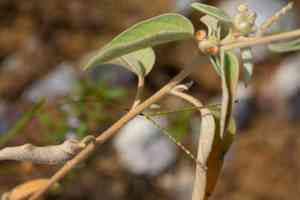
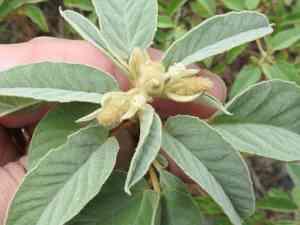
Quickly Identify Woolly croton
1
Typically identified by its slender stems and hairy leaves that are lance-shaped. The plant often has small, star-shaped flowers.
Scientific Classification of Woolly croton
Phylum
Vascular plants
Class
Dicotyledons
Order
Malpighiales
Family
Spurge
Genus
Rushfoils
Species
Woolly croton
Planting and Growing of Woolly croton
Care Difficulty
Easy
Watering Schedule
Every 2 days
Sunlight Requirements
Full sun
Sunshine Duration
6-10 hours
Ideal Temperature
65-75℉
Soil Type
Potting Mix, Peat Mix
Soil pH
6.5-7.5
Fertilizer Type
Balanced
Pruning Season
Spring, Summer
Pruning Area
Branches, Leaves
Pruning Frequency
2 times a year
Repotting Season
Spring
Pot Type
Plastic, Ceramic
 How to Water Woolly croton?
Croton lindheimeri appreciates deep watering that thoroughly moistens the soil but doesn't leave it waterlogged. This ensures that the roots are encouraged to grow deep and strong, improving the plant's resilience and health. A deep soak with about 500 ml ensures moisture reaches the deeper roots without over-saturating.
What are the symptoms of an underwatered Woolly croton?
›
What should I do if my Woolly croton is not getting enough water?
›
What are the symptoms of an overwatered Woolly croton?
›
How to save an overwatered Woolly croton?
›
 What Are the Sunlight Requirements for Woolly croton?
Croton lindheimeri thrives in full to partial sun, which provides a balance that promotes full leaf coloration and robust growth. Ideal light conditions enhance its visual impact and ensure vigorous health.
Optimal Sunlight
›
Avoiding Overexposure
›
Promoting Growth
›
 What Is the Ideal Temperature Range for Woolly croton?
Croton lindheimeri thrives best in temperatures between 65°F and 75°F. This range ensures optimal physiological processes, including photosynthesis and nutrient uptake, leading to robust growth. Maintaining this temperature stabilizes the plant's cellular functions and promotes healthy foliage.
 What Soil is Best for Woolly croton?
Croton lindheimeri thrives in well-draining soil to prevent water stagnation that can lead to root rot. Ensuring the soil allows excess water to escape quickly helps maintain healthy root systems and vigorous plant growth. This plant benefits from soil with moderate fertility levels. Balanced nutrient content is essential to support growth and enhance foliage vibrancy without risking nutrient burn or deficiency. The soil pH for Croton lindheimeri should ideally be between 6.5 and 7.5, providing an optimal range for nutrient availability and absorption. Maintaining this pH level aids in maintaining healthy plant development.
 How to Fertilize Woolly croton?
Croton lindheimeri requires careful fertilization due to its specific nutritional needs. For liquid fertilizers, use a balanced 10-10-10 NPK mix diluted to half-strength. Apply no more than 1 liter per application to avoid over-fertilization.
 How to Prune Woolly croton?
First, familiarize yourself with the structure of Croton lindheimeri. Identify the main stems and the lateral shoots. This will help you determine which parts need pruning to promote air circulation and sunlight penetration. Use sharp, sterilized pruning shears to cut at a 45-degree angle. Start with removing any dead or diseased branches. Next, focus on branches that are growing inward or crossing other branches, cutting them back to promote an open, airy structure. After removing the problematic branches, shape the plant by selectively trimming shoots to maintain a pleasing, balanced form. This is crucial for both aesthetic value and ensuring healthy, robust growth throughout the seasons.
More About Pruning Techniques→
 How to Propagate Woolly croton plant?
1
Start by obtaining quality seeds from a reliable source. Soak them in warm water for 12-24 hours to soften the seed coat, which can enhance germination rates by giving moisture direct access to the embryo.
2
Select healthy, disease-free branches from the parent plant, cutting below a node at a length of around 4 to 6 inches. Remove any leaves from the lower half, dip the cut end in rooting hormone, and plant it in a moist growing medium.
3
Create a mini greenhouse effect by covering the tray or pot with a plastic bag. Place it in a warm, bright location but make sure it’s out of direct sunlight to prevent overheating.
 How to Repot Woolly croton plant?
1
Look for slow growth, root-bound pot, and diminished soil drainage; these are signs your Croton lindheimeri needs repotting. Ideally, repot in early spring or summer to encourage new growth.
2
Pick a pot just one size larger with adequate drainage holes to avoid waterlogging. The slightly larger space allows for root expansion, promoting healthier growth and preventing over-watering.
3
Choose well-draining soil rich in organic matter. This soil type retains adequate moisture without becoming soggy, crucial for Croton lindheimeri's roots to thrive and prevent root rot.
Toxicity
Ingestion, skin contact
WARNING
The judgment on toxicity and danger is for reference only. We DO NOT GUARANTEE any accuracy of such judgment. Therefore, you SHALL NOT rely on such judgment. It is IMPORTANT TO SEEK PROFESSIONAL ADVICE in advance when necessary.
Learn More About Woolly croton Diseases
Anthracnose
Bacterial Leaf Spot
Bacterial Soft Rot
Bacterial Wilt
Chemical Injury
Damping-off
Downy Mildew
Drought Stress
Fusarium Wilt
Gray Mold
Leaf Spot
Mosaic
Nutrient Deficiency
Nutrient Toxicity
Powdery Mildew
Root Rot
Root-knot Nematode
Rusts
Sooty Mold
Spider Mites
Temperature Stress
Thrips Damage
White Mold



