How to Prune Arrowhead rattlebox?
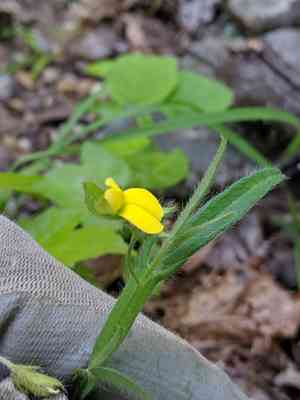
This unique botanical specimen, characterized by its arrow-like foliage and resonant seed capsules, thrives with judicious trimming to foster robust development and avert excessive density. Essential pruning strategies for arrowhead rattlebox entail excising deceased or frail stalks and shortening elongated shoots to improve air circulation and light exposure. The most favorable periods for pruning are post-flowering in spring, or throughout summer and early autumn, to ready the plant for its subsequent growth phase. Consistent trimming additionally aids in preserving an attractive form and diminishes the likelihood of ailments.
What Are the Benefits of Pruning Arrowhead Rattlebox?
What Are the Benefits of Pruning Arrowhead Rattlebox?
Trimming arrowhead rattlebox encourages robust development and maintains its desired form. Consistent cutting helps manage its dimensions, ensuring a compact, appealing look while boosting the plant's overall vigor and well-being.
What Is the Best Time for Pruning Arrowhead Rattlebox?
What Is the Best Time for Pruning Arrowhead Rattlebox?
Pruning arrowhead rattlebox during Spring, Summer, and Fall aligns with its active growth phases, which allows the plant to heal quickly and encourage new growth effectively. In Spring, trimming before the onset of new growth helps in removing any dead or damaged parts from winter, setting the stage for robust growth. During Summer, light pruning helps in maintaining the shape and managing any unruly growth, ensuring that the plant remains vibrant and healthy. Pruning in Fall is advantageous as it prepares arrowhead rattlebox for winter by removing old growth and reducing the load on the plant's root system, which is crucial for its survival during the colder months.
What Tools Do I Need to Prune Arrowhead Rattlebox?
Hand Pruners
Perfect for clipping stems and slender branches of arrowhead rattlebox due to its typically fine, fibrous texture. They offer the precision required for clean cuts, which aids in preserving plant health.
Pruning Shears
Suitable for moderate trimming, especially for shaping or removing thicker stems that hand pruners may struggle with. Ensuring sharp blades will prevent damage to the plant tissues.
Gardening Gloves
Recommended to protect the hands from potential irritants on the plant or sharp edges during the pruning process. This is crucial for handling arrowhead rattlebox safely and comfortably.
How to Prune Arrowhead Rattlebox
Identify withered leaves
Examine arrowhead rattlebox thoroughly to locate all shriveled, yellowed, or deceased foliage. These are typically found closer to the base of the plant or in areas receiving less light.
Prepare tools
Prepare your pruning shears by ensuring they are clean and sharp. This helps prevent the spread of disease and provides a clean cut that is healthier for arrowhead rattlebox and promotes quicker healing.
Remove leaves
Using your shears, snip the withered leaves at the base where they attach to the stem. Make sure to cut close to the stem without damaging it to encourage healthier resprouting.
Clean up
Remove all cuttings from around the base of arrowhead rattlebox to prevent any potential spread of pests or diseases. Dispose of or compost the removed leaves responsibly.
Monitor health
Regularly monitor arrowhead rattlebox after pruning for signs of new growth or distress. Adjust care practices as necessary to maintain the health and vigor.
Common Pruning Mistakes with Arrowhead Rattlebox
Over-pruning
Gardeners sometimes remove too much of arrowhead rattlebox's foliage in an attempt to shape the plant or induce growth, risking the plant's health by reducing its ability to photosynthesize effectively.
Incorrect cutting technique
Cutting arrowhead rattlebox's stems at improper angles or using dull tools can damage the plant tissues, leading to poor healing of cuts and increased susceptibility to diseases.
Pruning at the wrong time
Though the best seasons for pruning are not to be specified, pruning arrowhead rattlebox at incorrect times within the season can interfere with its developmental and flowering cycles.
Common Pruning Tips for Arrowhead Rattlebox
Use sharp, clean tools
Ensure pruning shears are well-maintained and disinfected to make clean cuts that heal quickly, minimizing the risk of infection.
Prune for health
Remove diseased, damaged, or dead parts of arrowhead rattlebox first to prevent the spread of potential infections and to clean up the plant's appearance.
Encourage airflow and light penetration
Thin out dense areas of arrowhead rattlebox to facilitate better air circulation and light reach, which are crucial for reducing pest attacks and fungal growth.
Focus on shaping for growth
While shaping, consider the natural form of arrowhead rattlebox. Avoid excessive trimming to maintain energy reserves and promote robust flowering and growth.



