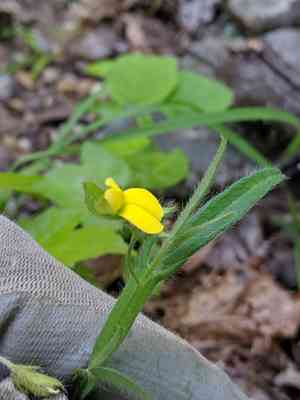
Arrowhead rattlebox (Crotalaria sagittalis)
Also known as: Rattlebox
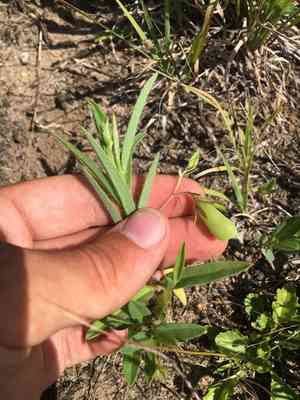
The arrowhead rattlebox (Crotalaria sagittalis) is an annual herb notable for its unique arrowhead-shaped leaves and bright yellow, pea-like flowers. It thrives in well-drained, sandy or loamy soils and prefers sunny locations, although it can tolerate partial shade. The plant is characterized by its upright growth and distinctive seed pods that produce a rattling sound when shaken, aiding in seed dispersal. Typically, the arrowhead rattlebox grows to about a foot in height, making it a modest yet appealing addition to various habitats, including prairies and open woodlands.
In This Article
Attributes of Arrowhead rattlebox
Lifespan
Annual, Perennial
Plant Type
Herb
Plant Height
10 cm to 41 cm
Spread
N/A
Leaf Color
Green
Flower Size
Approximately 1 to 2 cm
Flower Color
Yellow
Images of Arrowhead rattlebox
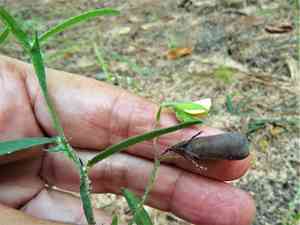
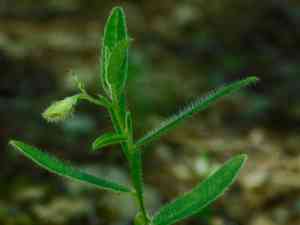
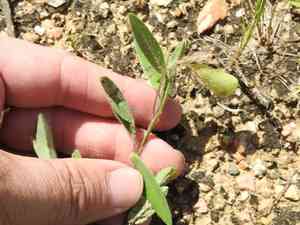
Quickly Identify Arrowhead rattlebox
1
Crotalaria sagittalis can be identified by its arrowhead-shaped leaves, small yellow flowers, and distinctive seed pods that rattle when dry.
Scientific Classification of Arrowhead rattlebox
Phylum
Vascular plants
Class
Dicotyledons
Order
Fabales
Family
Legume
Genus
longbeak rattlebox
Species
Arrowhead rattlebox
Planting and Growing of Arrowhead rattlebox
Care Difficulty
Easy
Watering Schedule
Every 2 days
Sunlight Requirements
Full sun
Sunshine Duration
6-12 hours
Ideal Temperature
70-85℉
Soil Type
Potting Mix, Peat Mix
Soil pH
6.5-7.5
Fertilizer Type
Balanced
Pruning Season
Spring, Summer
Pruning Area
Branches, Leaves
Pruning Frequency
2 times a year
Repotting Season
Spring
Pot Type
Plastic, Ceramic
 How to Water Arrowhead rattlebox?
Crotalaria sagittalis benefits from a moderate watering regime; ensure that the soil is evenly moist but not waterlogged. Aim for approximately 200 milliliters each time, adjusting based on the plant's size and container's drainage capability.
What are the symptoms of an underwatered Arrowhead rattlebox?
›
What should I do if my Arrowhead rattlebox is not getting enough water?
›
What are the symptoms of an overwatered Arrowhead rattlebox?
›
How to save an overwatered Arrowhead rattlebox?
›
 What Are the Sunlight Requirements for Arrowhead rattlebox?
Crotalaria sagittalis thrives in full sun to partial sun conditions. Adequate lighting enhances photosynthesis, encourages lush foliage, and ensures vibrant, prolific flowering.
How much sunlight does Crotalaria sagittalis ideally need?
›
What are the solutions to achieving ideal sunlight exposure?
›
What are the benefits of achieving ideal light conditions for this plant?
›
 What Is the Ideal Temperature Range for Arrowhead rattlebox?
The ideal temperature range for Crotalaria sagittalis is between 70°F and 85°F. This range ensures optimal photosynthesis and growth, providing the necessary warmth for this species. It mimics its native environment and supports healthy leaf and flower development.
 What Soil is Best for Arrowhead rattlebox?
Crotalaria sagittalis thrives best in well-drained soils, which prevent waterlogging and root rot, ensuring a healthy root system and vibrant growth. This plant benefits from soils enriched with organic matter, promoting vigorous growth and flowering due to a readily available nutrient supply. A light soil texture is crucial, allowing easy root penetration and aeration, promoting robustness and overall plant health.
 How to Fertilize Arrowhead rattlebox?
For Crotalaria sagittalis, use a balanced liquid fertilizer diluted to half strength to avoid nutrient burn once every two weeks. For slow-release solid fertilizers, apply them according to the package instructions to provide sustained nutrients throughout the growing season.
 How to Prune Arrowhead rattlebox?
Start by trimming back any overly long branches to maintain an attractive shape, being sure to cut just above a healthy node. Keep an open center to the plant, which helps light penetrate and stimulates inner growth. Focus on encouraging a balanced shape by cutting back about one-third of the plant’s growth. Perform your pruning during the early morning or late afternoon to minimize stress on the plant. Avoid pruning during the hottest part of the day to prevent stress. Make clean cuts at a 45-degree angle to promote better healing and direct plant growth.
More About Pruning Techniques→
 How to Propagate Arrowhead rattlebox plant?
1
Fill seed trays with potting mix, ensuring an even surface. Avoid compacting the soil too tightly, as this can hinder drainage. Moisten the soil thoroughly before sowing the seeds, making sure it's damp but not waterlogged.
2
Sprinkle the Crotalaria sagittalis seeds evenly over the moistened soil surface. Lightly press the seeds into the soil using your fingers to ensure good seed-to-soil contact. Cover the seeds with a thin layer of potting mix to protect them and help maintain moisture.
3
Place the seed trays in a location with bright, indirect sunlight. Use a plastic cover or a propagator lid to maintain humidity. Keep the soil consistently moist by misting it regularly with water, but be careful to avoid overwatering, which can cause seed rot.
 How to Repot Arrowhead rattlebox plant?
1
Repot Crotalaria sagittalis when you notice roots emerging from the drainage holes or the soil seems compacted. Spring and summer are ideal, as the plant is in active growth and better able to recover.
2
Select a pot that's one size larger with excellent drainage to prevent water logging. Clay pots are ideal as they wick away excess moisture, helping prevent root rot. A well-selected pot supports healthy root and foliage growth.
3
Choose a sandy, well-draining soil mix to emulate the natural habitat of Crotalaria sagittalis. This prevents water retention and promotes aeration, ensuring healthy root development and reducing disease risk.
Toxicity
Ingestion
WARNING
The judgment on toxicity and danger is for reference only. We DO NOT GUARANTEE any accuracy of such judgment. Therefore, you SHALL NOT rely on such judgment. It is IMPORTANT TO SEEK PROFESSIONAL ADVICE in advance when necessary.
Learn More About Arrowhead rattlebox Diseases
Anthracnose
Bacterial Leaf Spot
Bacterial Wilt
Chemical Injury
Cyst Nematode
Damping-off
Downy Mildew
Drought Stress
Fusarium Wilt
Gray Mold
Leaf Spot
Mosaic
Nutrient Deficiency
Nutrient Toxicity
Powdery Mildew
Root Rot
Root-knot Nematode
Rusts
Sooty Mold
Spider Mites
Temperature Stress
Thrips Damage
White Mold



