How to Prune Shining rattlepod?
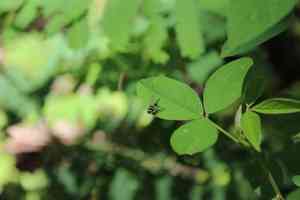
Recognizable by its distinctive rattling seed capsules, shining rattlepod flourishes with careful trimming. Cut back elongated stalks and deceased matter in early spring or late winter, fostering a dense growth pattern and aiding revitalization. Performing this maintenance during these periods leverages shining rattlepod's inherent dormant phase for peak recuperation and blossom development. Consistent elimination of faded blooms can additionally stimulate more flowering, boosting the aesthetic value of shining rattlepod. Always employ sanitized, sharp implements to avert pathogen spread.
What Are the Benefits of Pruning Shining Rattlepod?
What Are the Benefits of Pruning Shining Rattlepod?
Trimming shining rattlepod encourages robust development and helps maintain a desired form. By selectively removing overgrown branches, the plant can direct energy towards producing strong new foliage and keep an attractive shape.
What Is the Best Time for Pruning Shining Rattlepod?
What Is the Best Time for Pruning Shining Rattlepod?
Pruning shining rattlepod in late winter or early spring is advisable as the plant is dormant, which minimizes stress and promotes vigorous growth once the active season begins. During this period, the absence of leaves allows for better visibility of the plant's structure, enabling more precise cuts and removal of any dead or diseased wood before new growth emerges. Furthermore, pruning before warmer weather arrives helps prevent the spread of disease-causing organisms that may be more active in moist conditions. This timing aligns with shining rattlepod's natural growth cycle, allowing for recovery and ensuring energy is directed towards producing strong new growth and an abundant flowering period.
What Tools Do I Need to Prune Shining Rattlepod?
Hand Pruners
Perfect for trimming smaller stems and branches, hand pruners allow for accurate cuts and can easily manage the typical stem thickness of shining rattlepod.
Lopping Shears
These are useful when dealing with thicker stems or branches of shining rattlepod that hand pruners cannot handle. The long handles provide leverage to make clean cuts without straining the gardener's hands.
Pruning Saw
For the largest branches of shining rattlepod that lopping shears cannot manage, a pruning saw with fine teeth will be necessary to make smooth cuts without harming the plant.
Garden Gloves
Wearing gloves is crucial for protecting hands from thorns and rough plant material when pruning shining rattlepod.
Pruning Sealant
Though usually not required, the application of pruning sealant can help protect wounds on shining rattlepod from pests and diseases after making large cuts.
How to Prune Shining Rattlepod
Sanitization
Before pruning shining rattlepod, sterilize all pruning tools to prevent the spread of diseases. Use a solution of 1 part bleach to 9 parts water or rubbing alcohol to disinfect the blades.
Identification
Examine shining rattlepod carefully to identify diseased leaves, withered leaves, dead branches, and diseased branches that need to be removed.
Removal
Use sharp, clean pruning shears to trim diseased leaves and withered leaves from shining rattlepod. Make clean cuts close to the stem without damaging healthy tissues.
Cutting
Cut away dead branches and diseased branches from shining rattlepod at a 45-degree angle just above a healthy bud or node. Ensure cuts are clean and do not tear the bark.
Disposal
Remove all pruned material from around shining rattlepod and dispose of it properly to prevent the spread of pests or diseases. Do not compost diseased plant parts.
Common Pruning Mistakes with Shining Rattlepod
Over-pruning
Removing too much foliage from shining rattlepod can stress the plant and may lead to poor growth or reduced flowering. Typically, no more than one-third of the plant should be cut back in a single pruning session.
Incorrect cutting technique
Using dull or dirty pruning tools can damage shining rattlepod's stems, creating jagged cuts that are more susceptible to disease. Always use sharp, clean tools to make clean cuts.
Pruning for size reduction
Cutting back shining rattlepod drastically to control its size can be a mistake. Instead, periodic light pruning is recommended to maintain its natural form while encouraging healthy growth patterns.
Neglecting dead or diseased wood
Shining rattlepod benefits from the removal of dead, diseased, or damaged wood, which is often overlooked. Failing to remove unhealthy growth can hinder the plant's vitality.
Common Pruning Tips for Shining Rattlepod
Selective thinning
Prune shining rattlepod by selectively thinning out crowded branches to increase light penetration and air circulation throughout the plant. This helps prevent disease and encourages more robust growth.
Pruning for shape
Encourage a desirable shape in shining rattlepod by pruning wayward or particularly long branches. Aim to maintain the plant's natural appearance while guiding its growth.
Promoting new growth
Encourage bushy growth and flowering in shining rattlepod by periodically pruning the tips of the branches. This can stimulate the plant to produce new growth and can also lead to more prolific blooming.
Cutting to a node
When pruning shining rattlepod, always cut just above a leaf node or branching point. Cutting too far above can leave a stub that risks disease, while cutting too close can damage emerging buds.



