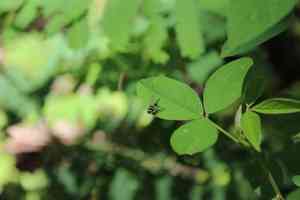
Shining rattlepod (Crotalaria micans)
Also known as: Shining Rattlepod
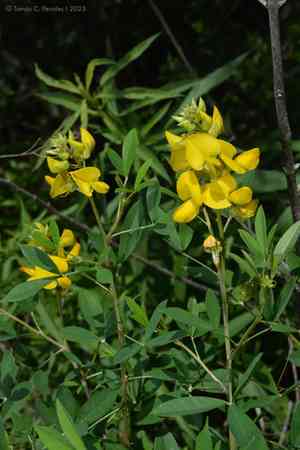
The shining rattlepod, a leguminous shrub, is known for its vivid yellow, pea-shaped flowers and elongated green pods. It flourishes in sunny, open areas with well-drained soil. This resilient plant features a branching structure adorned with small, lance-like leaves, giving it a delicate look. Additionally, its robust root system often houses nitrogen-fixing bacteria, which help improve soil fertility.
In This Article
Attributes of Shining rattlepod
Lifespan
Perennial
Plant Type
Shrub
Plant Height
2 m
Spread
0.5 to 1.5 meters
Leaf Color
Green
Flower Size
10 cm to 30 cm
Flower Color
Yellow
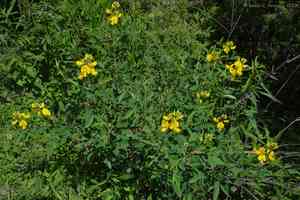
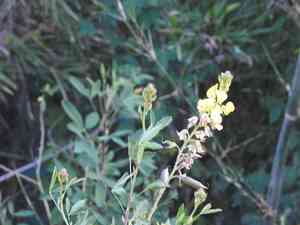
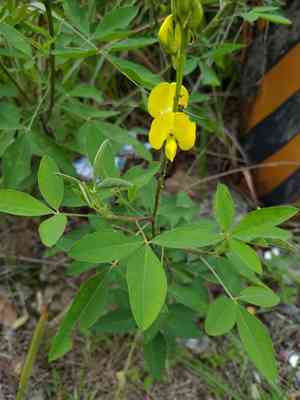
Images of Shining rattlepod
Quickly Identify Shining rattlepod
1
Crotalaria micans can be identified by its bright yellow, pea-like flowers, trifoliate leaves, and inflated seed pods which make a rattling sound when shaken.
Scientific Classification of Shining rattlepod
Phylum
Vascular plants
Class
Dicotyledons
Order
Fabales
Family
Legume
Genus
longbeak rattlebox
Species
Shining rattlepod
Planting and Growing of Shining rattlepod
Care Difficulty
Easy
Watering Schedule
Every week
Sunlight Requirements
Full sun
Sunshine Duration
4-8 hours
Ideal Temperature
68-77℉
Soil Type
Potting Mix, Peat Mix
Soil pH
6.5-7.5
Fertilizer Type
Balanced
Pruning Season
Spring, Summer
Pruning Area
Branches, Leaves
Pruning Frequency
2 times a year
Repotting Season
Spring
Pot Type
Plastic, Ceramic
 How to Water Shining rattlepod?
Crotalaria micans appreciates a generous watering session. Aim to water the plant with about 250 milliliters of water each time, ensuring the soil is thoroughly soaked but not waterlogged. This quantity is perfect to keep the soil moist while avoiding the risk of root rot.
What are the symptoms of an underwatered Shining rattlepod?
›
What should I do if my Shining rattlepod is not getting enough water?
›
What are the symptoms of an overwatered Shining rattlepod?
›
How to save an overwatered Shining rattlepod?
›
 What Are the Sunlight Requirements for Shining rattlepod?
Crotalaria micans thrives best in partial to full sun exposure, helping in vigorous growth, enhanced flowering, and overall a resilient plant against environmental stresses.
What is the ideal location?
›
How do I ensure adequate sunlight?
›
What are the benefits of ideal lighting?
›
 What Is the Ideal Temperature Range for Shining rattlepod?
The ideal temperature range for Crotalaria micans to thrive is between 68°F and 77°F. Within this range, the plant can efficiently photosynthesize, grow, and develop healthy foliage and flowers. Temperatures in this range support optimal enzymatic activities and nutrient uptake, which are crucial for the plant's overall health and growth.
 What Soil is Best for Shining rattlepod?
Crotalaria micans thrives in well-drained soil that prevents water from pooling around roots. This helps to avoid root rot and ensures the plant receives adequate oxygen. The plant benefits from soil rich in organic matter which promotes healthy growth. Nutrients from compost or organic fertilizers support robust blooming and foliage development. Soil that can hold enough moisture while also allowing excess water to drain benefits Crotalaria micans by preventing dehydration and reducing stress during dry spells.
 How to Fertilize Shining rattlepod?
When fertilizing Crotalaria micans, use a balanced 10-10-10 NPK fertilizer at half the recommended strength for general houseplants. A typical application involves 1 teaspoon of liquid fertilizer per gallon of water.
 How to Prune Shining rattlepod?
Begin pruning by removing dead or damaged stems from the base. Trim back leggy growth to maintain a compact form. Focus on outward-facing buds to encourage outward growth and improve airflow. If you notice any diseased or infested sections, prune them immediately. Cut several inches below the affected area, and ensure to clear away any fallen debris to prevent further contamination.
More About Pruning Techniques→
 How to Propagate Shining rattlepod plant?
1
Gather seeds from mature Crotalaria micans pods when they turn brown and start to dry. Ensure seeds are fully developed by checking their firmness and coloration.
2
Select healthy, disease-free stems ensuring each has several nodes. Cut them to around 4-6 inches in length, and remove any lower leaves to prevent decay when planting.
3
For seed propagation, sow seeds in a seed tray filled with well-drained potting mix. For cuttings, insert stems into the soil, ensuring their nodes are buried to encourage root development.
 How to Repot Shining rattlepod plant?
1
Repotting is crucial when you see roots growing out of the drainage holes or the soil dries out quickly after watering. This indicates the plant has outgrown its current pot and requires more space to flourish.
2
Select a pot that's 1-2 inches larger in diameter than the current pot. A slightly larger pot offers room for root growth without overwhelming the plant, preventing root rot and promoting healthy expansion.
3
Opt for a well-draining potting mix that retains enough moisture yet dries out between waterings. This soil type prevents waterlogging, ensuring that the roots receive sufficient oxygen, which is vital for plant health.
Toxicity
Ingestion
WARNING
The judgment on toxicity and danger is for reference only. We DO NOT GUARANTEE any accuracy of such judgment. Therefore, you SHALL NOT rely on such judgment. It is IMPORTANT TO SEEK PROFESSIONAL ADVICE in advance when necessary.
Learn More About Shining rattlepod Diseases
Anthracnose
Bacterial Leaf Spot
Bacterial Wilt
Crown Gall
Cyst Nematode
Damping-off
Downy Mildew
Drought Stress
Fusarium Wilt
Gray Mold
Leaf Spot
Mosaic
Nutrient Deficiency
Nutrient Toxicity
Powdery Mildew
Root Rot
Root-knot Nematode
Rusts
Sooty Mold
Spider Mites
Temperature Stress
Thrips Damage
White Mold



