How to Prune Crocanthemum corymbosum?
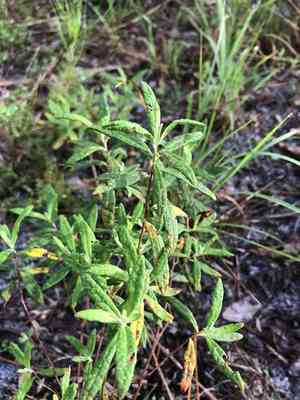
Helianthemum corymbosum, a shrub that thrives in sunlight and produces bright yellow blossoms, benefits from trimming in the initial part of spring. Eliminate any lifeless or ailing branches to foster robust development. Shorten elongated stalks to preserve a dense form and boost flowering. Refrain from over-pruning to avert strain. Pruning stimulates energetic growth and improves air movement, lowering the chance of illness. This yearly practice guarantees the plant stays appealing and flourishes throughout its active period.
What Are the Benefits of Pruning Crocanthemum Corymbosum?
What Are the Benefits of Pruning Crocanthemum Corymbosum?
Crocanthemum corymbosum thrives with pruning, leading to vigorous growth and a desirable form. Pruning aids in managing plant size, enhancing its overall look, and boosting its resistance to pests and diseases. Regular trimming also promotes healthier development and increases flowering.
What Is the Best Time for Pruning Crocanthemum Corymbosum?
What Is the Best Time for Pruning Crocanthemum Corymbosum?
Pruning crocanthemum corymbosum in early spring is ideal as it aligns with the plant's natural growth cycle. During this period, crocanthemum corymbosum is either dormant or just starting its active growth. This minimizes plant stress, allowing it to recover and produce new growth efficiently before blooming. Additionally, early spring pruning helps shape the plant and removes any dead or damaged branches from winter, promoting overall health and vitality.
What Tools Do I Need to Prune Crocanthemum Corymbosum?
Hand Pruners
Perfect for precise cuts on small stems and for removing spent blooms. Essential for maintaining the shape and health of crocanthemum corymbosum.
Pruning Shears
Useful for cutting through thicker stems and branches, ensuring clean cuts to prevent tearing and damage.
Pruning Saw
Needed for cutting through older, woody stems too thick for hand pruners or shears. Ensures clean cuts to avoid damage and diseases.
Gloves
Protect your hands from thorny branches and rough surfaces while pruning crocanthemum corymbosum.
Disinfectant
Crucial for sterilizing pruning tools before and after use to prevent the spread of diseases among plants.
How to Prune Crocanthemum Corymbosum
Prep Equipment
Begin by preparing all necessary pruning tools, ensuring they are clean and sharp to make precise cuts and prevent pathogen spread.
Assess Plant
Carefully examine crocanthemum corymbosum for any signs of disease, wilting, or dead tissue. Focus especially on unhealthy or nonviable leaves and branches.
Remove Diseased Leaves
Identify and trim away any diseased leaves using sharp pruning shears. Make cuts a few inches below the affected area to ensure complete disease removal.
Remove Withered Leaves
Cut off withered or brown leaves. This helps promote healthy growth and enhances the aesthetic appeal of crocanthemum corymbosum.
Remove Dead Branches
Prune dead branches back to the main stem or to healthy wood to prevent rot and potential disease spread. Ensure clean cuts by making angled cuts just above a bud or branch junction.
Remove Diseased Branches
Identify any diseased branches and cut back to healthy wood, ensuring to sterilize shears between cuts to prevent spreading disease to healthy parts of crocanthemum corymbosum.
Common Pruning Mistakes with Crocanthemum Corymbosum
Over-Pruning
Removing too much foliage and stems can weaken crocanthemum corymbosum and hinder its growth and flowering potential.
Improper Cuts
Making jagged or uneven cuts can harm the plant and make it more vulnerable to diseases.
Pruning at the Wrong Time
Timing is vital for crocanthemum corymbosum; pruning at the incorrect time can lead to stress and reduced flowering.
Ignoring Dead or Diseased Wood
Failing to remove dead or diseased parts can spread problems to healthy areas of the plant.
Using Dull or Dirty Tools
Using improper tools can cause damage and increase the risk of infections.
Common Pruning Tips for Crocanthemum Corymbosum
Use Sharp and Clean Tools
Ensure that all pruning shears and saws are sharp and disinfected to make clean cuts and prevent disease.
Make Clean Cuts
Cut at an angle just above a healthy bud or branch junction to promote proper healing.
Remove Dead or Diseased Wood
Promptly remove any dead, diseased, or damaged branches to maintain plant health.
Thin Out Crowded Areas
Thinning out crowded branches improves air circulation and allows more light to penetrate, enhancing overall growth.
Step Back and Assess
Regularly step back to assess the shape and structure of crocanthemum corymbosum, ensuring a balanced and aesthetically pleasing form.



