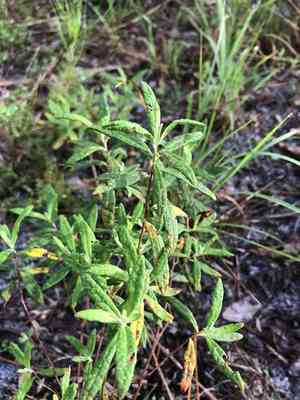
Crocanthemum corymbosum (Crocanthemum corymbosum)
Also known as: False Heather, Rock Rose
Crocanthemum corymbosum features striking yellow flowers that flourish in sunny conditions. This resilient plant thrives in sandy, well-drained soils, common in pine barrens and open woodlands. Its bright green foliage and abundant flower clusters attract pollinators, contributing significantly to local ecosystems.
In This Article
Attributes of Crocanthemum corymbosum
Lifespan
Perennial
Plant Type
Shrub
Plant Height
0.3 to 0.6 meters (1 to 2 feet)
Spread
Approximately 0.3 meters (1 foot)
Leaf Color
Green
Flower Size
1 to 2 centimeters (0.4 to 0.8 inches)
Flower Color
Bright yellow
Images of Crocanthemum corymbosum
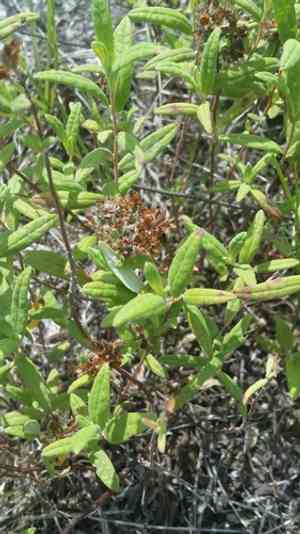
Quickly Identify Crocanthemum corymbosum
1
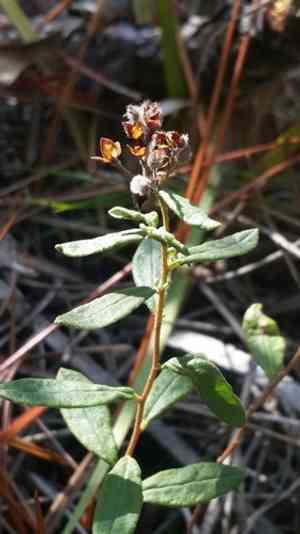
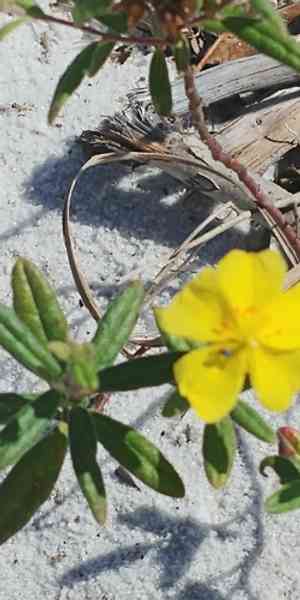
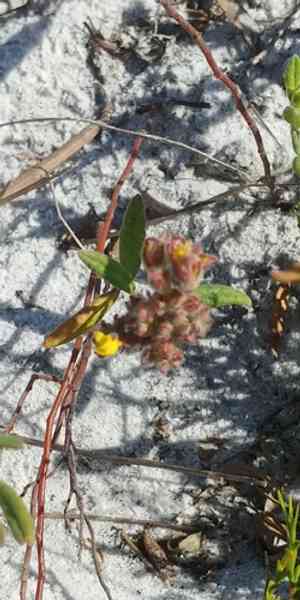
Identifiable by its small, bright yellow flowers which form dense clusters, narrow elongated leaves, and hairy stems. It typically grows in sandy or rocky soils.
Scientific Classification of Crocanthemum corymbosum
Phylum
Vascular plants
Class
Dicotyledons
Order
Malvales
Family
Rock roses
Genus
Frostweeds
Species
Crocanthemum corymbosum
Planting and Growing of Crocanthemum corymbosum
Care Difficulty
Moderate
Watering Schedule
Every 4 days
Sunlight Requirements
Full sun
Sunshine Duration
4-8 hours
Ideal Temperature
60-75℉
Soil Type
Potting Mix, Peat Mix
Soil pH
6.5-7.5
Fertilizer Type
Balanced
Pruning Season
Spring, Summer
Pruning Area
Branches, Leaves
Pruning Frequency
2 times a year
Repotting Season
Spring
Pot Type
Plastic, Terracotta
 How to Water Crocanthemum corymbosum?
Crocanthemum corymbosum prefers well-drained soil, and although drought-tolerant, it should be watered to a depth of about 1 inch each time. Ensure the topsoil is dry before the next watering session to prevent overwatering.
What are the symptoms of an underwatered Crocanthemum corymbosum?
›
What should I do if my Crocanthemum corymbosum is not getting enough water?
›
What are the symptoms of an overwatered Crocanthemum corymbosum?
›
How to save an overwatered Crocanthemum corymbosum?
›
 What Are the Sunlight Requirements for Crocanthemum corymbosum?
Crocanthemum corymbosum ideally requires full sun exposure for 6-8 hours daily. This light range ensures efficient photosynthesis, promoting healthy growth and prolific blooming.
What are Crocanthemum corymbosum's ideal lighting needs?
›
How can I ensure Crocanthemum corymbosum gets ideal light?
›
What benefits does appropriate lighting have for Crocanthemum corymbosum?
›
 What Is the Ideal Temperature Range for Crocanthemum corymbosum?
The ideal temperature range for Crocanthemum corymbosum is between 60°F and 75°F. This range supports robust growth and optimal flowering of the plant, ensuring that it receives adequate warmth without overheating.
 What Soil is Best for Crocanthemum corymbosum?
Crocanthemum corymbosum thrives in well-drained soil which prevents waterlogging. This condition ensures that the roots receive adequate oxygen and reduces the risk of root rot, enhancing plant health and vigor. The plant requires moderately fertile soil, which provides essential nutrients without overwhelming the plant. This balance supports steady growth and healthy flowering. While this plant can tolerate dry conditions, it benefits from slightly moist soil. This helps maintain hydration without risking root decay, especially in dryer climates.
 How to Fertilize Crocanthemum corymbosum?
For Crocanthemum corymbosum, an appropriate amount of fertilizer is critical. Liquid fertilizers should be diluted to half the strength recommended on the bottle. For slow-release fertilizers, use approximately 20 grams per square meter for optimal growth.
 How to Prune Crocanthemum corymbosum?
Begin by removing any dead or diseased branches to prevent further spread of disease. This promotes better air circulation and sunlight penetration, vital for plant health. Look for branches that cross over each other and trim the less vigorous one. This prevents potential damage and enhances the plant's growth structure by reducing overcrowding.
More About Pruning Techniques→
 How to Propagate Crocanthemum corymbosum plant?
1
Gather ripe seeds from mature Crocanthemum corymbosum plants. Seeds should be collected in dry weather and stored in a cool, dry place until ready for planting.
2
Select healthy, non-flowering shoots for cuttings. Cut a 4-6 inch section below a node, remove the leaves from the bottom half, and prepare for rooting.
3
When dividing the plant, carefully dig up the entire plant and separate the root clumps. Each division should have ample roots to sustain growth.
 How to Repot Crocanthemum corymbosum plant?
1
Repot Crocanthemum corymbosum when you notice roots growing out of the drainage holes or when the plant looks top-heavy and struggles to retain water. These signs indicate that the plant has outgrown its current pot and requires more space for root expansion. Choosing the right time ensures a healthy transition and optimal growth.
2
Select a pot that's one size larger than the current one, with good drainage holes to prevent waterlogging. A terracotta pot is ideal as it aids moisture evaporation, ensuring the plant's roots stay healthy by avoiding root rot. This also fosters a balanced moisture environment, crucial for arid-tolerant species like Crocanthemum corymbosum.
3
Opt for a well-draining sandy soil mix with components like perlite and coarse sand. This combination encourages proper drainage and aeration, preventing water from accumulating around the roots. Such soil mimics the natural habitat of Crocanthemum corymbosum, promoting healthy root development and providing necessary nutrients for growth.



