How to Prune Cape coast lily?
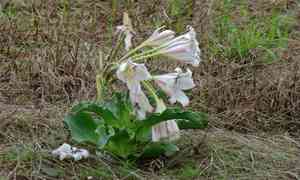
Being a perennial with bulbs, the cape coast lily thrives when spent flower stalks are cut back to the soil surface after flowering, which channels vitality into the bulb's development. Removing withered or discolored foliage preserves its well-being and appearance. The timing is critical; perform this trimming from Spring to Autumn, aligning with periods of active development and after blooming. This fosters robust flowering in the subsequent season and deters ailments. Furthermore, eliminating rival weeds guarantees the cape coast lily obtains sufficient nourishment and hydration.
What Are the Benefits of Pruning Cape Coast Lily?
What Are the Benefits of Pruning Cape Coast Lily?
Trimming cape coast lily promotes vigorous development by eliminating dead or diseased foliage, which can impede vitality. It also aids in maintaining a desired shape, preventing excessive growth and ensuring the plant's aesthetic appeal is preserved.
What Is the Best Time for Pruning Cape Coast Lily?
What Is the Best Time for Pruning Cape Coast Lily?
Pruning cape coast lily during the spring coincides with the start of active growth, allowing cape coast lily to recover quickly and direct energy into producing new shoots. Autumn pruning is appropriate after blooming when cape coast lily enters a period of reduced activity, which minimizes stress and potential harm. Summer pruning is generally avoided for cape coast lily to prevent stressing the plant during peak growing and flowering times. Spring and Fall pruning ensure the health and vigour of cape coast lily, as well as maintenance of its desired shape, without interfering with its natural blooming cycles.
What Tools Do I Need to Prune Cape Coast Lily?
Bypass Pruners
Perfect for making precise cuts on cape coast lily's leaves and smaller stems without crushing plant tissue. They are especially useful when removing spent flowers or damaged foliage due to their clean cutting action.
Long-Handled Loppers
These are essential for reaching into the larger clusters of cape coast lily without disturbing nearby plants. The extended handles provide leverage to make cutting thicker stalks easier.
Gardening Gloves
Crucial for protecting your hands from cape coast lily's sticky sap and sharp edges during pruning. The robust fabric or leather material acts as a barrier against irritants.
Pruning Saw
Recommended for larger stems of mature cape coast lily that are too thick for loppers. This tool allows for precision in cutting without damaging the rest of the clump.
How to Prune Cape Coast Lily
Identify
Examine cape coast lily closely to determine which leaves and branches exhibit signs of disease or are withered and dead.
Disinfect
Before cutting, sanitize your pruning shears with alcohol or a bleach solution to prevent the spread of disease.
Prune leaves
Carefully remove diseased and withered leaves from cape coast lily by cutting at the base of the leaf stalk, ensuring not to harm healthy parts.
Prune branches
Cut back dead or diseased branches on cape coast lily to a healthy section, making the cut just above a leaf node or bud to encourage new growth.
Cleanup
After pruning cape coast lily, clear away all debris to eliminate any potential sources of disease and pests from the area.
Common Pruning Mistakes with Cape Coast Lily
Overpruning
Removing too much foliage can stress cape coast lily, leading to reduced flowering or even plant death.
Improper cut locations
Incorrectly cutting into the healthy portion of cape coast lily's bulb can introduce diseases or pests.
Unsterilized tools
Using dirty pruning tools can spread diseases between cape coast lily and other plants.
Pruning healthy leaves
Cutting back healthy leaves that are providing necessary energy can weaken cape coast lily.
Ignoring diseased material
Failing to remove diseased leaves or stems, which could infect the rest of cape coast lily.
Inadequate cleanup
Leaving pruned material on the ground around cape coast lily may attract pests or harbor diseases.
Common Pruning Tips for Cape Coast Lily
Sharp clean tools
Use sharp, clean shears to ensure clean cuts that will heal quickly, minimizing stress on cape coast lily.
Identify damaged sections
Focus on removing only damaged or diseased leaves and stems to maintain the health of cape coast lily.
Cut at base
Prune leaves at the base where they meet the bulb, but avoid cutting into the bulb itself.
Prune after flowering
Trimming back the spent flower stalks after blossoms fade can encourage new growth.
Control pruning intensity
Limit pruning to no more than one-third of the total foliage to maintain the energy reserves for cape coast lily.
Dispose of debris
Promptly dispose of all pruned material to prevent it from becoming a breeding ground for pests or diseases.



