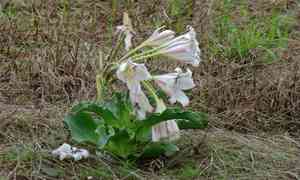
Cape coast lily (Crinum macowanii)
Also known as: Sabie crinum, Pyjama lily
The Nerine, a striking bulbous plant indigenous to South Africa, showcases fragrant pink and white blooms in the summer. This eye-catching plant, with its lush green leaves, is frequently planted in gardens and parks for its decorative appeal and ability to attract pollinators.
In This Article
Attributes of Cape coast lily
Lifespan
Perennial
Plant Type
Herb
Plant Height
30 cm to 1.2 m
Spread
50 cm to 1 m
Leaf Color
Green
Flower Size
10 cm
Flower Color
White Pink
Images of Cape coast lily
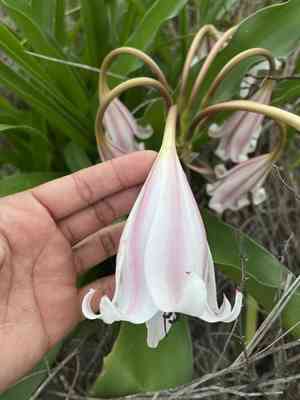
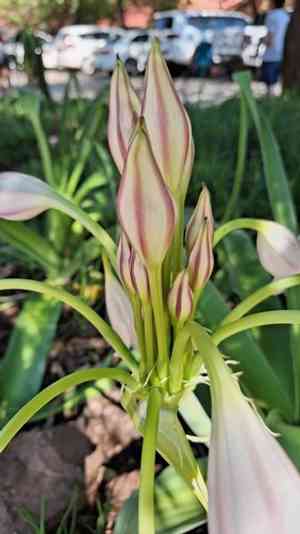
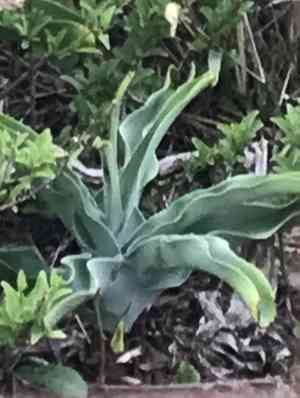
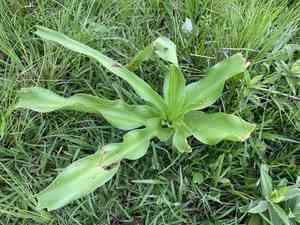
Quickly Identify Cape coast lily
1
Identify Crinum macowanii by its large, fragrant, white to pink flowers with long, narrow petal segments. The leaves are strap-shaped and emerge from a large bulb.
Scientific Classification of Cape coast lily
Phylum
Vascular plants
Class
Monocotyledons
Order
Asparagales
Family
Amaryllis
Genus
Crinum
Species
Cape coast lily
Planting and Growing of Cape coast lily
Care Difficulty
Easy
Watering Schedule
Every 4 days
Sunlight Requirements
Full sun
Sunshine Duration
6-10 hours
Ideal Temperature
60-75℉
Soil Type
Potting Mix, Peat Mix
Soil pH
6.5-7.5
Fertilizer Type
Balanced
Pruning Season
Spring, Summer
Pruning Area
Branches, Leaves
Pruning Frequency
2 times a year
Repotting Season
Spring
Pot Type
Plastic, Ceramic
 How to Water Cape coast lily?
For Crinum macowanii, you should water until the soil is thoroughly moist. This typically means using around 500 ml of water, ensuring the water drains well to avoid root rot. The soil should feel damp to the touch, but without being soggy. Aim for water to penetrate deep into the root zone, ensuring the plant receives adequate hydration.
What are the symptoms of an underwatered Cape coast lily?
›
What should I do if my Cape coast lily is not getting enough water?
›
What are the symptoms of an overwatered Cape coast lily?
›
How to save an overwatered Cape coast lily?
›
 What Are the Sunlight Requirements for Cape coast lily?
Crinum macowanii prefers full sun, ideally 6-8 hours. Optimal sunlight ensures healthy growth, vibrant leaves, and robust floral displays that signify plant vitality.
What type of lighting does Crinum macowanii prefer?
›
How can I ensure Crinum macowanii gets ideal sunlight exposure?
›
What are the benefits of providing Crinum macowanii with ideal sunlight?
›
 What Is the Ideal Temperature Range for Cape coast lily?
For optimal growth of Crinum macowanii, maintaining a temperature range between 60°F to 75°F is vital. This range supports active growth and ensures that the plant can effectively carry out metabolic processes. These temperatures mimic the native habitat conditions and provide a conducive environment for blooming and leaf development.
 What Soil is Best for Cape coast lily?
Crinum macowanii thrives in soil that is rich in essential nutrients. This allows the plant to develop strong roots and lush foliage, promoting vibrant flowering and overall plant health. A well-draining soil prevents waterlogging, which is crucial for preventing root rot in Crinum macowanii. By allowing excess water to escape, it ensures roots receive adequate oxygen. While drainage is essential, the soil should also retain some moisture. This balance aids in providing consistent hydration that supports sustained growth and flowering.
 How to Fertilize Cape coast lily?
Crinum macowanii requires a balanced fertilization approach. Use approximately 1/4 strength of an all-purpose liquid fertilizer for young plants. For established plants, you can increase to 1/2 strength but ensure you distribute it evenly around the plant’s base to avoid overfeeding.
 How to Prune Cape coast lily?
Begin the pruning process by cutting away any dead, damaged or diseased leaves. Use a sterilized pair of pruning shears to minimize the risk of spreading infections. Cut these leaves back to the base of the plant to keep it tidy and healthy. After removing the damaged foliage, proceed to trim any excessively long or untidy leaves. Focus on maintaining the plant's natural shape; this will prevent it from becoming unruly and will enhance its aesthetic appeal. Once Crinum macowanii finishes blooming, remove spent flowers by trimming the flowering stalks near the base. This not only improves the plant’s appearance but also redirects its energy toward root and foliage growth instead of seed production.
More About Pruning Techniques→
 How to Propagate Cape coast lily plant?
1
Collect seeds from mature Crinum macowanii plants. Ensure seeds are fully ripened and dry before collection to increase the chances of successful germination.
2
Prepare a well-drained, sandy soil mix in trays or pots. Ensuring good drainage helps in preventing root rot during the initial growing stages.
3
Sow seeds at a shallow depth, cover lightly with soil, and water gently. Place the trays in a warm, sunny location and water regularly to maintain moist conditions for germination.
 How to Repot Cape coast lily plant?
1
Crinum macowanii typically signals its need for repotting when the roots begin to outgrow the container, often visible as roots protruding from drainage holes. Additionally, if you notice the soil drying out faster than usual, it may indicate root-bound conditions, making it an ideal time for repotting.
2
Opt for a pot that's 2-3 inches larger in diameter than the current one. This allows room for root expansion while preventing excess soil retention, which can cause root rot. A pot with drainage holes is essential for preventing waterlogging and maintaining healthy root systems.
3
Select a sandy loam that ensures both aeration and moisture retention, necessary for Crinum macowanii's robust growth. Such soil encourages strong root development and minimizes the risk of waterlogged conditions that can stress the plant.
Toxicity
Ingestion, Dermal Contact
WARNING
The judgment on toxicity and danger is for reference only. We DO NOT GUARANTEE any accuracy of such judgment. Therefore, you SHALL NOT rely on such judgment. It is IMPORTANT TO SEEK PROFESSIONAL ADVICE in advance when necessary.
Learn More About Cape coast lily Diseases
Anthracnose
Bacterial Leaf Spot
Bacterial Soft Rot
Crown Gall
Cyst Nematode
Damping-off
Downy Mildew
Drought Stress
Fusarium Wilt
Gray Mold
Leaf Spot
Mosaic
Nutrient Deficiency
Nutrient Toxicity
Powdery Mildew
Root Rot
Root-knot Nematode
Rusts
Sooty Mold
Spider Mites
Temperature Stress
Thrips Damage
White Mold



