How to Prune Hall's meadow hawksbeard?
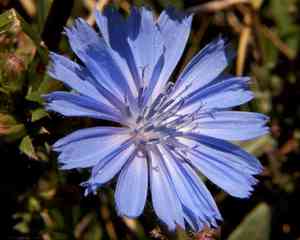
Hall's meadow hawksbeard, a perennial featuring unique dandelion-like blossoms, thrives with consistent trimming to stimulate flowering and manage its size. Trimming should occur in early spring or summer, following the blooming period, to eliminate faded flowers and reduce thick foliage. This schedule enables hall's meadow hawksbeard to fortify itself and yield superior blooms in the subsequent season. Routine trimming also aids in preserving the plant's form and averts excessive density, fostering more robust development and improved air movement among the specimens.
What Are the Benefits of Pruning Hall's Meadow Hawksbeard?
What Are the Benefits of Pruning Hall's Meadow Hawksbeard?
Trimming hall's meadow hawksbeard promotes robust development and maintains its desired shape. This improves its overall health and visual appeal, making it a strong element in garden displays.
What Is the Best Time for Pruning Hall's Meadow Hawksbeard?
What Is the Best Time for Pruning Hall's Meadow Hawksbeard?
Pruning or trimming hall's meadow hawksbeard during Spring and Summer is advantageous because these seasons align with the plant's active growth period, allowing it to recover and regrow more effectively after pruning. Spring pruning, performed just before new growth begins, helps stimulate vigorous and healthy development. This timing also enables gardeners to shape the plant efficiently and remove any dead or damaged stems from winter, enhancing its overall health and appearance. Summer pruning is beneficial as it aids in managing the size and form of hall's meadow hawksbeard, and it can also encourage a second bloom in certain plants. Furthermore, removing spent flowers during this time can prevent the plant from diverting energy into seed production, instead focusing on strong growth.
What Tools Do I Need to Prune Hall's Meadow Hawksbeard?
Hand Pruners
Perfect for precise cuts on softer, green stems of hall's meadow hawksbeard. This tool allows for selective stem removal and helps maintain the plant's form.
Gardening Scissors
Ideal for deadheading and trimming smaller or delicate shoots of hall's meadow hawksbeard, ensuring the plant retains vigor by preventing energy waste on unnecessary or dead parts.
Pruning Saw
Essential for removing any thicker, woody stems that may develop as hall's meadow hawksbeard matures. A pruning saw creates clean cuts, preventing damage to the plant's structure.
How to Prune Hall's Meadow Hawksbeard
Identify
Locate diseased or damaged leaves and stems on hall's meadow hawksbeard. Look carefully for any signs of discoloration, spots, or wilting, which indicate poor health.
Disinfect
Before beginning the trimming process, sanitize your pruning shears or scissors. Clean the tools with a solution of 1 part bleach to 9 parts water to prevent disease transmission.
Trim leaves
Carefully remove the diseased and withered leaves. Cut the leaves at their base, close to the stem, ensuring not to harm the healthy parts of hall's meadow hawksbeard.
Trim stems
Prune diseased stems by making cuts at least 5-10 inches below the affected portions into healthy, green areas to ensure all compromised tissue is removed. Make a clean, angled cut to promote water runoff and prevent disease.
Cleanup
After pruning, dispose of the diseased material properly. Do not compost as the pathogens may not be eliminated in a composting process and can spread to other plants. Clean your tools again after finishing.
Common Pruning Mistakes with Hall's Meadow Hawksbeard
Overpruning
A frequent error with hall's meadow hawksbeard is removing too much foliage at once, which can stress the plant and lead to reduced vigor and fewer blooms.
Incorrect cut positions
Cutting too far from a bud, leaving a long stem, or too close, which might damage the bud, is a common mistake that can hinder the healing process and growth of hall's meadow hawksbeard.
Improper tool use
Using dull or unclean pruning tools can result in rough cuts that harm hall's meadow hawksbeard, making it more susceptible to diseases.
Common Pruning Tips for Hall's Meadow Hawksbeard
Selective pruning
For hall's meadow hawksbeard, focus on removing dead or diseased foliage and thinning out overcrowded areas to promote better air circulation and light penetration, which are vital for healthy growth and flowering.
Timing of cuts
Make cuts at a 45-degree angle just above outward-facing buds to encourage outward growth, which helps maintain an aesthetically pleasing shape of hall's meadow hawksbeard and ensures the plant's energy is directed appropriately.
Tool maintenance
Use sharp, clean pruning shears specifically designed for use on live plants. Sterilize tools before moving to another plant to prevent the spread of disease among your garden specimens, especially when trimming hall's meadow hawksbeard.
Moderate pruning
Practice moderation in pruning by only removing about one third of hall's meadow hawksbeard's overall growth. This method avoids stressing the plant while still shaping and managing its size efficiently.



