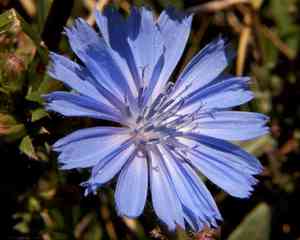
Hall's meadow hawksbeard (Crepis runcinata)
Also known as: Fiddleleaf hawksbeard
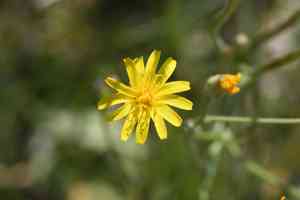
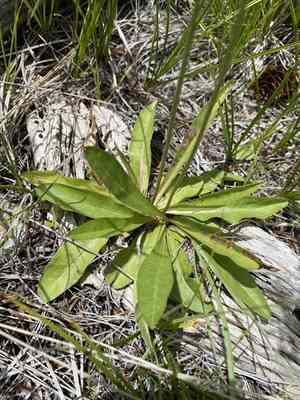
The plant features smooth, hairless leaves that form a rosette at the base, each leaf being somewhat narrowly oval and sometimes exhibiting toothlike triangular lobes or lacking lobes entirely. The inflorescence consists of flower heads with hairy, glandular phyllaries and numerous yellow ray florets, without any disc florets. The resulting fruit is a small achene with a pappus.
In This Article
Attributes of Hall's meadow hawksbeard
Lifespan
Perennial
Plant Type
Herb
Plant Height
25 cm to 81 cm
Spread
10-30 cm
Leaf Color
Green
Flower Size
1-2 cm
Flower Color
Yellow
Images of Hall's meadow hawksbeard

Quickly Identify Hall's meadow hawksbeard
1
Crepis runcinata can be identified by its deeply lobed leaves, which are typically hairy, and its bright yellow flower heads that resemble dandelions but are smaller in size. The seed heads form fluffy, white pappus, aiding in wind dispersal.
Scientific Classification of Hall's meadow hawksbeard
Phylum
Vascular plants
Class
Dicotyledons
Order
Asterales
Family
Daisy
Genus
Hawksbeard
Species
Hall's meadow hawksbeard
Planting and Growing of Hall's meadow hawksbeard
Care Difficulty
Easy
Watering Schedule
Every 3 days
Sunlight Requirements
Full sun
Sunshine Duration
4-6 hours
Ideal Temperature
65-75℉
Soil Type
Potting Mix, Peat Mix
Soil pH
6.5-7.5
Fertilizer Type
Balanced
Pruning Season
Spring, Summer
Pruning Area
Branches, Leaves
Pruning Frequency
2 times a year
Repotting Season
Spring
Pot Type
Plastic, Ceramic
 How to Water Hall's meadow hawksbeard?
For Crepis runcinata, it's crucial to provide the right amount of water, typically 250 milliliters per session. The soil should remain consistently moist, but avoid waterlogged conditions. Water just until excess liquid starts to drain from the bottom to ensure even moisture distribution throughout the root zone.
What are the symptoms of an underwatered Hall's meadow hawksbeard?
›
What should I do if my Hall's meadow hawksbeard is not getting enough water?
›
What are the symptoms of an overwatered Hall's meadow hawksbeard?
›
How to save an overwatered Hall's meadow hawksbeard?
›
 What Are the Sunlight Requirements for Hall's meadow hawksbeard?
Crepis runcinata prefers full to partial sunlight, which ensures optimal growth and flowering. Success in such conditions manifests as lush, vibrant foliage and prolific flower production, critical for visual appeal and ecological contributions in gardens.
Optimal Sun Exposure
›
Solutions for Ideal Sunlight
›
Benefits of Ideal Lighting
›
 What Is the Ideal Temperature Range for Hall's meadow hawksbeard?
The ideal temperature range for growing Crepis runcinata lies between 65°F and 75°F. This range ensures optimal metabolic functions and photosynthesis, leading to healthy growth and vibrant foliage. Temperatures within this range help maintain the stability of cell membranes and enzyme activities, which are crucial for plant development.
 What Soil is Best for Hall's meadow hawksbeard?
Crepis runcinata thrives in well-drained soils as it prevents root rot by ensuring that excess water percolates away from the roots. This is crucial for maintaining root health and overall plant vitality. Providing a nutrient-rich medium is essential for Crepis runcinata's growth. Organic matter like compost enhances soil fertility, promoting robust growth and vibrant foliage. This plant prefers soils with a slightly alkaline pH, from 6.5 to 7.5. Such conditions favor nutrient availability, particularly for micronutrients essential for the plant's metabolic activities.
 How to Fertilize Hall's meadow hawksbeard?
For Crepis runcinata, the appropriate fertilizer amount depends on the soil's nutrient content. Generally, when using a balanced liquid fertilizer, apply about a quarter-strength solution to avoid overfeeding. It's crucial to account for the plant's size and growth rate, as larger, faster-growing plants may require more nutrients.
 How to Prune Hall's meadow hawksbeard?
Best done monthly, pruning should start by cutting back any spent flowers to promote continuous blooming. Next, remove any growth that looks leggy or thin to maintain a dense shape. To maintain an aesthetically pleasing appearance, prune to balance the plant's shape. Cut evenly around the plant, ensuring all sides receive light and air circulation.
More About Pruning Techniques→
 How to Propagate Hall's meadow hawksbeard plant?
1
Fill the seed trays with a light, well-draining potting mix. Moisten the mix slightly to facilitate seed germination. It’s important not to oversaturate the soil, which can drown the seeds and lead to fungal diseases.
2
Sow the seeds evenly over the surface of the soil, gently pressing them in without covering them completely with soil. This allows sunlight to reach the seeds, which is necessary for their germination.
3
Place the trays in a location with sufficient light, ideally under a grow light. Water the trays gently to keep the soil consistently moist but not waterlogged to mimic natural conditions.
 How to Repot Hall's meadow hawksbeard plant?
1
Repotting Crepis runcinata should be considered when you notice roots circling the top of the soil, indicating the plant is root-bound. Additionally, if you find that water is sitting on the surface or the plant's growth has visibly slowed, this is a clear signal that repotting is needed.
2
Select a pot that is one size larger than the current one and has drainage holes. The extra space promotes root expansion while preventing waterlogging, which can lead to root rot. Additionally, using a clay or terracotta pot can aid in moisture regulation due to its porous nature.
3
Choose a well-draining, sandy soil mixed with organic matter. Such a blend ensures that excess water escapes, preventing rot, while still providing essential nutrients and aeration that contribute to the plant's growth and health.
Learn More About Hall's meadow hawksbeard Diseases
Anthracnose
Bacterial Leaf Spot
Bacterial Soft Rot
Bacterial Wilt
Chemical Injury
Crown Gall
Cyst Nematode
Damping-off
Downy Mildew
Drought Stress
Fusarium Wilt
Gray Mold
Leaf Spot
Mosaic
Nutrient Deficiency
Nutrient Toxicity
Powdery Mildew
Root Rot
Root-knot Nematode
Rusts
Sooty Mold
Spider Mites
Temperature Stress
Thrips Damage
White Mold



