How to Prune Pink hawk's-beard?
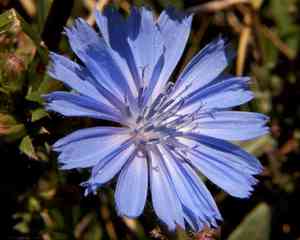
Distinguished by its vivid rosy blossoms, pink hawk's-beard flourishes with consistent trimming to foster more robust, compact development. Optimal periods for pruning occur in spring, summer, and autumn, concentrating on eliminating faded flowers and reducing congested stalks. This method stimulates fresh flowering and deters ailments by improving air movement surrounding the plant. Trimming not only preserves its visual charm but also revitalizes pink hawk's-beard's vegetative expansion, guaranteeing vigorous vitality across all cultivation periods.
What Are the Benefits of Pruning Pink Hawk's-beard?
What Are the Benefits of Pruning Pink Hawk's-beard?
Trimming pink hawk's-beard promotes robust development and preserves its form, enhancing its visual appeal in garden environments. This practice is vital for fostering a strong, dense structure, essential for optimal aesthetic impact and well-being.
What Is the Best Time for Pruning Pink Hawk's-beard?
What Is the Best Time for Pruning Pink Hawk's-beard?
For pink hawk's-beard, the ideal periods for trimming or cutting are Spring, Summer, and Fall. These times coincide with active growth and recovery phases, ensuring the plant can quickly heal from cuts and maintain vigorous health. Spring pruning aids in stimulating new growth and prepares the plant for the blooming season, improving both the quality and quantity of flowers. Summer trimming is beneficial for removing faded blooms and encouraging a second flowering in some varieties. Fall pruning, meanwhile, is crucial for shaping the plant and eliminating any unhealthy or dead foliage, which helps prevent diseases and readies pink hawk's-beard for its winter dormancy. These seasonal trimmings contribute to the plant's overall vitality and aesthetic charm.
What Tools Do I Need to Prune Pink Hawk's-beard?
Bypass Pruners
Perfect for making clean cuts on the thinner, more delicate stems of pink hawk's-beard, aiding in healthy regrowth without crushing plant tissues.
Floral Snips
Excellent for detailed work and deadheading pink hawk's-beard's flowers, allowing for precise snipping in confined areas without harming surrounding blooms.
Pruning Shears
Useful for shaping and managing the overall size of pink hawk's-beard, especially during its active growth period to maintain its desired look.
How to Prune Pink Hawk's-beard
Identify
Inspect pink hawk's-beard for any shriveled or discolored leaves that detract from its healthy appearance or hinder plant development.
Preparation
Ready sanitized pruning shears to prevent disease transmission. Use a 10% bleach solution or rubbing alcohol to clean the blades before and after use.
Trim
Carefully cut off the withered leaves at their base, close to the main stem of pink hawk's-beard, ensuring not to cut any healthy tissue to avoid stressing the plant.
Disposal
Properly discard the removed leaves, far from healthy plant areas to prevent any potential spread of disease or pests that might be present on the withered leaves.
Care post pruning
After pruning, adequately water pink hawk's-beard to help alleviate stress and support recovery, focusing on maintaining soil moisture but avoiding overwatering.
Common Pruning Mistakes with Pink Hawk's-beard
Over-pruning
Removing too much foliage from pink hawk's-beard can significantly weaken the plant. This often occurs when cutting back more than one-third of the plant in a single pruning session, which can stress pink hawk's-beard and diminish its vitality.
Improper cuts
Making cuts too close to the main stems or below the leaf nodes can harm pink hawk's-beard. Such errors can impede proper healing and increase susceptibility to diseases.
Wrong tools
Using dull or unclean pruning tools can create jagged or torn cuts, which can expose pink hawk's-beard to pests and diseases. Always use sharp, clean shears or scissors for pruning.
Common Pruning Tips for Pink Hawk's-beard
Selective thinning
Focus on thinning out older, less productive stems to promote better air circulation and light penetration, which are crucial for the health and flowering of pink hawk's-beard. This method encourages new growth without drastically altering the plantâs shape.
Post-flowering pruning
Prune pink hawk's-beard soon after it finishes flowering to help shape the plant and remove any spent blooms. This encourages a second blooming and maintains plant aesthetics.
Health maintenance
Regularly remove any dead, damaged, or diseased branches from pink hawk's-beard to maintain its overall health and aesthetic. Such proactive cleaning helps prevent the spread of pathogens and promotes stronger new growth.



