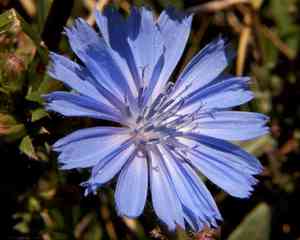
Pink hawk's-beard (Crepis rubra)
Also known as: Hawk's beard
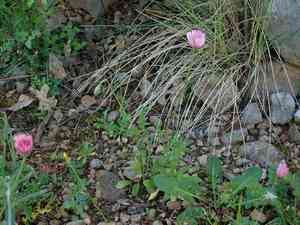
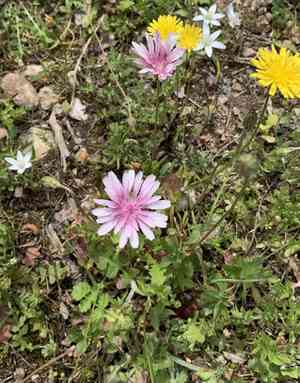
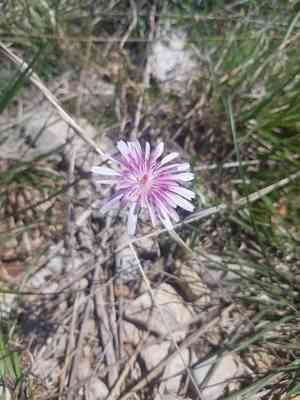
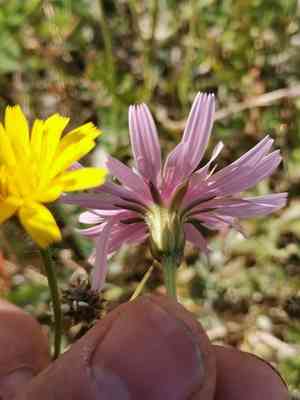
Crepis rubra is an annual herb that can reach up to 40 cm in height. Typically, each plant produces just one or two flower heads, each featuring up to 100 pink or red ray florets without any disc florets. It is commonly found in rocky fields and meadows.
In This Article
Attributes of Pink hawk's-beard
Lifespan
Annual
Plant Type
Herb
Plant Height
30 cm
Spread
20 cm
Leaf Color
Green
Flower Size
2 to 4 cm
Flower Color
Pink
Images of Pink hawk's-beard
Quickly Identify Pink hawk's-beard
1
Identification of Crepis rubra involves looking for its characteristic bright pink to red flowers with a yellow center. It typically has lobed leaves and a hairy stem.
Scientific Classification of Pink hawk's-beard
Phylum
Vascular plants
Class
Dicotyledons
Order
Asterales
Family
Daisy
Genus
Hawksbeard
Species
Pink hawk's-beard
Planting and Growing of Pink hawk's-beard
Care Difficulty
Easy
Watering Schedule
Every 4 days
Sunlight Requirements
Full sun
Sunshine Duration
4-8 hours
Ideal Temperature
60-75℉
Soil Type
Potting Mix, Peat Mix
Soil pH
6.5-7.5
Fertilizer Type
Balanced
Pruning Season
Spring, Summer
Pruning Area
Branches, Leaves
Pruning Frequency
2 times a year
Repotting Season
Spring
Pot Type
Plastic, Ceramic
 How to Water Pink hawk's-beard?
Crepis rubra requires moderate watering. Ensure that the soil is moist but not soggy. Aim to water until the top 1-2 inches of soil feels slightly damp, allowing for good drainage to prevent waterlogging.
What are the symptoms of an underwatered Pink hawk's-beard?
›
What should I do if my Pink hawk's-beard is not getting enough water?
›
What are the symptoms of an overwatered Pink hawk's-beard?
›
How to save an overwatered Pink hawk's-beard?
›
 What Are the Sunlight Requirements for Pink hawk's-beard?
Partial to full sun is ideal, meaning Crepis rubra thrives best when it receives a substantial amount of morning light. This exposure promotes healthy growth, vibrant flowering, and robust overall health, supporting a well-rounded photosynthesis process and nutrient uptake.
Solution to Achieve Ideal Lighting
›
Specific Measures
›
Achieved Effect
›
 What Is the Ideal Temperature Range for Pink hawk's-beard?
Crepis rubra thrives best in temperatures ranging from 60°F to 75°F. This range allows for optimal photosynthesis and growth, ensuring the plant remains vibrant and healthy. Maintaining this temperature range also helps the plant to produce flowers efficiently.
 What Soil is Best for Pink hawk's-beard?
Crepis rubra thrives in well-draining soil, which helps prevent root rot by ensuring excess water is efficiently expelled. Plants benefit remarkably as their roots can absorb nutrients without the stress of waterlogged conditions. Incorporating rich organic matter into the soil provides Crepis rubra essential nutrients. This improves soil structure and aeration, facilitating healthy root development and vigorous plant growth. Moderately fertile soils support the sustenance of Crepis rubra's dynamic growth. This balance ensures the plant receives enough nutrients without the risk of nutrient burn, promoting consistent flowering.
 How to Fertilize Pink hawk's-beard?
For Crepis rubra, use a balanced liquid fertilizer diluted to half strength. Apply approximately 100 ml per small pot during each liquid fertilization session to avoid over-fertilization while ensuring optimal nutrient levels.
 How to Prune Pink hawk's-beard?
Remove any dead or wilting blooms by making clean cuts just above the first set of healthy leaves. This encourages the plant to focus its energy on producing more vibrant flowers and prevents the plant from wasting nutrients on sustaining dying parts. Check for any stems that are growing too long and out of the desired shape. These can be trimmed back to maintain a neat and compact appearance, ideally just above a healthy bud or leaf node to encourage more branching.
More About Pruning Techniques→
 How to Propagate Pink hawk's-beard plant?
1
Fill the seed tray with a suitable soil mix. Firm the soil gently to remove air pockets. Make sure the soil is adequately moist before sowing the seeds.
2
Scatter the seeds evenly over the surface of the soil. Cover them with a fine layer of soil or vermiculite. Ensure seeds are not buried too deep to promote proper germination.
3
Water the seeds using a fine mist to avoid washing them away. Keep the soil consistently moist but not waterlogged. Ensure even moisture throughout the seedling development stage.
 How to Repot Pink hawk's-beard plant?
1
Crepis rubra needs repotting when its roots start circling the pot or peeking from drainage holes. Spring is the best time as the plant can recover quickly, taking advantage of the growing season.
2
Choose a pot that is 1-2 inches larger in diameter than the current pot. It should have good drainage to prevent root rot. Additionally, a slightly larger pot gives roots room to grow, promoting healthy development.
3
Use sandy, well-draining soil rich in organic matter. This type of soil prevents waterlogging and allows roots to breathe, promoting healthy growth. It's crucial for maintaining moisture control, especially in non-stop sun areas.
Learn More About Pink hawk's-beard Diseases
Anthracnose
Bacterial Leaf Spot
Bacterial Soft Rot
Bacterial Wilt
Chemical Injury
Damping-off
Downy Mildew
Drought Stress
Fusarium Wilt
Gray Mold
Leaf Spot
Mosaic
Nutrient Deficiency
Nutrient Toxicity
Powdery Mildew
Root Rot
Root-knot Nematode
Rusts
Sooty Mold
Spider Mites
Temperature Stress
Thrips Damage
White Mold



