How to Prune Oriental hawthorn?
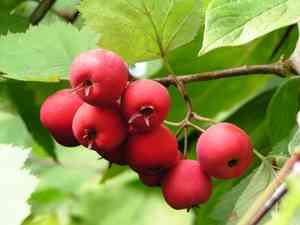
Crataegus orientalis is a deciduous woody plant recognized for its thorny limbs and appealing autumn leaves. Trim Crataegus orientalis in late winter or early spring prior to the emergence of new shoots. Concentrate on excising deceased, injured, or ailing branches to enhance air movement and avert fungal problems. Reducing dense branches also aids in shaping the plant and fosters more vigorous development. Consistent trimming improves Crataegus orientalis's general form, bloom, and fruit yield, guaranteeing a sturdy and aesthetically pleasing shrub.
What Are the Benefits of Pruning Oriental Hawthorn?
What Are the Benefits of Pruning Oriental Hawthorn?
Pruning oriental hawthorn encourages robust development and maintains its form. It boosts flowering and fruiting, manages size, enhances aesthetics, and increases resistance to pests and diseases, ensuring a healthy, well-structured plant.
What Is the Best Time for Pruning Oriental Hawthorn?
What Is the Best Time for Pruning Oriental Hawthorn?
The optimal time to prune or trim oriental hawthorn is in late winter or early spring before new growth emerges. This timing allows the plant to recover quickly as it enters its active growth phase, reducing stress and disease risk. Additionally, pruning oriental hawthorn during these seasons promotes better shape and encourages abundant flowering and fruiting in subsequent seasons.
What Tools Do I Need to Prune Oriental Hawthorn?
Bypass Pruners
Perfect for smaller branches and shoots of oriental hawthorn due to their scissor-like precision, ensuring clean cuts that facilitate quicker healing.
Loppers
Suitable for medium-sized branches of oriental hawthorn, offering increased leverage and cutting power for thicker growth without harming the plant.
Pruning Saw
Essential for cutting larger, tougher branches of oriental hawthorn that cannot be managed by pruners or loppers, ensuring a clean cut without tearing the wood.
Long-handled Shears
Useful for reaching and trimming higher or denser areas of oriental hawthorn without needing a ladder, maintaining overall plant shape and health.
Gloves
Crucial for protecting hands from the thorny branches of oriental hawthorn, ensuring safe and comfortable handling during the pruning process.
How to Prune Oriental Hawthorn
Inspect
Examine oriental hawthorn for dead or diseased branches. Thoroughly check the entire tree structure for signs of damage or illness.
Remove dead branches
Using clean, sharp pruning shears, cut away dead branches. Make the cut just above a healthy, outward-facing bud or branch junction to encourage new growth.
Remove diseased branches
For branches showing signs of disease, cut well below the affected area into healthy wood. Disinfect pruning tools between cuts to prevent disease spread.
Dispose properly
Immediately discard the removed dead and diseased branches. Do not compost these materials as they could spread pathogens.
Health assessment
After pruning, evaluate the overall health of oriental hawthorn. Ensure good air circulation and no crossing branches that might later cause damage.
Common Pruning Mistakes with Oriental Hawthorn
Over-pruning
Removing too many branches can stress oriental hawthorn, leading to poor growth and reduced flowering.
Incorrect technique
Using dull or dirty tools can result in ragged cuts that may invite disease or pests. It's vital to make clean cuts with sharp, sterilized pruning tools.
Ignoring plant structure
Failing to consider the natural shape and structure of oriental hawthorn can lead to an unbalanced appearance and weaken the plant's framework.
Topping
Cutting off the top of oriental hawthorn to control its height is a detrimental practice that can result in weak, spindly growth and poor overall health.
Common Pruning Tips for Oriental Hawthorn
Use sharp tools
Always use sharp, sterilized pruning shears or saws to make clean cuts and minimize the risk of disease.
Remove dead wood
Regularly remove any dead, damaged, or diseased wood to maintain the plant's health and appearance.
Thin crowded areas
Thinning out congested areas within the plant improves air circulation and light penetration, promoting a healthier and more productive oriental hawthorn.
Cut at angles
Make cuts at a 45-degree angle, just above a bud or side branch. This encourages new growth and helps water run off the cut surface.
Preserve main branches
Aim to retain the plant's main structural branches while selectively removing smaller or crossing branches to maintain its natural shape and vigor.



