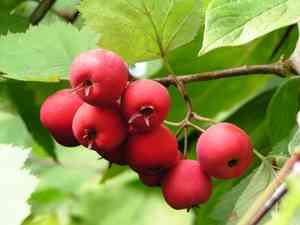
Oriental hawthorn (Crataegus orientalis)
Also known as: Oriental Hawthorn, Eastern Hawthorn
Crataegus orientalis, or oriental hawthorn, is indigenous to southeastern Europe and western Asia, specifically in areas such as Greece, Turkey, the Caucasus, Crimea, and western Iran. The fruit of this species ranges in color from orange to various shades of red. It is quite diverse, and expert Knud Ib Christensen categorizes it into four subspecies: C. orientalis subsp. orientalis, C. orientalis subsp. pojarkovae (Kossych) Byatt, which has orange fruit, C. orientalis subsp. presliana K.I.Chr., and C. orientalis subsp. szovitsii (Pojarkova) K.I.Chr.
In This Article
Attributes of Oriental hawthorn
Lifespan
Perennial
Plant Type
Tree
Plant Height
4 m
Spread
3 m
Leaf Color
Green
Flower Size
1 to 2 centimeters
Flower Color
White
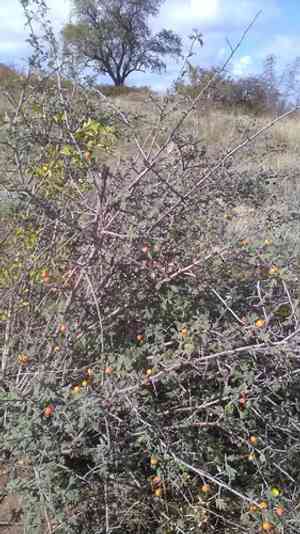
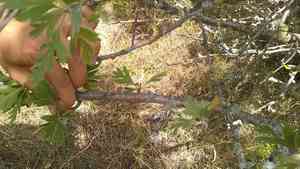
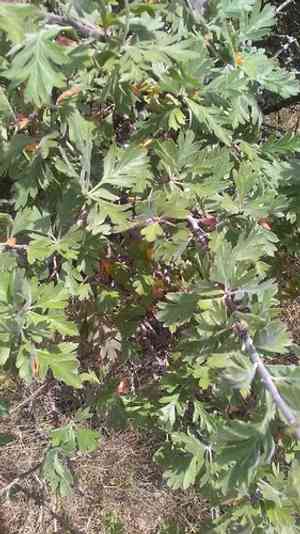
Images of Oriental hawthorn

Quickly Identify Oriental hawthorn
1
To identify Crataegus orientalis, look for its lobed leaves with a serrated edge, white or cream-colored flowers with five petals, and red to orange pomes (fruit). The bark is typically gray and may develop fissures as the plant matures.
Scientific Classification of Oriental hawthorn
Phylum
Vascular plants
Class
Dicotyledons
Order
Rosales
Family
Rose
Genus
Hawthorns
Species
Oriental hawthorn
Planting and Growing of Oriental hawthorn
Care Difficulty
Moderate
Watering Schedule
Every 2 days
Sunlight Requirements
Full sun
Sunshine Duration
6-10 hours
Ideal Temperature
60-75℉
Soil Type
Potting Mix, Peat Mix
Soil pH
6.5-7.5
Fertilizer Type
Balanced
Pruning Season
Spring, Summer
Pruning Area
Branches, Leaves
Pruning Frequency
2 times a year
Repotting Season
Spring
Pot Type
Plastic, Terracotta
 How to Water Oriental hawthorn?
Crataegus orientalis requires approximately 500 milliliters of water per session. The guiding principle for watering is to ensure the soil is moist but not soggy. Always allow the top inch of soil to dry out between waterings to prevent root rot.
What are the symptoms of an underwatered Oriental hawthorn?
›
What should I do if my Oriental hawthorn is not getting enough water?
›
What are the symptoms of an overwatered Oriental hawthorn?
›
How to save an overwatered Oriental hawthorn?
›
 What Are the Sunlight Requirements for Oriental hawthorn?
The plant prefers full to partial sun, with six to eight hours of light being ideal. Adequate lighting promotes robust growth, vibrant leaves, and prolific blooms, leveraging its full potential.
What type of environment does Crataegus orientalis thrive in?
›
How can you provide optimal sunlight for Crataegus orientalis?
›
What are the benefits of perfect lighting for Crataegus orientalis?
›
 What Is the Ideal Temperature Range for Oriental hawthorn?
Crataegus orientalis, commonly known as the Oriental Hawthorn, thrives best in temperatures ranging from 60°F to 75°F. This range provides the ideal conditions for the plant's metabolic processes, growth, and flowering. Consistent temperatures within this range ensure robust health and optimal development.
 What Soil is Best for Oriental hawthorn?
Crataegus orientalis thrives in well-drained soils. This ensures the roots have access to necessary oxygen, preventing root rot and other water-related issues. While the soil should drain well, it should also retain some moisture. This balance helps sustain the plant during dry periods without waterlogging the roots. A nutrient-rich soil promotes healthy growth, supporting the plant's development and enhancing its resistance to pests and diseases.
 How to Fertilize Oriental hawthorn?
For the Crataegus orientalis, it is important to apply fertilizers in moderation. Liquid fertilizers should be diluted to half the recommended strength as these plants prefer lighter feedings more often. Usually, 10 grams per plant is sufficient for slow-release fertilizers during application.
 How to Prune Oriental hawthorn?
To maintain a strong framework, start by cutting back the plant in early spring. Focus on shaping the plant by selectively removing crossed or crowded branches. Use sharp pruning shears to make clean cuts just above a bud or branch node. During summer, look for branches that may have died or are diseased and remove them immediately. Use sterilized tools to prevent any infection spread. Light trimming can also help maintain the desired shape without promoting excessive growth. After the flowering period in late spring or early summer, you can gently shape the plant by trimming any wayward branches. This not only keeps the plant tidy but also helps in directing energy towards the healthier parts of the plant.
More About Pruning Techniques→
 How to Propagate Oriental hawthorn plant?
1
Collect ripe seeds from Crataegus orientalis fruits and clean them thoroughly. Stratify the seeds by storing them in moist sand in the refrigerator for 3-4 months to break dormancy before sowing.
2
Select semi-hardwood cuttings in late spring. Cut the stem at a 45-degree angle, ensuring at least two nodes are present. Remove the lower leaves to minimize moisture loss.
3
For grafting, select healthy rootstock and scion. Make a slanting cut on both and join them together. Secure with grafting tape and ensure stability until grafting is successful.
 How to Repot Oriental hawthorn plant?
1
Look for signs such as roots growing out of the drainage holes or restricted growth, as these indicate it's time to repot. Crataegus orientalis prefers to be slightly root-bound, so wait until you see these signals for repotting.
2
Select a pot that is 1-2 inches larger in diameter than the current one. Ensure the pot has sufficient drainage holes to prevent waterlogging, as this tree enjoys balanced moisture and freedom from excessive root rot risks.
3
Opt for a well-draining loamy soil with sufficient organic matter. This type of soil retains enough moisture without drowning the roots, providing adequate nutrients and aeration. A mix with horticultural sand can enhance drainage capabilities.



