How to Prune Siberian pygmyweed?
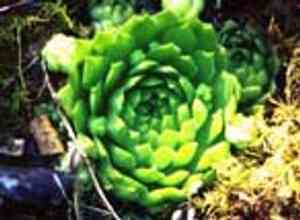
Siberian pygmyweed, recognized for its dense habit and fleshy foliage, greatly benefits from trimming. The ideal periods for pruning are from late winter through early spring, coinciding with its natural development phase. Essential methods involve excising deceased or elongated stems to foster more compact growth and preserve its form. Consistent trimming averts excessive density, boosts air movement, and elevates the plant's general well-being. Pruning additionally incites fresh development, guaranteeing a lively appearance throughout the growing period.
What Are the Benefits of Pruning Siberian Pygmyweed?
What Are the Benefits of Pruning Siberian Pygmyweed?
Siberian pygmyweed thrives with trimming, promoting robust growth and maintaining its form. Pruning helps prevent crowding, improves air circulation, and lowers the risk of pests and diseases, fostering healthier development.
What Is the Best Time for Pruning Siberian Pygmyweed?
What Is the Best Time for Pruning Siberian Pygmyweed?
Trimming or cutting siberian pygmyweed in early spring or late winter is considered ideal because this period aligns with the plant's dormant phase and the start of its active growth. Pruning during these seasons minimizes plant stress and allows for quick recovery as the growing season begins. Additionally, it encourages healthy development before siberian pygmyweed enters its blooming or fruiting stage.
What Tools Do I Need to Prune Siberian Pygmyweed?
Hand Pruners
Hand pruners are perfect for siberian pygmyweed due to their accuracy and ease of use. They are excellent for making clean cuts on small stems and enabling precise shaping and upkeep.
Pruning Shears
Pruning shears are suitable for slightly thicker branches. They offer more cutting power than hand pruners and are great for maintaining the overall shape of siberian pygmyweed.
Pruning Knife
A pruning knife can be useful for more delicate cuts and removing smaller, dried leaves. It assists in fine-tuning siberian pygmyweed without causing unnecessary harm.
Precision Scissors
Precision scissors are ideal for detailed work when caring for siberian pygmyweed. They are perfect for delicate trimming and minor adjustments.
How to Prune Siberian Pygmyweed
Inspection
Examine siberian pygmyweed for any indications of diseased or withered leaves to identify areas needing attention.
Sanitation
Ensure pruning tools are disinfected to prevent disease spread. Use rubbing alcohol or a bleach solution to clean your tools.
Pruning diseased leaves
Cut away any diseased leaves using sharp, sterilized scissors or pruning shears. Ensure cuts are clean and made just above healthy tissue to promote proper healing.
Pruning withered leaves
Remove withered leaves by gently pulling them away or cutting them close to the stem, being careful not to harm healthy parts of siberian pygmyweed.
Disposal
Properly dispose of all removed leaves to prevent disease spread. Avoid adding diseased material to compost bins.
Common Pruning Mistakes with Siberian Pygmyweed
Improper tools
Using dull or unsuitable tools can harm the plant, leading to poor healing and increased susceptibility to diseases.
Over-pruning
Removing too much of the plant at once can stress siberian pygmyweed, hindering its growth and potentially causing dieback.
Incorrect cuts
Making cuts too close to a node or leaving long stubs can result in poor regrowth or dieback at the cut site.
Pruning at wrong time
Pruning during excessively wet or extremely dry conditions can affect siberian pygmyweed's ability to heal properly and may introduce disease.
Common Pruning Tips for Siberian Pygmyweed
Sharp, clean tools
Ensure that your pruning shears or scissors are sharp and clean to make precise cuts and minimize the risk of infection.
Gradual pruning
Trim no more than one-third of the plant at a time to avoid shocking siberian pygmyweed, allowing it to recover and maintain healthy growth.
Proper cutting technique
Make cuts just above a node or branching point to encourage new growth in the desired direction.
Monitor plant health
Regularly check siberian pygmyweed for signs of disease or pest infestations, pruning any affected areas promptly to prevent spread.



