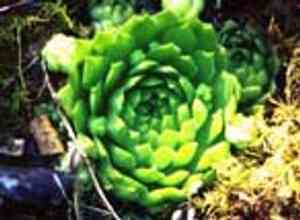
Siberian pygmyweed (Crassula sieberiana)
Also known as: Australian pigmyweed
Sedum, a resilient succulent, features thick, spoon-shaped leaves arranged in tight rosettes, making it ideal for dry conditions. This low-growing perennial often displays clusters of small white to pink flowers, providing a striking contrast to its green or gray-green leaves. Its compact nature is perfect for rock gardens or as ground cover, thriving best in well-drained soils and sunny spots.
In This Article
Attributes of Siberian pygmyweed
Lifespan
Perennial
Plant Type
Succulent, Herb
Plant Height
Up to 15 cm (6 inches)
Spread
Approximately 10 cm (4 inches)
Leaf Color
Green, sometimes with reddish edges
Flower Size
Tiny, about 0.3 cm (0.1 inches)
Flower Color
White or pinkish
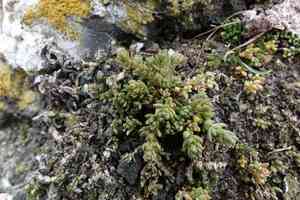
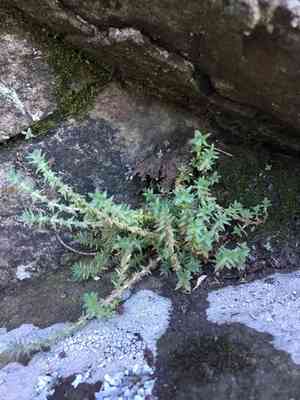
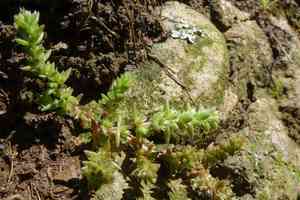
Images of Siberian pygmyweed
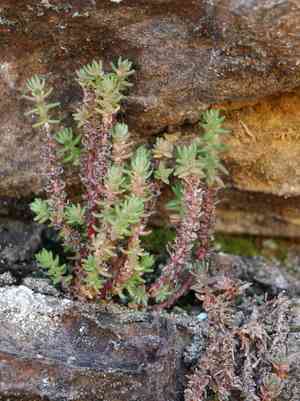
Quickly Identify Siberian pygmyweed
1
Look for small, rosette-forming succulent plants with fleshy, paddle-shaped leaves. The leaves are typically green, sometimes with a reddish tinge at the edges.
Scientific Classification of Siberian pygmyweed
Phylum
Vascular plants
Class
Dicotyledons
Order
Saxifragales
Family
Stonecrop
Genus
Crassula
Species
Siberian pygmyweed
Planting and Growing of Siberian pygmyweed
Care Difficulty
Easy
Watering Schedule
Every day
Sunlight Requirements
Partial sun
Sunshine Duration
4-8 hours
Ideal Temperature
65-75℉
Soil Type
Potting Mix, Peat Mix
Soil pH
5.5-7.5
Fertilizer Type
Balanced
Pruning Season
Spring, Summer
Pruning Area
Branches, Leaves
Pruning Frequency
2 times a year
Repotting Season
Spring
Pot Type
Plastic, Ceramic
 How to Water Siberian pygmyweed?
Crassula sieberiana appreciates a careful watering routine. Ensure the soil is completely dry before you indulge the plant. It does well with about 100 ml of water per session. Use your finger to check the top 2 inches of soil; if dry, it’s time to water.
What are the symptoms of an underwatered Siberian pygmyweed?
›
What should I do if my Siberian pygmyweed is not getting enough water?
›
What are the symptoms of an overwatered Siberian pygmyweed?
›
How to save an overwatered Siberian pygmyweed?
›
 What Are the Sunlight Requirements for Siberian pygmyweed?
Crassula sieberiana thrives with partial sun exposure. This light range aids in maintaining structural integrity, promotes vibrant colors, and ensures strong and healthy growth patterns.
What is the ideal location for Crassula sieberiana?
›
How can I adjust light conditions indoors?
›
What are the benefits of ideal lighting?
›
 What Is the Ideal Temperature Range for Siberian pygmyweed?
Crassula sieberiana grows best in temperatures between 65°F and 75°F. This range provides the warmth necessary for optimal metabolic processes, while preventing heat-induced stress. Maintaining this temperature range ensures that the plant retains moisture effectively, supports photosynthesis, and facilitates healthy root development.
 What Soil is Best for Siberian pygmyweed?
Crassula sieberiana thrives in well-draining soil that prevents water from pooling around its roots. This helps to mimic its natural habitat and prevents root rot, encouraging healthy growth and vibrant foliage. The plant prefers soil with moderate nutrient content. Avoid overly rich or heavy soils, as they might lead to excessive moisture retention and poor aeration, which can hinder its development. Maintaining a slightly acidic to neutral pH range between 5.5 and 7.5 is ideal for Crassula sieberiana. This pH allows for optimal nutrient availability and supports the plant's metabolic processes.
 How to Fertilize Siberian pygmyweed?
Crassula sieberiana, like its succulent relatives, does not demand heavy fertilization. For liquid fertilizers, use a balanced 10-10-10 NPK fertilizer diluted to half its strength. Typically, about 1/4 teaspoon per gallon of water is sufficient during the growing season.
 How to Prune Siberian pygmyweed?
Look for leggy, overgrown stems, or any damaged, yellowing leaves. Focus on shaping the plant while removing no more than one-third of its foliage at a time. Make clean cuts just above a leaf node or main branch. This encourages branches to grow stronger and maintain a compact form. Avoid tearing or damaging the remaining foliage.
More About Pruning Techniques→
 How to Propagate Siberian pygmyweed plant?
1
Choose healthy, disease-free stems with several leaves for successful cutting propagation. Cut just below a node using clean pruning shears, ensuring a length of about 3-4 inches.
2
Remove the lower leaves from the stem cutting to prevent them from rotting and dip the cut end in a rooting hormone to enhance root development and reduce the risk of disease.
3
Place the cutting in a pot filled with well-draining succulent soil. Ensure that at least one node is buried in the soil, as this is where root growth will initiate.
 How to Repot Siberian pygmyweed plant?
1
You should consider repotting Crassula sieberiana when you notice roots growing out from drainage holes or when the plant appears stunted. These are clear indicators that it needs more space to grow. Repotting should ideally be done during the growing season for the best adaptation.
2
Select a pot that is one size larger than the current one, with ample drainage holes. A terracotta pot is ideal as it allows excess moisture to evaporate, preventing root rot, which is crucial for a succulent like Crassula sieberiana.
3
Opt for a well-draining cactus mix, which prevents water retention and provides excellent aeration. This kind of soil mimics Crassula sieberiana's natural habitat, supporting robust growth and reducing risks of overwatering.



