How to Prune Spiral ginger?
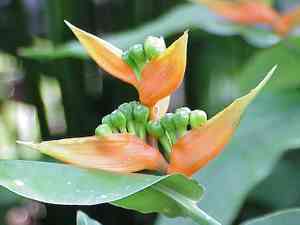
Distinguished by its remarkable helical growth and vivid leaves, spiral ginger thrives with trimming in the initial part of spring or the latter portion of winter. Cut away aged or compromised stalks to stimulate fresh development and preserve its distinctive form. Consistent reduction prevents excessive density, boosts air movement, and elevates general well-being. These methods aid in sustaining vitality, fostering flowering, and managing dimensions, rendering spiral ginger an appealing and expertly cared-for inclusion in any landscape.
What Are the Benefits of Pruning Spiral Ginger?
What Are the Benefits of Pruning Spiral Ginger?
Spiral ginger thrives with trimming, promoting vigorous growth and maintaining its form. Pruning stimulates healthy development, boosts blooming, manages size, and enhances appearance. Furthermore, it aids in preventing pests and illnesses, ensuring the plant stays strong and vibrant.
What Is the Best Time for Pruning Spiral Ginger?
What Is the Best Time for Pruning Spiral Ginger?
Trimming spiral ginger from late winter to early spring aligns with its natural dormant phase, reducing stress and fostering healthy development. This timing is ideal as it allows the plant to focus energy on producing new shoots and leaves as the growing season commences. Additionally, pruning before new growth emerges lowers the risk of disease spread and provides ample time for the plant to recuperate and flourish during its active growth and flowering periods in spring and summer.
What Tools Do I Need to Prune Spiral Ginger?
Bypass Pruners
Perfect for cleanly severing live, green stems without crushing plant tissue. Essential for handling the soft, fleshy stems of spiral ginger.
Anvil Pruners
Useful for cutting thicker, tougher stems. The anvil design offers extra leverage, simplifying cuts through denser parts of spiral ginger.
Pruning Saw
Specifically for thicker, woody stems that pruners cannot manage. Necessary for older, more established sections of spiral ginger.
Shears
Beneficial for shaping and maintaining the overall form of spiral ginger, allowing for precise cuts and trims.
Sterilizing Solution
Crucial for sanitizing tools between cuts to prevent disease transmission, ensuring the health of spiral ginger.
How to Prune Spiral Ginger
Inspect
Thoroughly examine spiral ginger to identify any diseased or withered leaves. Look for discoloration, spots, and dryness.
Tools
Ensure your pruning shears or scissors are clean and sharp to make precise cuts and prevent the spread of disease.
Remove Diseased
Using your clean tools, trim away any diseased leaves at their base where they connect to the stem. Dispose of these leaves separately to avoid contaminating healthy parts.
Remove Withered
Trim any withered leaves by cutting them near the stem junction. This will encourage new growth and healthier foliage.
Disposal
Properly dispose of all trimmed leaves to minimize disease spread and deter pests. Composting diseased leaves is not recommended.
Common Pruning Mistakes with Spiral Ginger
Over-pruning
Removing too much of the plant at once can cause stress and inhibit growth, making it difficult for spiral ginger to recover.
Improper technique
Using dull or inappropriate tools can cause jagged cuts, leading to a higher risk of disease and pest infestation.
Wrong timing
Pruning at the wrong time can disrupt the plant's natural growth cycle, negatively impacting flowering and overall health.
Cutting too close to the stem
Making cuts too close to the main stem can damage the plant's structural integrity, increasing the chance of infection.
Common Pruning Tips for Spiral Ginger
Use sharp tools
Always use clean, sharp pruning shears to make clean cuts, which helps the plant heal faster and reduces the risk of disease.
Be selective
Focus on removing dead, diseased, or damaged stems rather than large sections of healthy growth to maintain the plant's overall health and shape.
Angle your cuts
Make cuts at a slight angle to allow water to run off and help prevent rot or fungal infections.
Thin out congested areas
Remove any overcrowded branches to improve air circulation and light penetration, encouraging more robust flowering and reducing pest problems.



