How to Prune Carbeen?
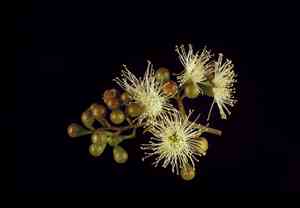
Carbeen, a resilient tree known for its unique checkered bark, thrives with thoughtful trimming. The best periods for pruning are late winter or early spring, coinciding with the start of its active growth phase. Concentrate on eliminating deceased or compromised limbs to encourage vigorous development and sculpt the crown. Make sure all cuts are precise to deter illness. Consistent trimming also improves light exposure and air movement, which are crucial for lush leaves. Emphasize well-being and structural soundness for a strong aesthetic.
Advantages of Trimming Carbeen
Advantages of Trimming Carbeen
Carbeen benefits from trimming by encouraging robust development and maintaining its form. Pruning aids in fostering vigorous growth, enhancing resistance to pests and diseases, and ensuring a well-structured, visually appealing look. Regular trimming promotes a strong and flourishing plant.
Optimal Period for Pruning Carbeen
Optimal Period for Pruning Carbeen
Trimming Carbeen in early spring or late winter is advised as it aligns with the plant's natural growth cycle. During these times, the plant is either dormant or just emerging from dormancy, which minimizes stress and promotes healthy new growth. Additionally, pruning at these periods avoids interfering with the plant's flowering or fruiting phases, ensuring better overall health and productivity. Adhering to this schedule also helps reduce the risk of pest infestations and diseases, which are less active in colder months.
Tools Required for Pruning Carbeen
Bypass Pruners
Perfect for making clean cuts on live branches up to 1 inch in diameter, crucial for precise pruning and minimal harm.
Loppers
Useful for cutting thicker branches (1 to 2 inches in diameter). The extended handles provide additional leverage for difficult cuts.
Hand Saw
Essential for branches exceeding 2 inches. A curved, coarse-blade saw is effective for making larger cuts with little effort.
Pole Pruner
Enables gardeners to safely reach and cut higher branches without a ladder. Good for managing height and shape.
Pruning Shears
Suitable for lighter trimming and shaping. Vital for detailed work on smaller branches and twigs.
Protective Gear (Gloves and Safety Glasses)
Important for safety during pruning to prevent injuries from sharp tools and falling debris.
Disinfectant Solution
Used to sanitize tools before and after pruning to prevent the spread of disease.
How to Prune Carbeen
Inspection
Examine Carbeen for any dead or diseased branches. This involves checking the entire tree, from top to bottom, to identify areas needing attention.
Sanitization
Clean and disinfect pruning tools using a solution of one part bleach to nine parts water or rubbing alcohol to prevent disease transmission.
Removal of Dead Branches
Cut dead branches back to a healthy part of the tree. Ensure clean cuts without leaving stubs, which can encourage disease. Use a handsaw or pruning shears for precise cutting.
Removal of Diseased Branches
Cut away diseased branches by trimming below the visible signs of disease, ensuring at least 6â12 inches into healthy tissue. Dispose of these branches properly to prevent pathogen spread.
Final Check
Inspect Carbeen one more time to ensure no other problematic branches have been missed. This also helps verify that the cuts made are clean and proper, ensuring healthy regrowth.
Common Pruning Errors with Carbeen
Over-pruning
Removing too many branches or too much foliage at once can stress Carbeen, leading to poor growth and reduced health.
Incorrect cutting technique
Using dull or inappropriate tools can cause jagged cuts, which are more prone to infection and slower to heal.
Pruning at the wrong time
Although we are not discussing the best season, pruning during highly unsuitable times can disrupt the natural growth cycle.
Ignoring tree structure
Failing to consider the natural shape and growth pattern can result in an unsightly and structurally compromised tree.
Neglecting sanitation
Using unsterilized pruning tools may introduce diseases, which can be particularly harmful to Carbeen.
General Pruning Advice for Carbeen
Proper tool maintenance
Ensure your pruning tools are sharp and clean before use to make smooth cuts that heal quickly.
Strategic pruning
Focus on removing dead, diseased, or damaged branches to maintain overall health and appearance.
Light pruning
Instead of heavy pruning sessions, perform light pruning periodically to gently shape the tree and promote healthy growth.
Considering tree's natural form
Aim to enhance the tree's natural form by thinning out crowded areas and allowing light and air to penetrate the canopy.
Sanitizing tools
Regularly clean and disinfect pruning tools to prevent the spread of diseases.



