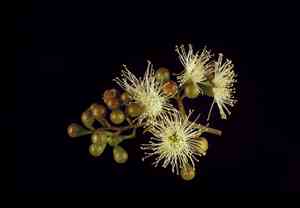
Carbeen(Corymbia tessellaris)

Carbeen (Corymbia tessellaris)

Also known as: tallowwood, red spotted gum

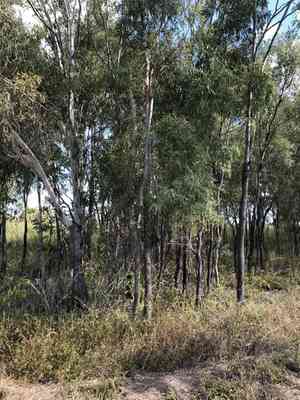
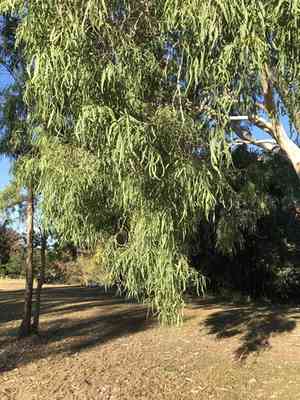
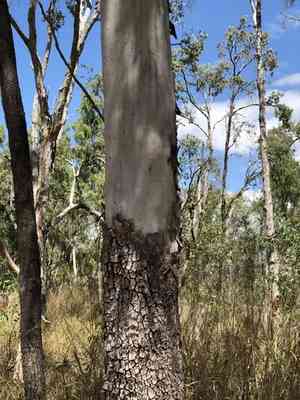
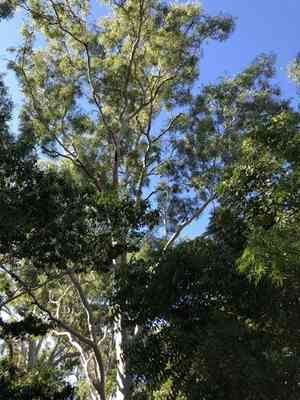
The carbeen tree, or Corymbia tessellaris, stands out in Australian woodlands and savannas due to its distinctive features and adaptations. Its bark peels in checkered patterns, creating a unique mosaic look that helps protect against fire and pests. This medium to tall tree boasts a canopy of narrow, blue-green leaves designed to reduce water loss, an essential trait for survival in arid conditions.

The carbeen produces clusters of white flowers, which attract pollinators like bees and birds, aiding in reproduction. Its deep root system enables it to tap into groundwater, providing resilience during droughts. Overall, the carbeen tree exemplifies the unique adaptations and enduring beauty of Australian flora.

Attributes of Carbeen

Lifespan
Perennial
Plant Type
Tree
Plant Height
10-35 meters
Spread
5-7 meters
Leaf Color
Dark green
Flower Size
10-15 millimeters
Flower Color
White to cream

ForwardPlant - Identify plants with a snap

Identify and diagnose plants, get toxicity alerts, and explore safety guides for all types of fungi.

Try for Free

Images of Carbeen

Carbeen(Corymbia tessellaris)

Quickly Identify Carbeen

1
Identify Corymbia tessellaris by its rough, tessellated bark, which gives a checkered appearance. The lance-shaped leaves, and its white to cream-colored flowers, which appear in clusters, are other distinguishing features.

Scientific Classification of Carbeen

Phylum
Vascular plants
Class
Dicotyledons
Order
Myrtales
Family
Myrtle
Genus
Corymbia
Species
Carbeen

Planting and Growing of Carbeen

Care Difficulty
Moderate
Watering Schedule
Every 2 days
Sunlight Requirements
Full sun
Sunshine Duration
6-8 hours
Ideal Temperature
68-77℉
Soil Type
Potting Mix, Peat Mix
Soil pH
6.5-7.5
Fertilizer Type
Balanced
Pruning Season
Spring, Summer
Pruning Area
Branches, Leaves
Pruning Frequency
2 times a year
Repotting Season
Spring
Pot Type
Plastic, Ceramic

water icon How to Water Carbeen?

Corymbia tessellaris prefers deep watering that allows moisture to penetrate the root system thoroughly. Ensure the soil is soaked but avoid excess water pooling at the base. Watering should be sufficient to maintain a moderate soil moisture level without oversaturation.
What are the symptoms of an underwatered Carbeen?
What should I do if my Carbeen is not getting enough water?
What are the symptoms of an overwatered Carbeen?
How to save an overwatered Carbeen?

sunlight icon What Are the Sunlight Requirements for Carbeen?

Sunlight Requirements: Full sun
Duration of light: 6-8 hours daily
This plant thrives best under full sun conditions where it can receive about six to eight hours of sunlight. Supplying ample sunlight ensures lush growth and robust health, which is crucial for its eco-aesthetic presence.
How much sunlight does Corymbia tessellaris need?
What if my plant is not getting enough sunlight?
What are the benefits of providing ideal sunlight?

temperature icon What Is the Ideal Temperature Range for Carbeen?

Ideal Temperature: 68 ~ 77℉
The ideal temperature range for cultivating Corymbia tessellaris is between 68°F and 77°F. This temperature range ensures optimal growth and development. Maintaining consistent conditions within this bracket helps the plant establish a healthy root system and promotes vibrant foliage. Deviations from this range can slow growth and affect overall plant health.

soil icon What Soil is Best for Carbeen?

Soil type: Sandy soil, Sandy loam
Soil PH: 6.5 ~ 7.5
Corymbia tessellaris thrives in well-drained soils that prevent waterlogging, essential for its deep root systems. This enhances the plant's growth and helps avoid root rot problems. The tree benefits from nutrient-rich soil, ensuring robust growth and vibrant foliage. Organic matter and appropriate fertilizers can significantly improve the soil's fertility, promoting a healthy tree. Soil capable of moderate moisture retention is ideal, ensuring that the plant receives consistent moisture without getting too soggy. This balances the plant's hydration needs, helping it withstand dry spells.

fertilize icon How to Fertilize Carbeen?

Fertilizer type: Balanced
For Corymbia tessellaris, it's essential to apply fertilizers judiciously. An appropriate amount would be about 500 grams of a balanced 10-10-10 NPK fertilizer for a mature tree per application, ensuring not to overwhelm the root system. This precise amount supports healthy growth without risking nutrient burn.

prune icon How to Prune Carbeen?

Pruning Time: Spring, Autumn
Start by removing any dead or diseased wood. Cut back branches to a healthy node or main limb. Focus on maintaining the tree’s natural shape and avoid excessive cutting. For young C. tessellaris, prune to establish a strong central leader and remove any competing leaders. This will promote a balanced and healthy growth pattern. More About Pruning Techniques

propagate icon How to Propagate Carbeen plant?

Propagate Time: Early summer, Late summer
1
Collect mature seeds from Corymbia tessellaris during the late summer. Clean and dry the seeds thoroughly to prevent mold during storage. Store them in a cool, dry place until ready for planting.
2
Fill seed trays with a sterile potting mix. Scatter the seeds thinly over the surface and cover them with a thin layer of the potting mix. Water the tray gently to settle the seeds in place.
3
Place the seed tray in a warm, bright location but out of direct sunlight. Maintain consistent soil moisture by misting the tray regularly, ensuring that it doesn't dry out.
More About Propagating Techniques

repot icon How to Repot Carbeen plant?

Repotting frequency: Every 2-3 years
1
Monitor for roots poking out from the pot's drainage holes or when water sits on the surface for too long. These are signs that Corymbia tessellaris needs a new pot. Spring and Summer are ideal times as the plant actively grows and quickly adapts to new conditions.
2
Select a pot with good drainage to prevent waterlogging, which can lead to root rot. Opt for a size 2-3 inches larger in diameter than the current pot, allowing room for root expansion without excessive space that can retain moisture.
3
Choose well-draining loam soil to provide a balanced mix of organic matter and minerals. This helps retain essential nutrients while promoting efficient drainage, allowing the roots to breathe and preventing compaction and moisture retention.

ForwardPlant - Identify plants with a snap

Find the best spots for them to optimize their health, simply using your phone.

Try for Free