How to Prune Fewflower fumewort?
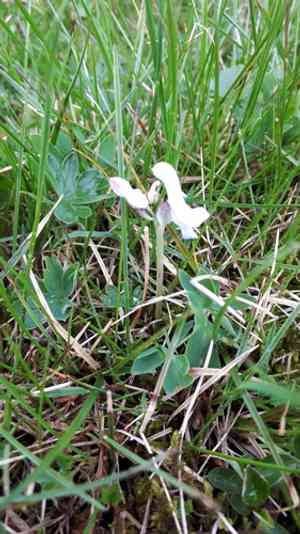
Corydalis solida, recognized for its dainty, sparsely-flowered groupings and frond-like leaves, flourishes when pruned in early spring or late winter. Snip off any lifeless or ailing stalks to improve air circulation and excise faded blossoms to encourage fresh development. Shorten elongated stems to foster a more compact form. Consistent trimming leads to more robust plants and more abundant flowering. Always employ sharp, disinfected implements to prevent the transmission of pathogens. Consult reliable gardening resources to guarantee accurate techniques for Corydalis solida.
What Are the Benefits of Pruning Fewflower Fumewort?
What Are the Benefits of Pruning Fewflower Fumewort?
Trimming fewflower fumewort encourages robust development, maintains its form, and improves its overall look. It aids in managing the plant's size, preventing pest and illness problems, and stimulating healthier leaves and blossoms.
What Is the Best Time for Pruning Fewflower Fumewort?
What Is the Best Time for Pruning Fewflower Fumewort?
Pruning fewflower fumewort in early spring or late winter is ideal as it aligns with the plant's natural growth cycle. During these periods, fewflower fumewort is typically in a dormant or less active state. Pruning during dormancy helps minimize stress on the plant, as new growth has not yet begun. This timing also reduces the risk of disease transmission and pest infestation, which are more prevalent in warmer months. Furthermore, trimming fewflower fumewort before the growing season allows the plant to direct its energy into producing healthy new shoots and flowers, leading to a more vigorous and attractive plant during its active growth phase.
What Tools Do I Need to Prune Fewflower Fumewort?
Hand Pruners
Perfect for precise, clean cuts on smaller stems. Excellent for fewflower fumewort's delicate growth.
Pruning Scissors
Ideal for minor trimming and detailed work, ensuring minimal harm to fewflower fumewort's foliage.
Bypass Pruners
Useful for slightly thicker stems. They provide a clean cut, reducing the risk of disease.
How to Prune Fewflower Fumewort
Identify
Examine fewflower fumewort thoroughly to locate any diseased or withered leaves. Pay close attention to areas where leaves show signs of discoloration, spots, or damage.
Sanitize
Clean your pruning shears with a solution of one part bleach to nine parts water, or use an alcohol-based sanitizer to prevent the spread of disease.
Cut
Gently trim the diseased leaves by making a clean, angled cut at the base of the leaf stem. This ensures that the plant can heal properly and minimizes the risk of fungal infections.
Remove
Carefully remove withered leaves by cutting them at their base as close to the main stem as possible without damaging healthy parts of fewflower fumewort.
Dispose
Dispose of all pruned material by placing it in a sealed bag and discarding it away from your garden to prevent any potential spread of disease.
Common Pruning Mistakes with Fewflower Fumewort
Over-pruning
Removes too much foliage, weakening the plant and reducing its capacity to photosynthesize.
Incorrect Cutting Technique
Making jagged or uneven cuts can damage stems and leave the plant susceptible to pests and diseases.
Pruning at the Wrong Growth Stage
Trimming at the wrong times can remove flower buds, resulting in fewer blooms.
Using Unsanitized Tools
Using dirty or rusty tools can introduce infections to the plant, hindering its overall health.
Common Pruning Tips for Fewflower Fumewort
Moderate Pruning
Trim sparingly, focusing on removing dead or diseased stems to maintain plant health.
Clean, Sharp Tools
Always use clean and sharp pruning shears to make smooth, precise cuts that heal quickly.
Angle Cuts
Make cuts at a slight angle to prevent water from accumulating on the cut surface, which can cause rot.
Monitor Growth
Regularly assess the plant's shape and health to determine if spot pruning is needed rather than extensive trimming.



